“Do not spoil what you have by desiring what you have not; remember that what you now have was once among the things you only hoped for.”
Epicurus
 quolira
.com
quolira
quolira.com
The quote argues that the habit of wanting more is the real obstacle to contentment, not the smallness of what one has. If a person cannot find satisfaction in modest circumstances, they will not find it in grander ones either, because the restless appetite for more simply scales upward with whatever is acquired. True satisfaction requires a kind of internal settlement, a decision to find enough in what is already present rather than treating every level of comfort as a stepping stone to something better.
This line is drawn from the Vatican Sayings, a collection of short maxims attributed to Epicurus and other members of his school, preserved in a Vatican manuscript. The sayings are generally brief and pointed, designed to be memorized and returned to as practical guides to living. This particular maxim fits neatly into the Epicurean emphasis on limiting desires rather than endlessly expanding them, a discipline Epicurus saw as the foundation of a peaceful and genuinely enjoyable life.
Epicurus was a Greek philosopher of the Hellenistic period who founded one of the most influential philosophical communities of the ancient world. He taught that pleasure, understood as the absence of pain and anxiety rather than indulgence, was the highest good. His school welcomed people from diverse backgrounds, which was unusual for the time. Although he reportedly wrote hundreds of works, almost all have been lost, and his ideas now survive mainly through letters, sayings, and the writings of later thinkers who engaged with his philosophy.
“Do not spoil what you have by desiring what you have not; remember that what you now have was once among the things you only hoped for.”
Epicurus
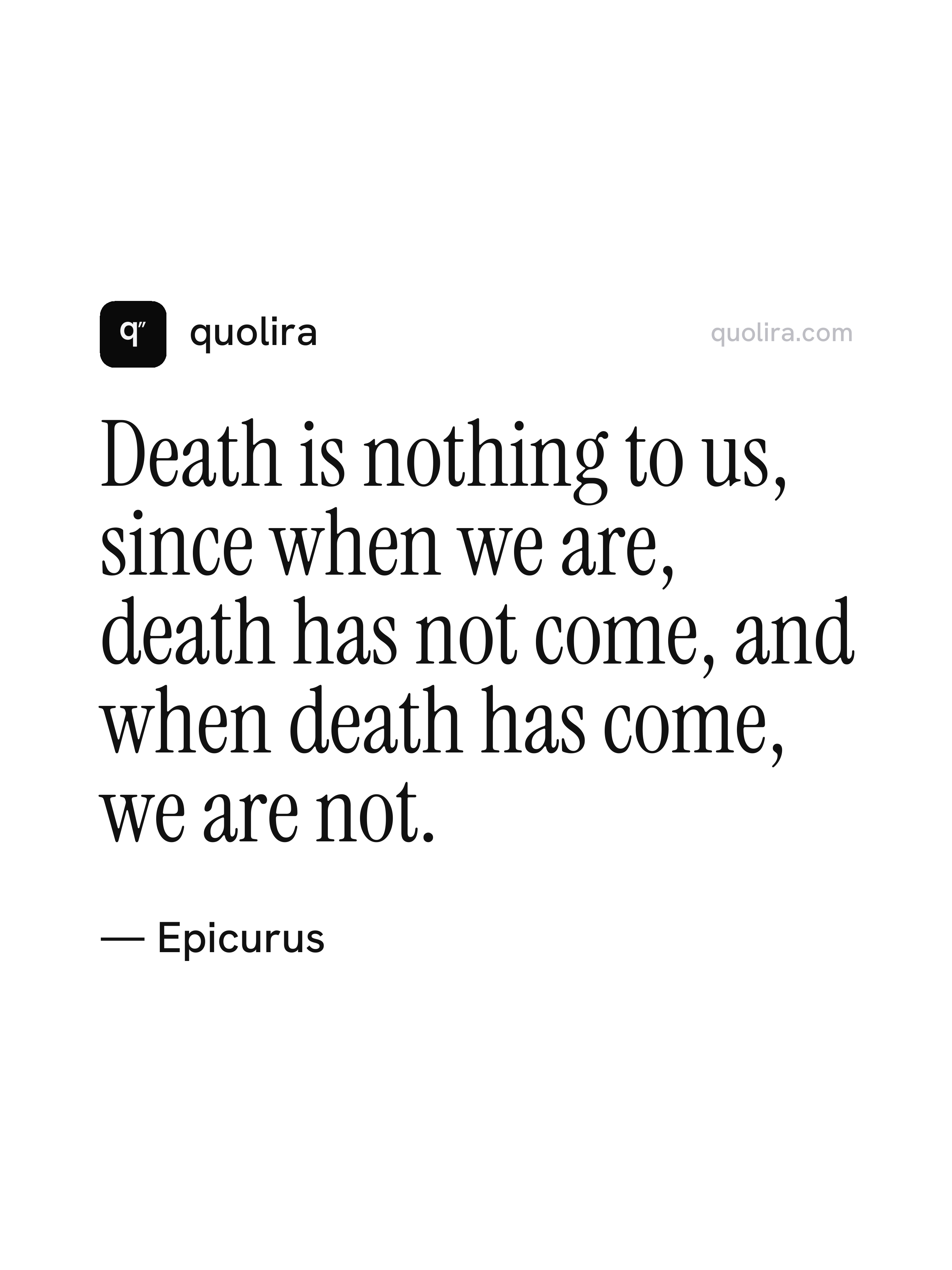
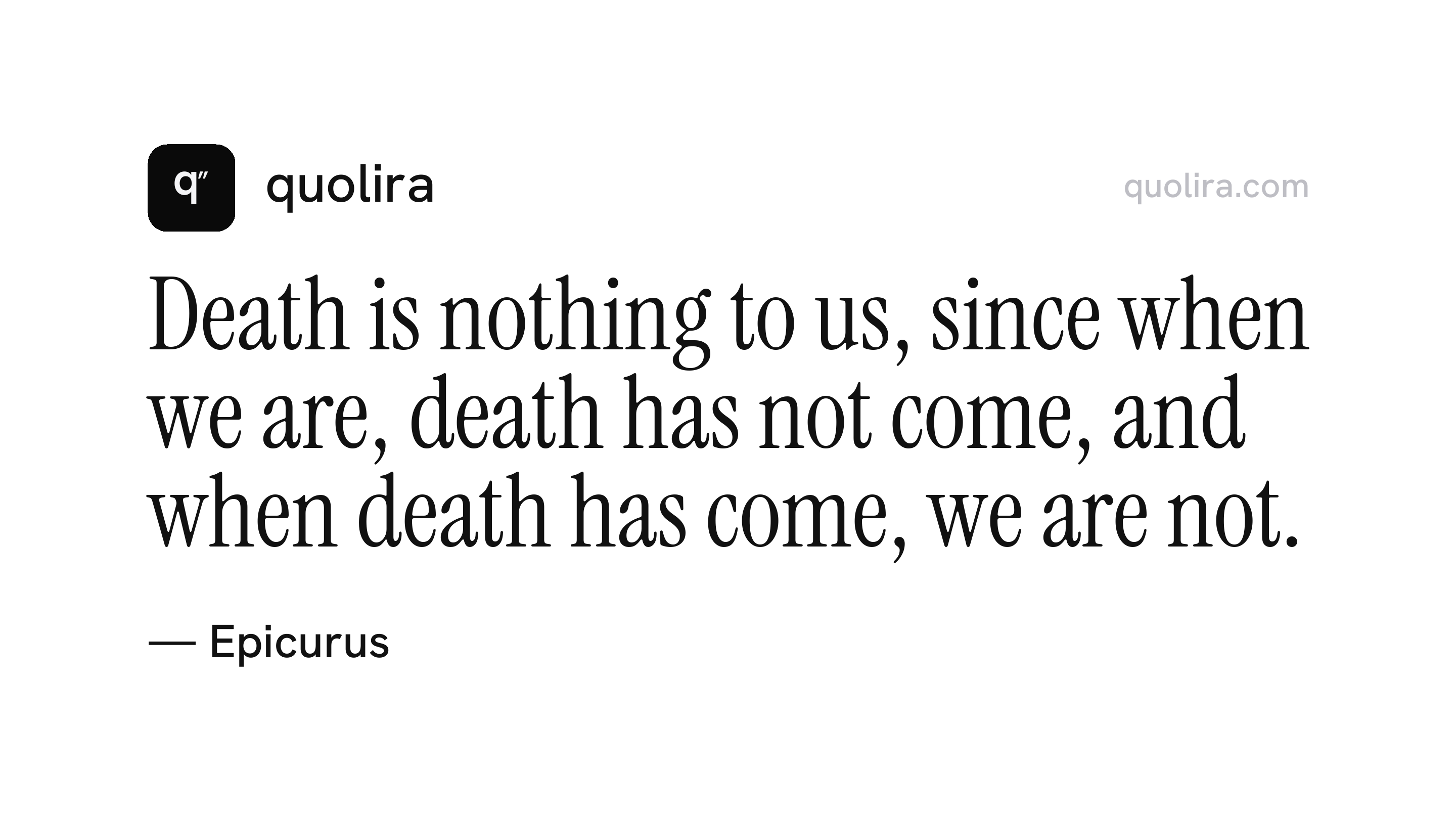
“Death is nothing to us, since when we are, death has not come, and when death has come, we are not.”
Epicurus · Letter to Menoeceus
“Enlightenment ideals are timeless, but their realization at any moment is the strenuous achievement of nations.”
Steven Pinker · Enlightenment Now, 2018
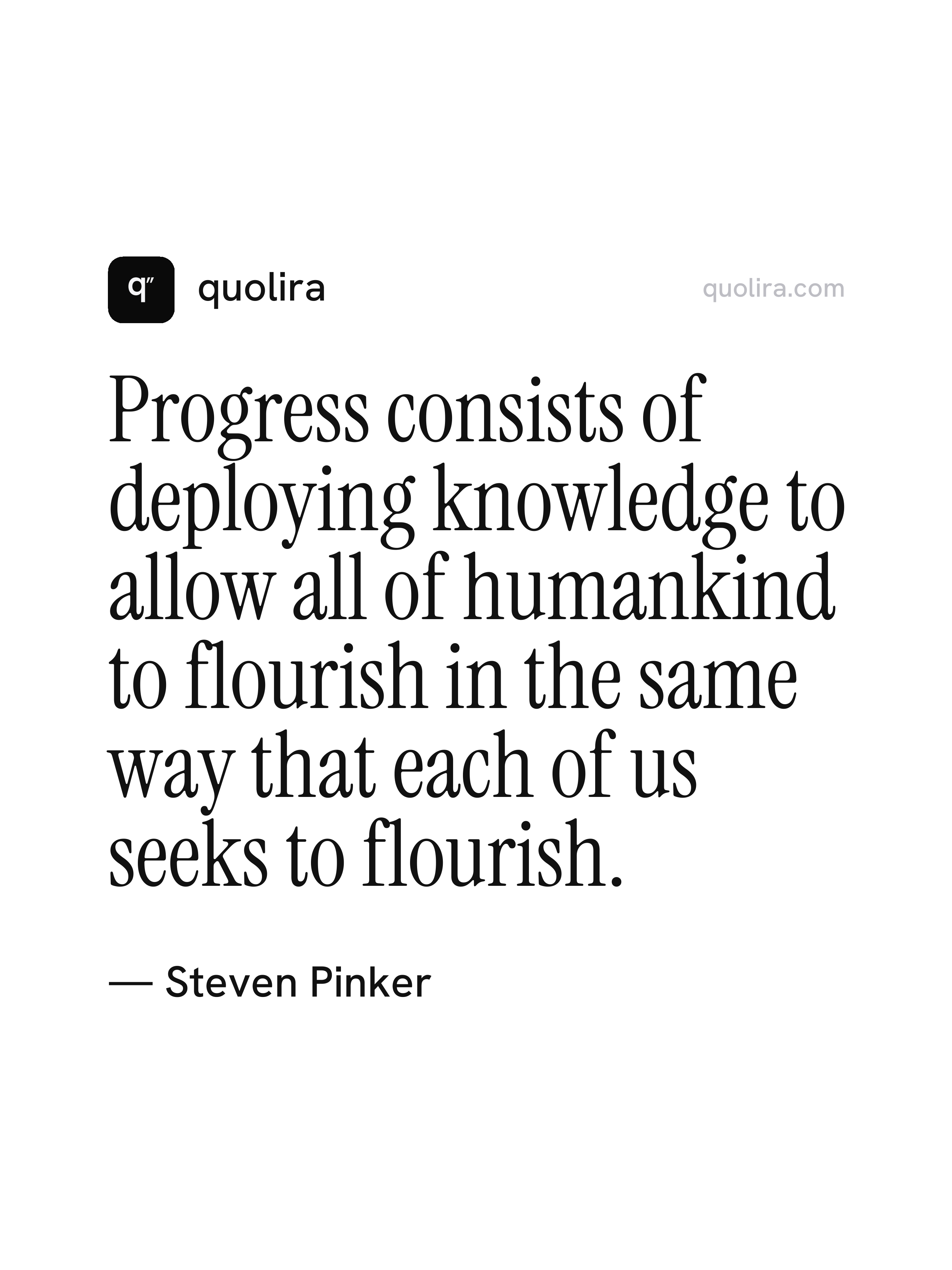
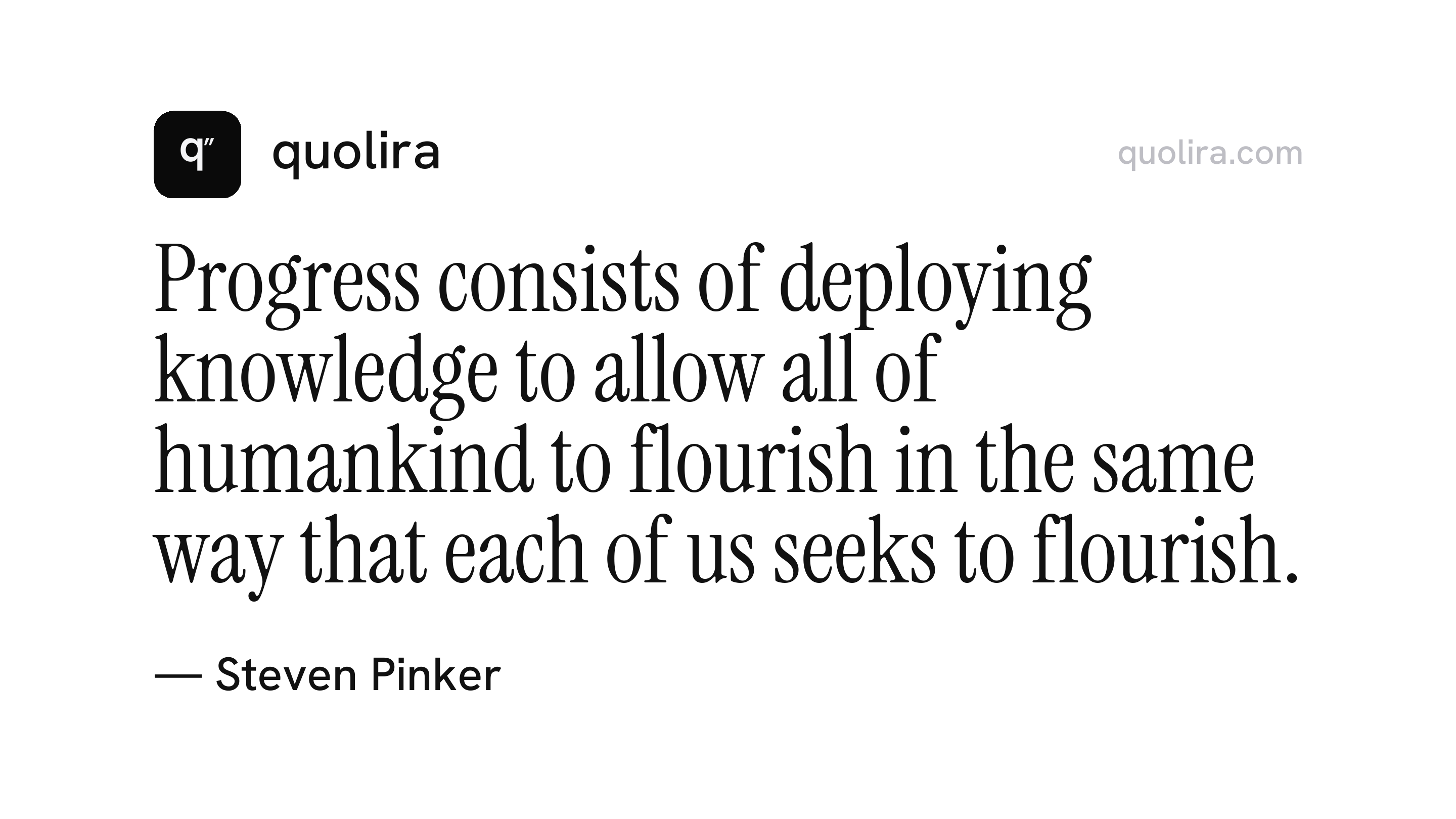
“Progress consists of deploying knowledge to allow all of humankind to flourish in the same way that each of us seeks to flourish.”
Steven Pinker · Enlightenment Now, 2018
“Pessimism is so reflexively expected of an intellectual that the way to flaunt your sophistication is to wear a long face.”
Steven Pinker · Enlightenment Now, 2018
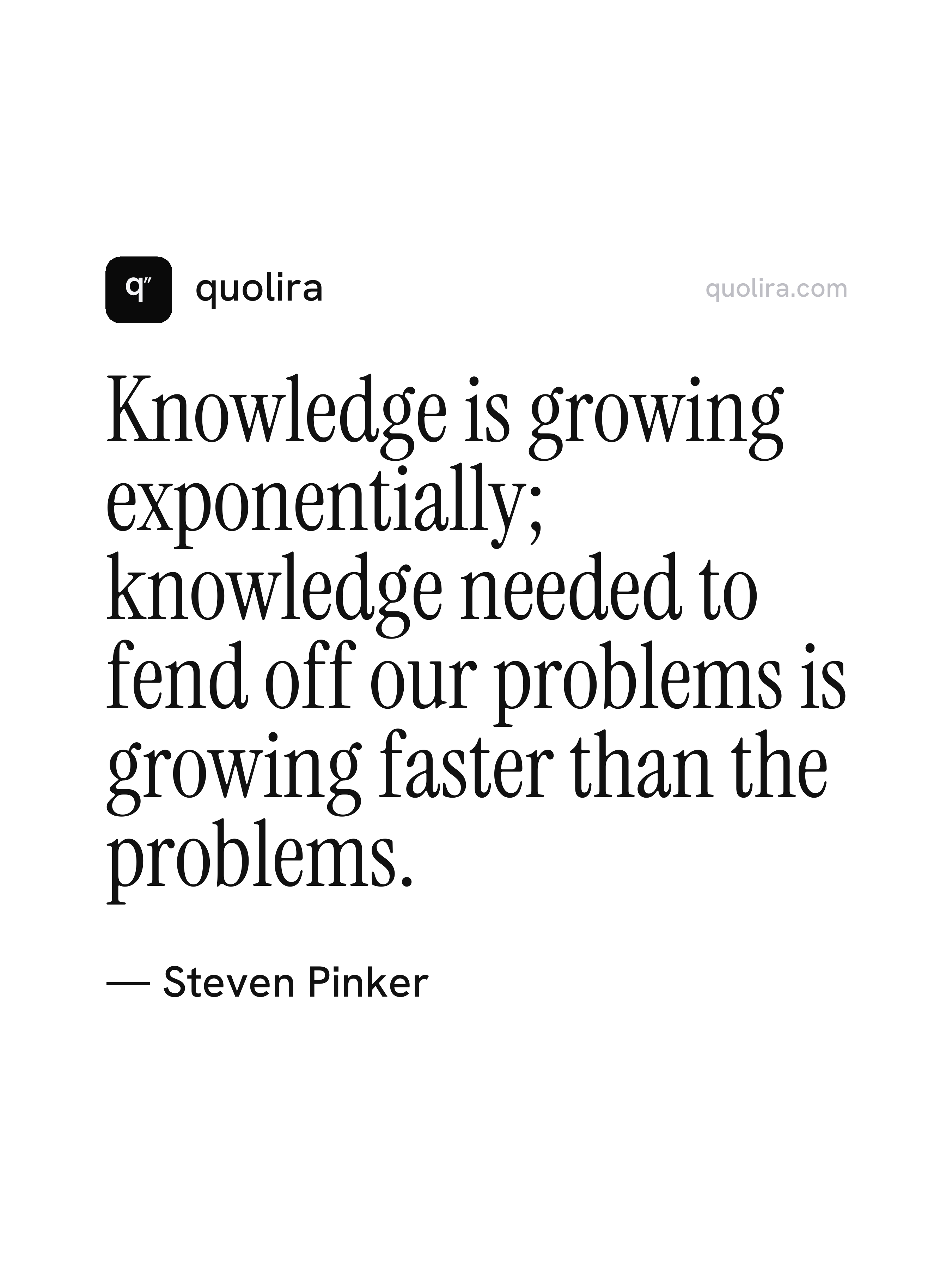
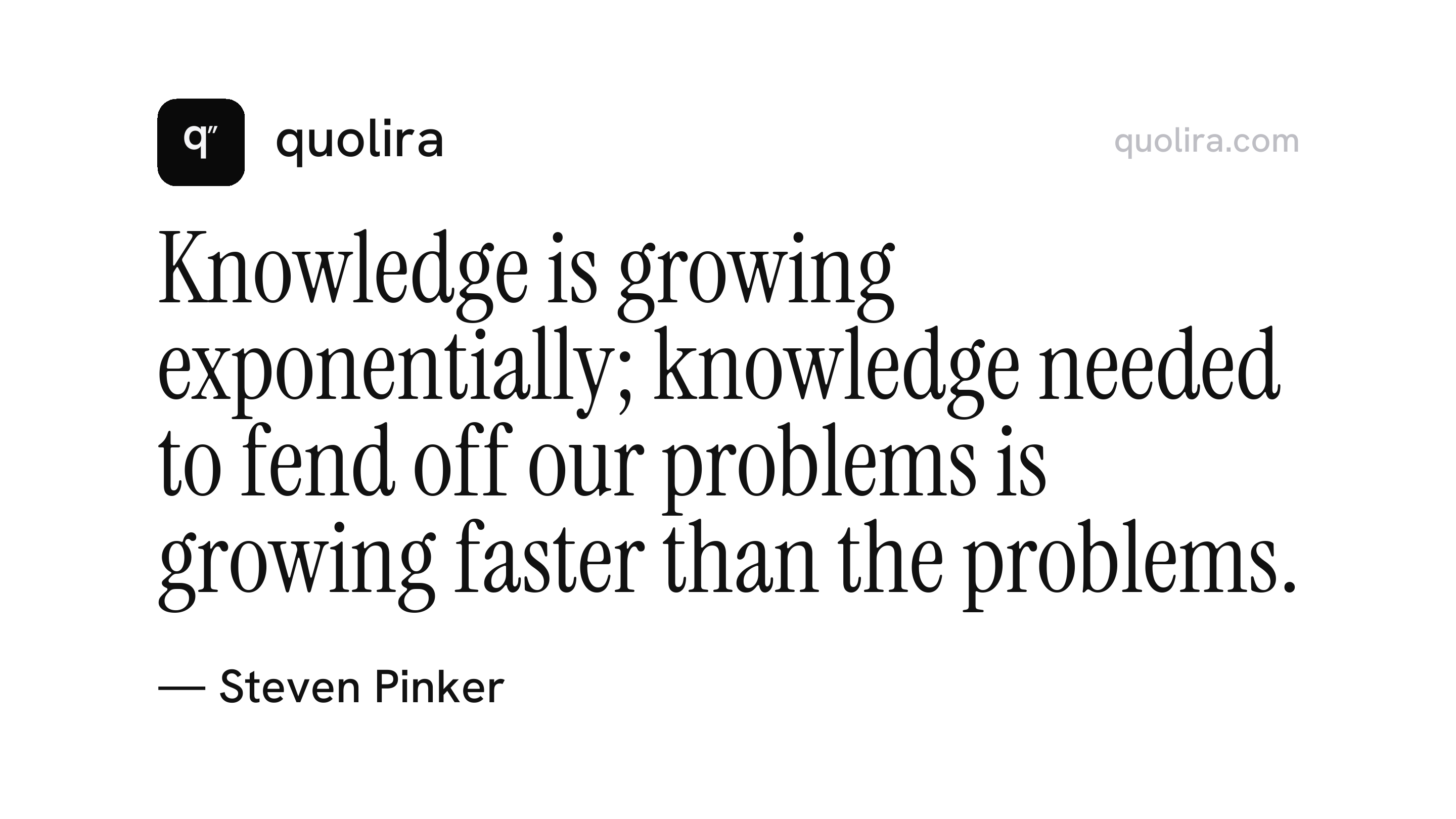
“Knowledge is growing exponentially; knowledge needed to fend off our problems is growing faster than the problems.”
Steven Pinker · Enlightenment Now, 2018
“Poverty has a thousand causes, but wealth has only one.”
Steven Pinker · Enlightenment Now, 2018
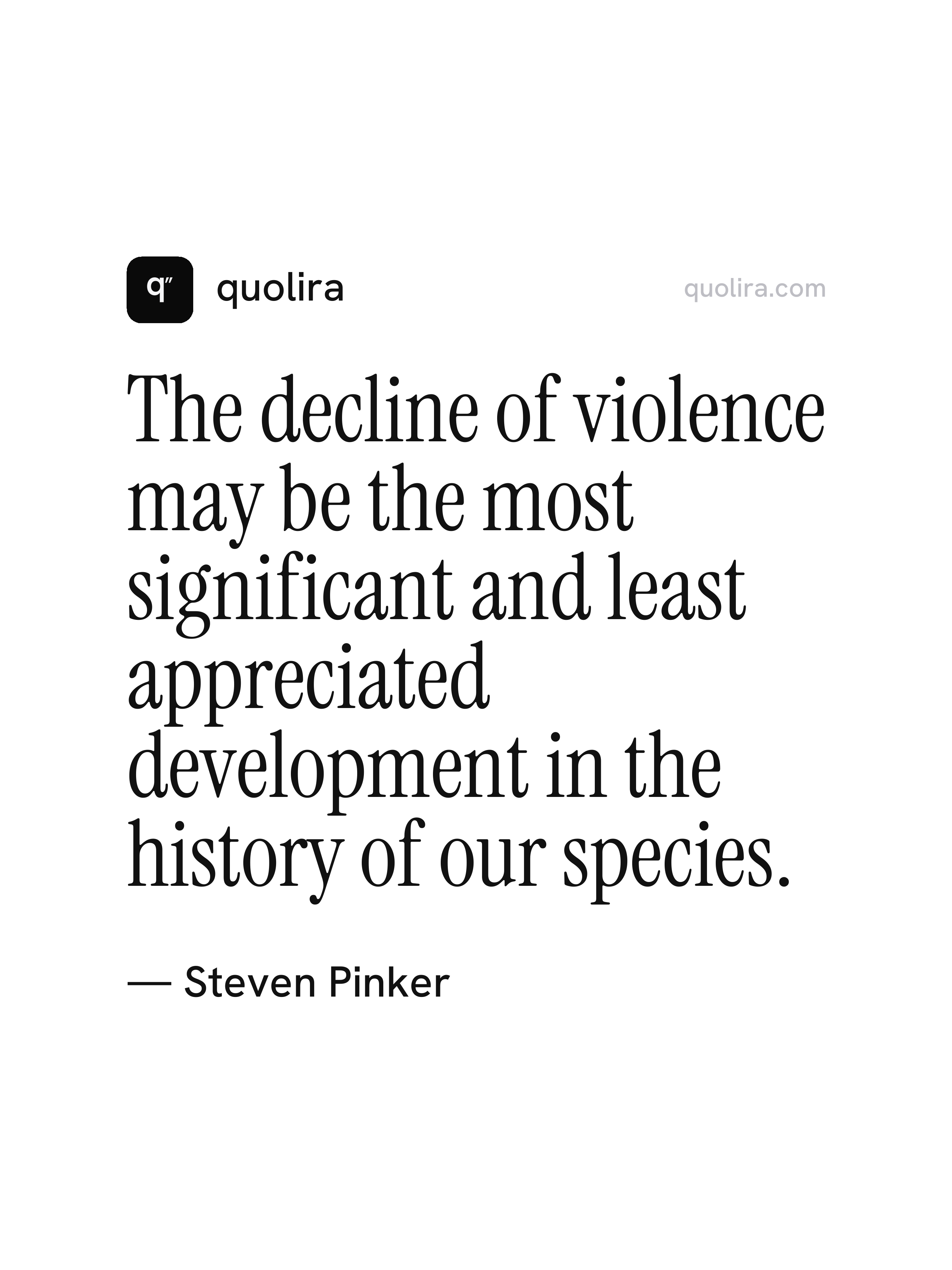
“The decline of violence may be the most significant and least appreciated development in the history of our species.”
Steven Pinker · The Better Angels of Our Nature, 2011
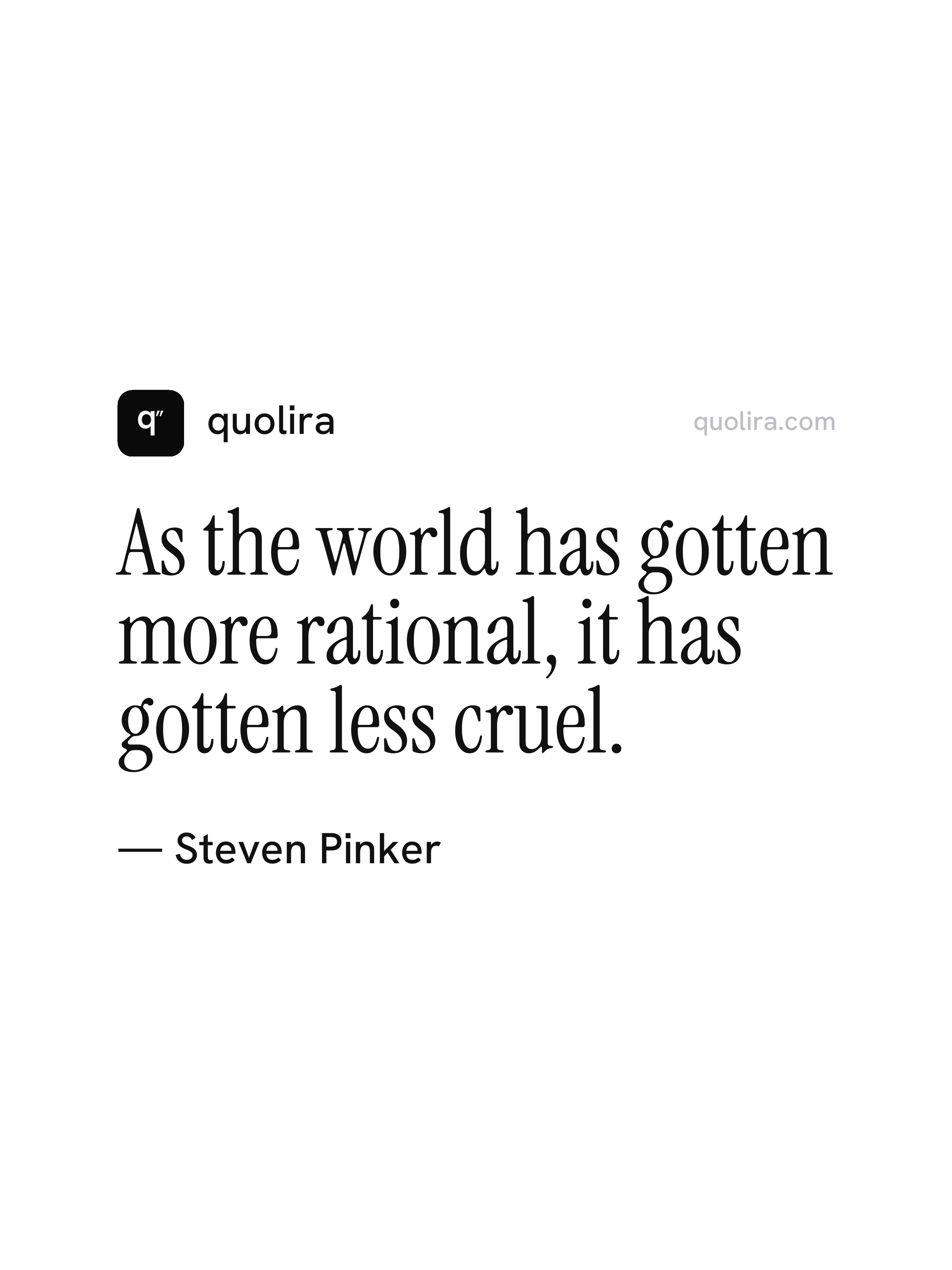
“As the world has gotten more rational, it has gotten less cruel.”
Steven Pinker · The Better Angels of Our Nature, 2011
“Bad things can happen quickly, but good things aren't built in a day, and as they unfold, they will be out of sync with the news cycle.”
Steven Pinker · Enlightenment Now, 2018
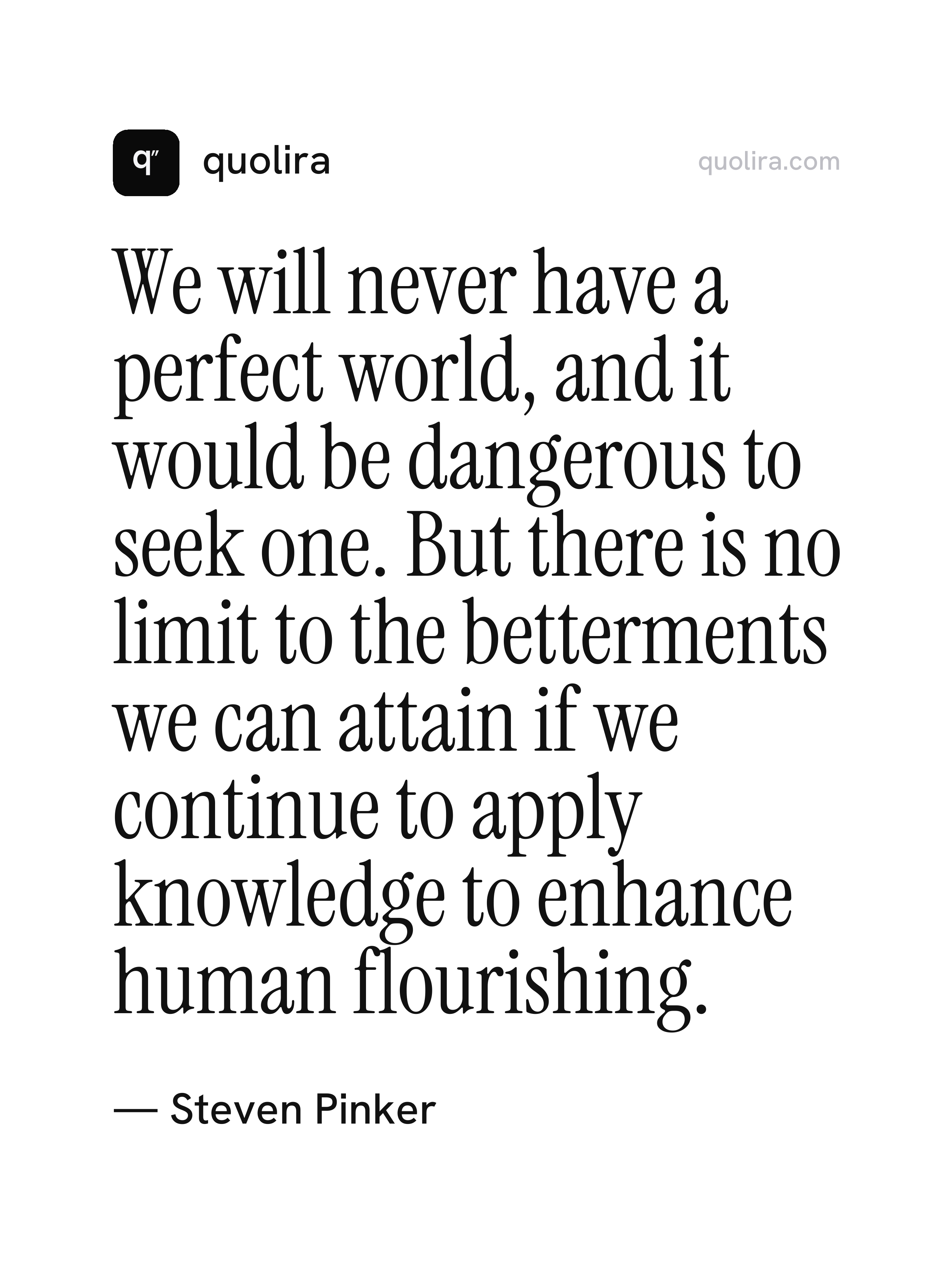
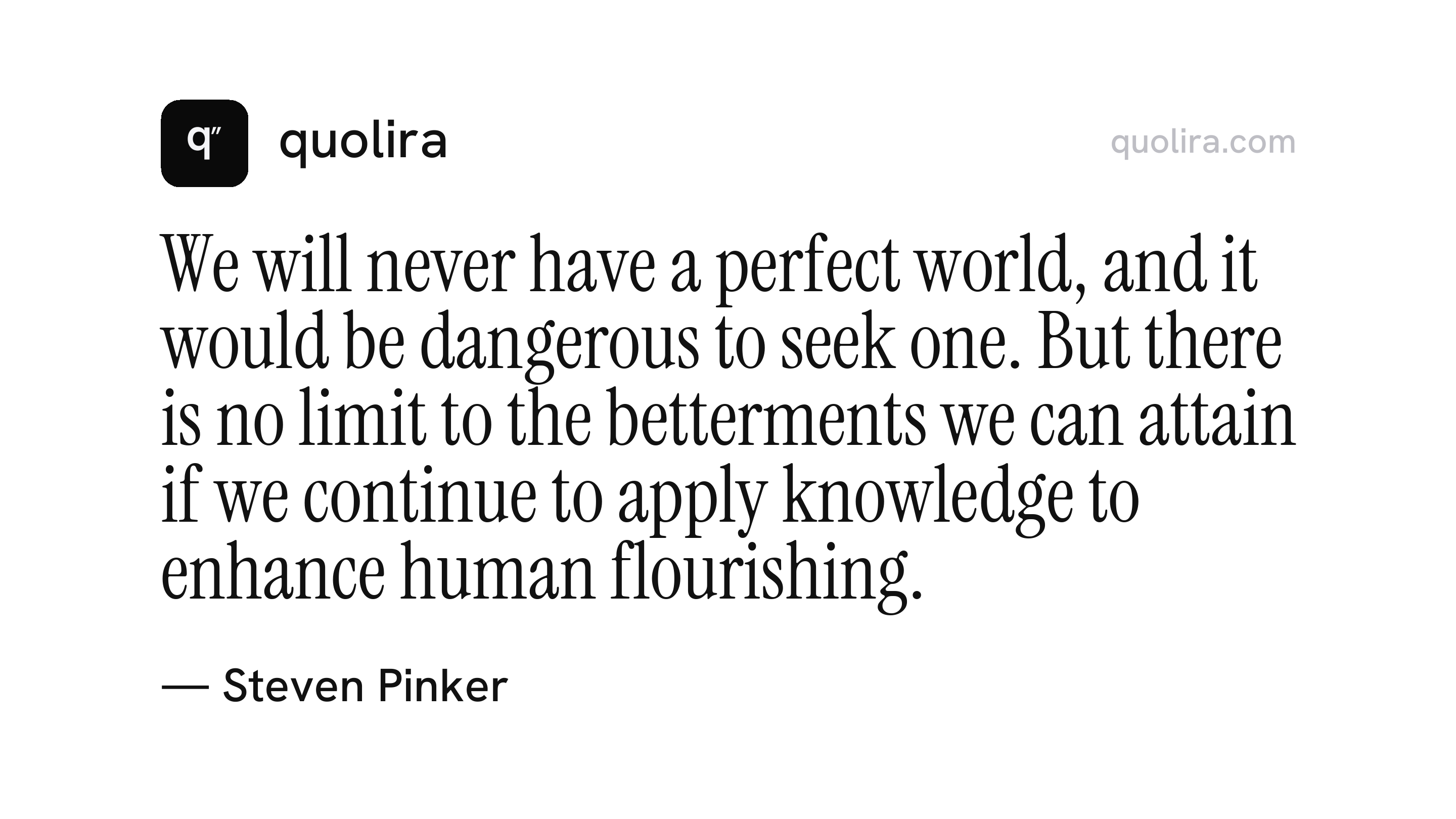
“We will never have a perfect world, and it would be dangerous to seek one. But there is no limit to the betterments we can attain if we continue to apply knowledge to enhance human flourishing.”
Steven Pinker · Enlightenment Now, 2018
“Intellectuals hate progress. Intellectuals who call themselves progressive really hate progress.”
Steven Pinker · Enlightenment Now, 2018