“Intellectuals hate progress. Intellectuals who call themselves progressive really hate progress.”
Steven Pinker · Enlightenment Now, 2018
 quolira
.com
quolira
quolira.com
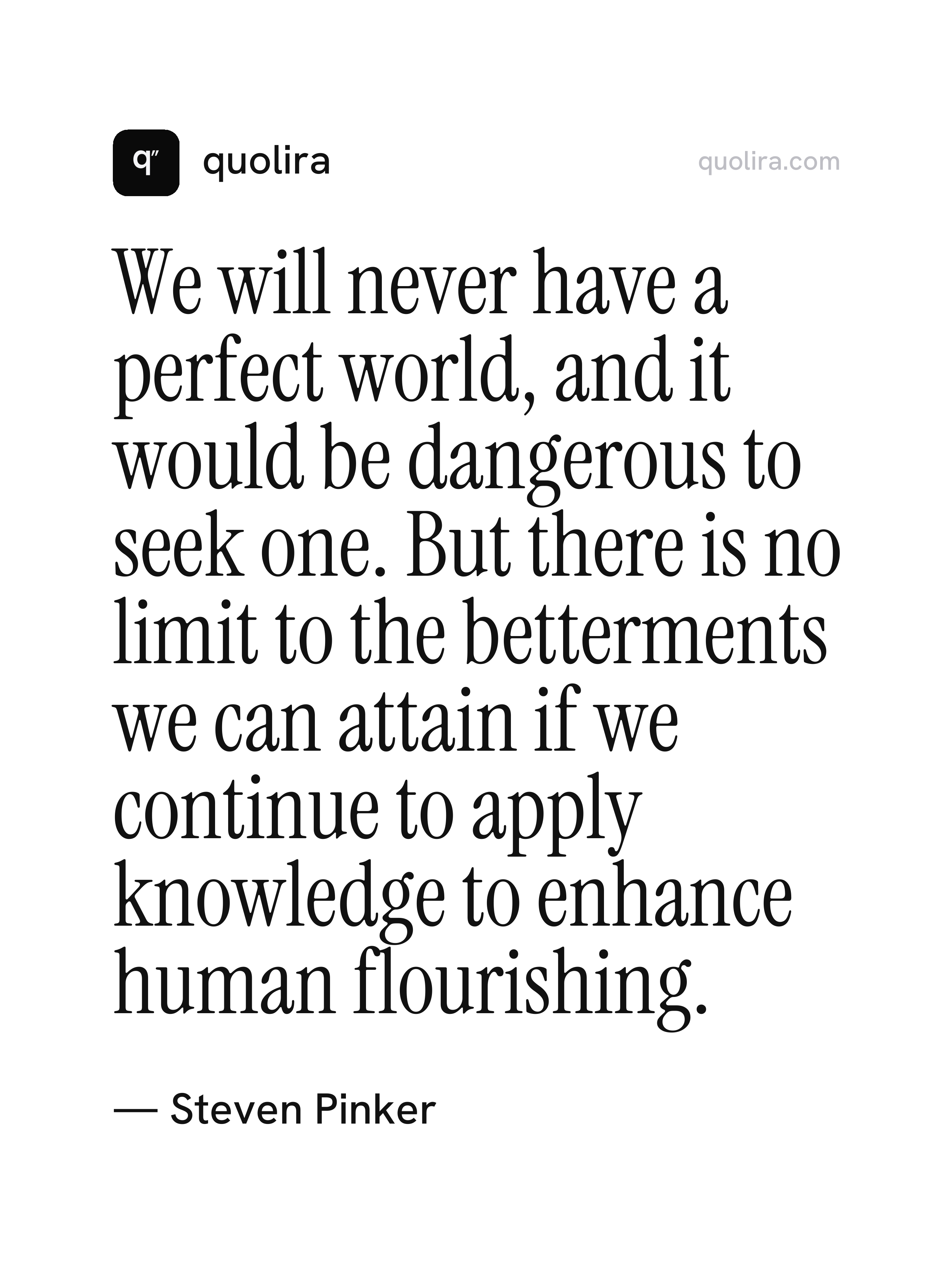
Pinker is threading a careful line here between utopianism and defeatism. He rejects the pursuit of a perfect world, which he sees as a dangerous fantasy that has historically justified great violence in the name of an imagined ideal future. But he equally rejects the conclusion that because perfection is impossible, improvement is futile. The real message is that incremental, knowledge-driven progress is both achievable and meaningful, even without a final destination in sight.
This line comes from Pinker's 2018 book, which makes an extended case for Enlightenment values and the progress they have enabled. A central argument of that book is that the tools of science and reason, applied consistently to human problems, have produced real gains in health, wealth, safety, and well-being across much of the world. Pinker was responding to critics on both the left and right who he believed had grown dismissive of incremental progress, either in pursuit of radical transformation or out of a general cultural pessimism about modernity.
Steven Pinker is a Harvard professor and cognitive scientist whose popular books explore the workings of the human mind and the long arc of human history. He is known for defending empirical optimism against what he considers unwarranted despair about the modern world. His writing draws on fields including psychology, history, economics, and philosophy to build a broad picture of how humanity has benefited from rational inquiry. He is also a well-known commentator on language and the craft of writing clearly.
“Intellectuals hate progress. Intellectuals who call themselves progressive really hate progress.”
Steven Pinker · Enlightenment Now, 2018
“The world has made spectacular progress in every single measure of human well-being. Here is a second shocker: almost no one knows about it.”
Steven Pinker · Enlightenment Now, 2018
“Progress is not utopia, but the gradual improvement of human flourishing through reason, science, and humanism.”
Steven Pinker · Enlightenment Now, 2018
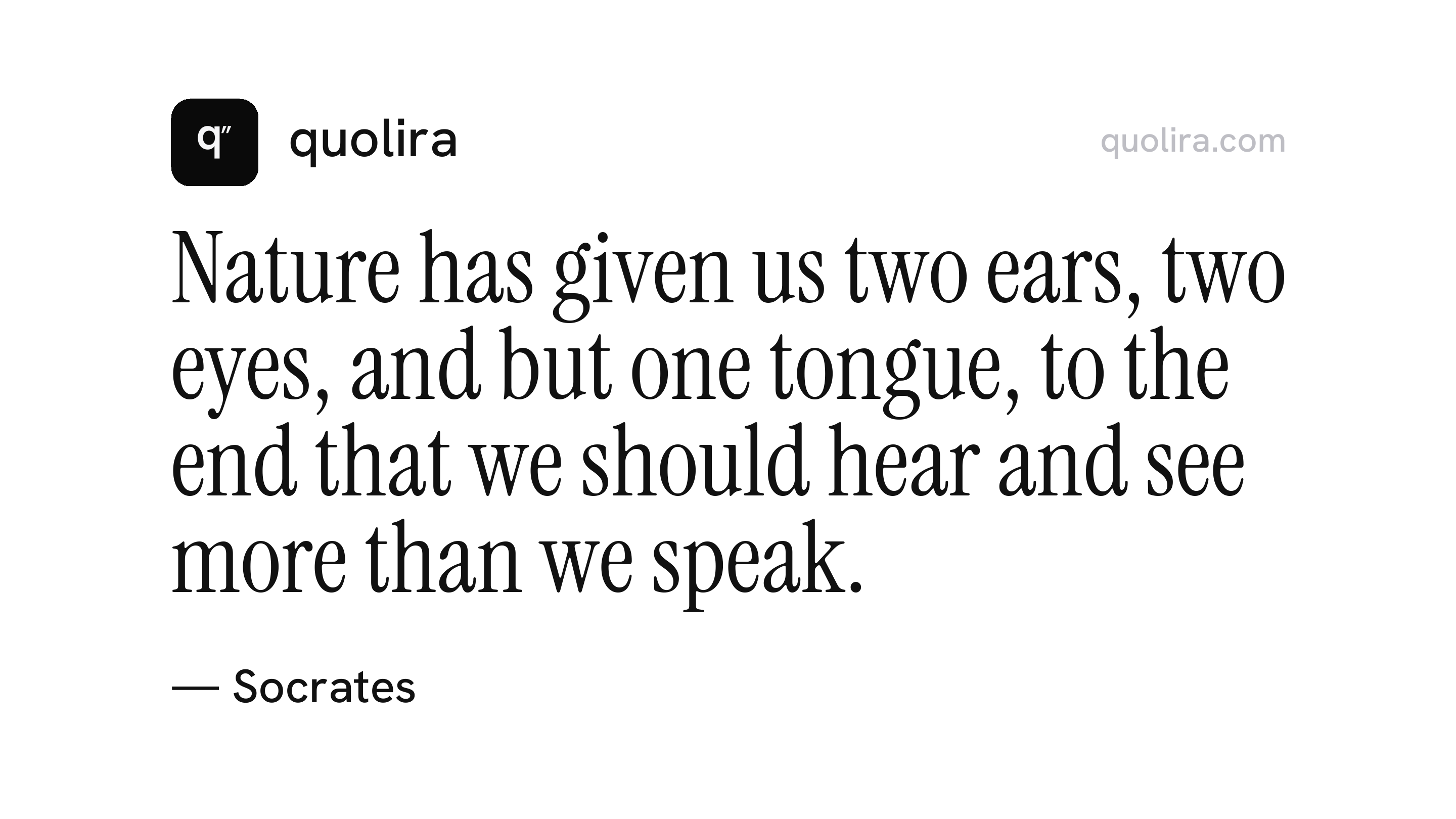
“Nature has given us two ears, two eyes, and but one tongue, to the end that we should hear and see more than we speak.”
Socrates · attributed
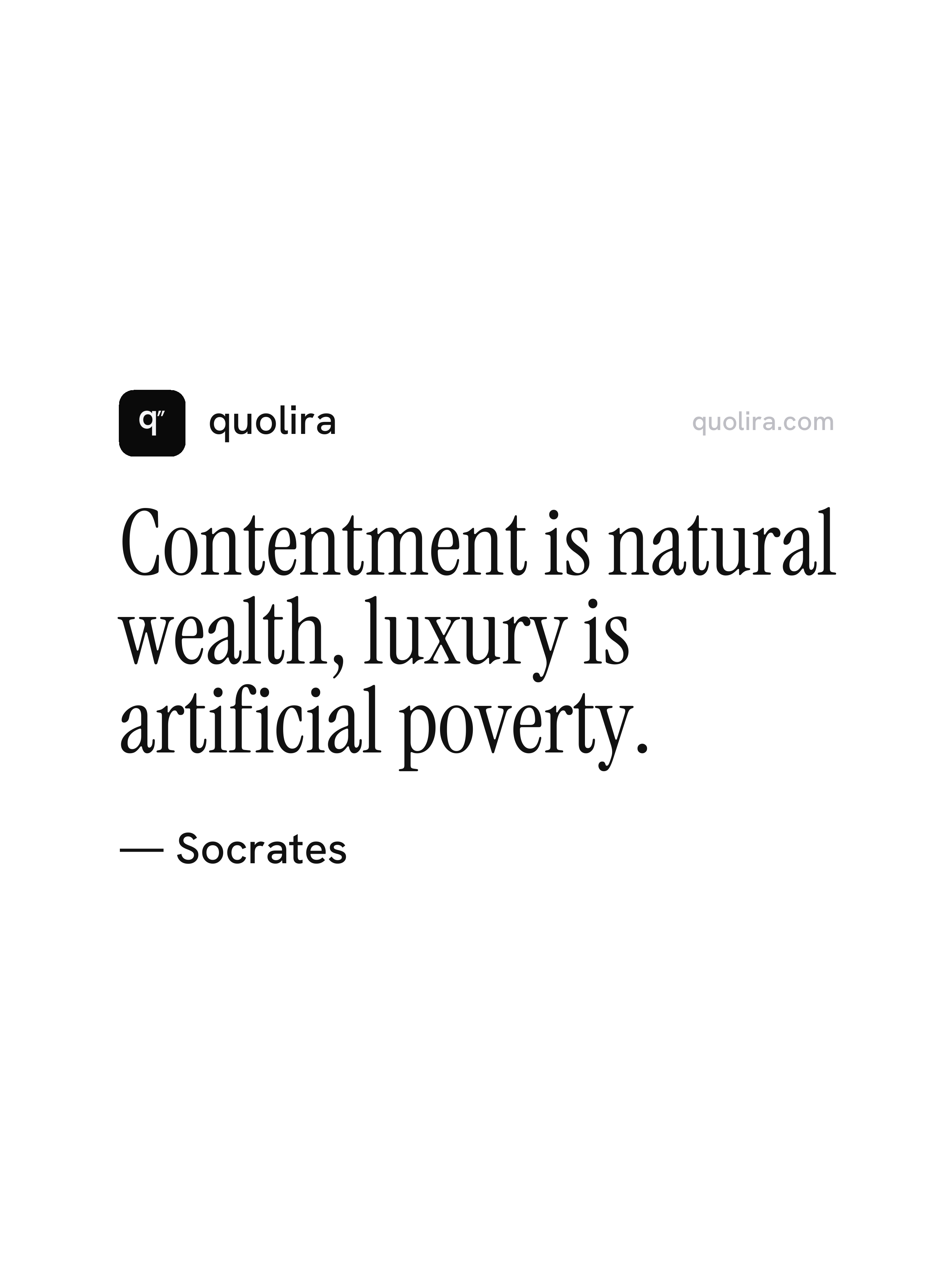
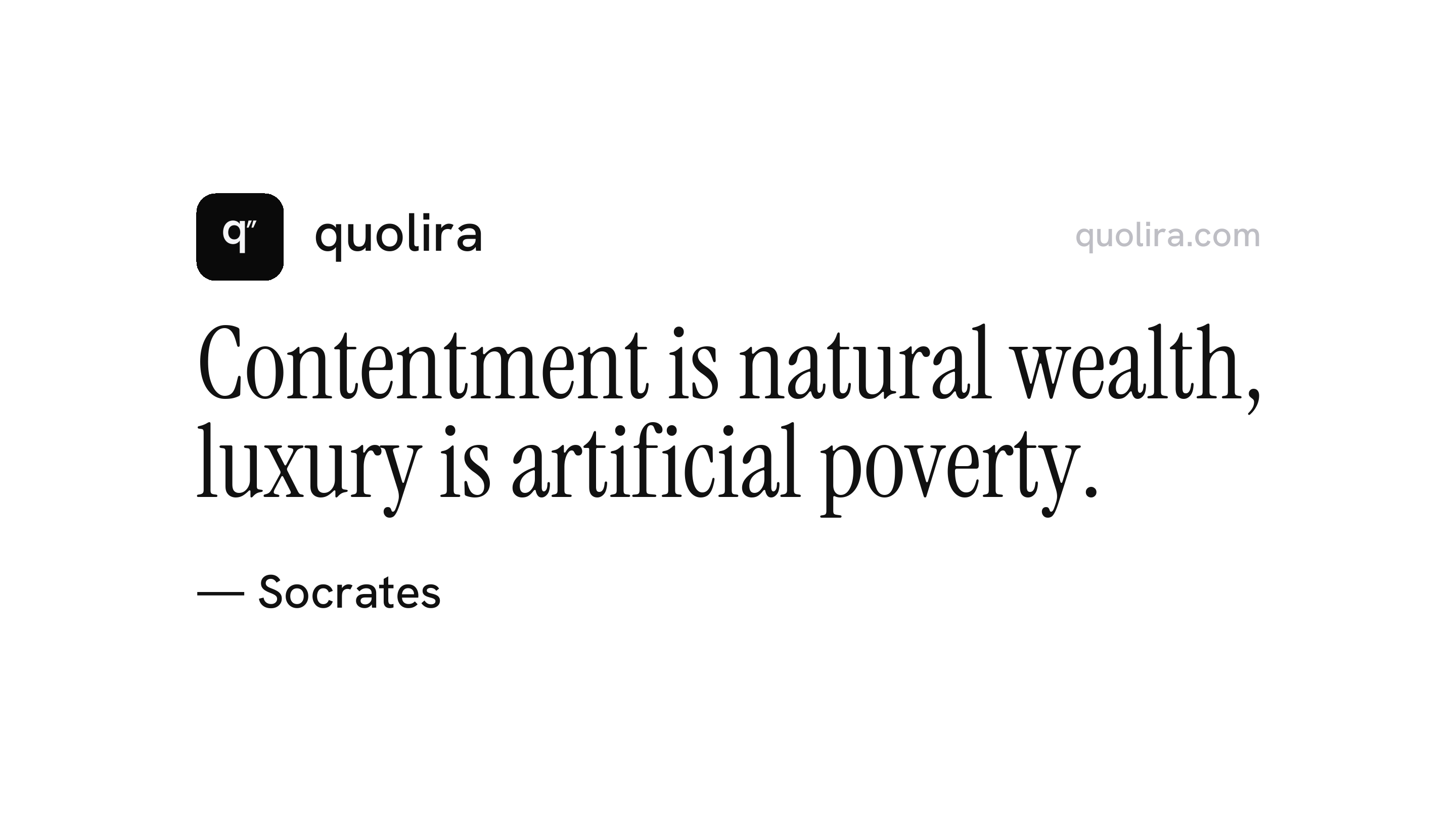
“Contentment is natural wealth, luxury is artificial poverty.”
Socrates · attributed
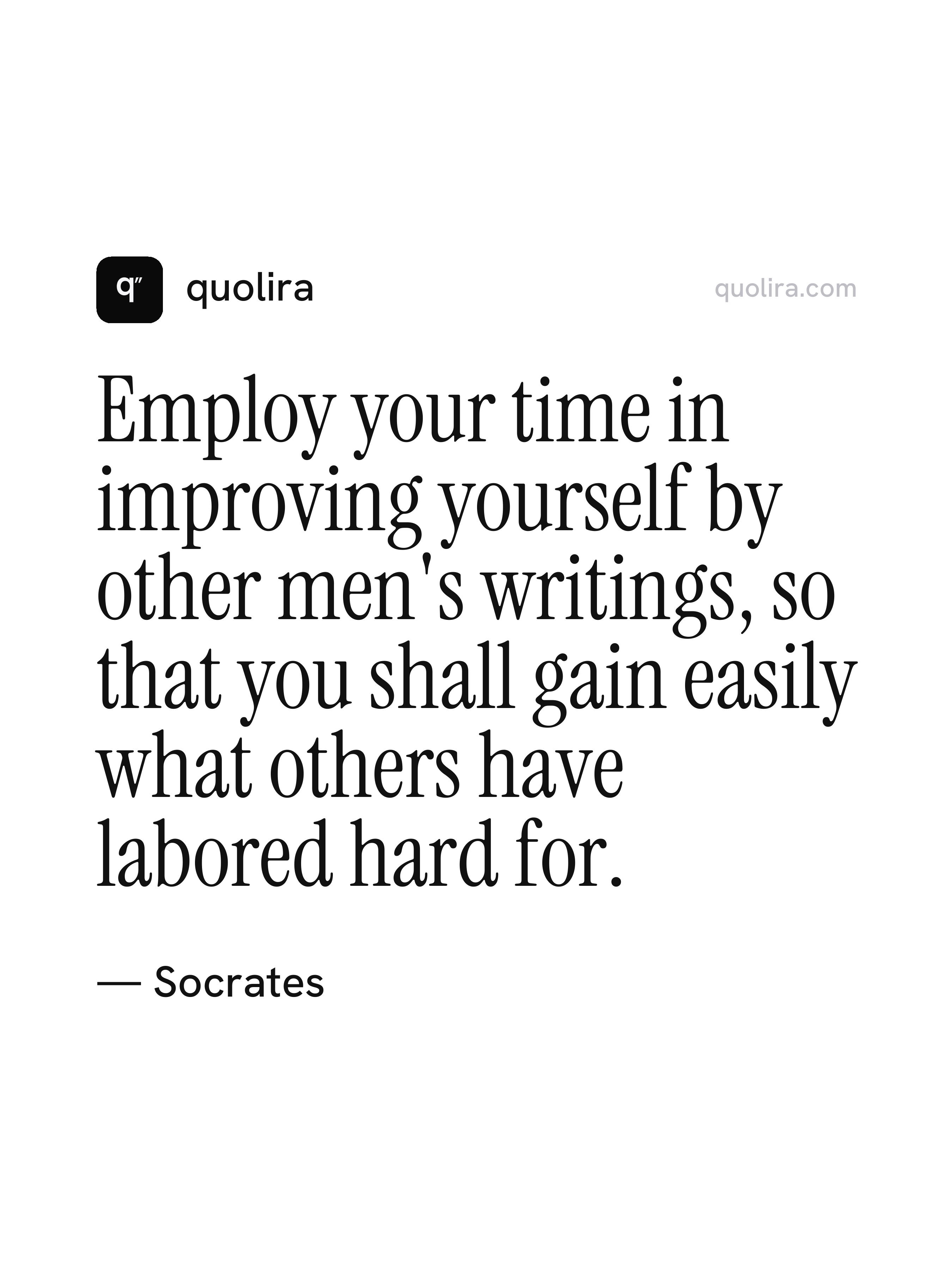
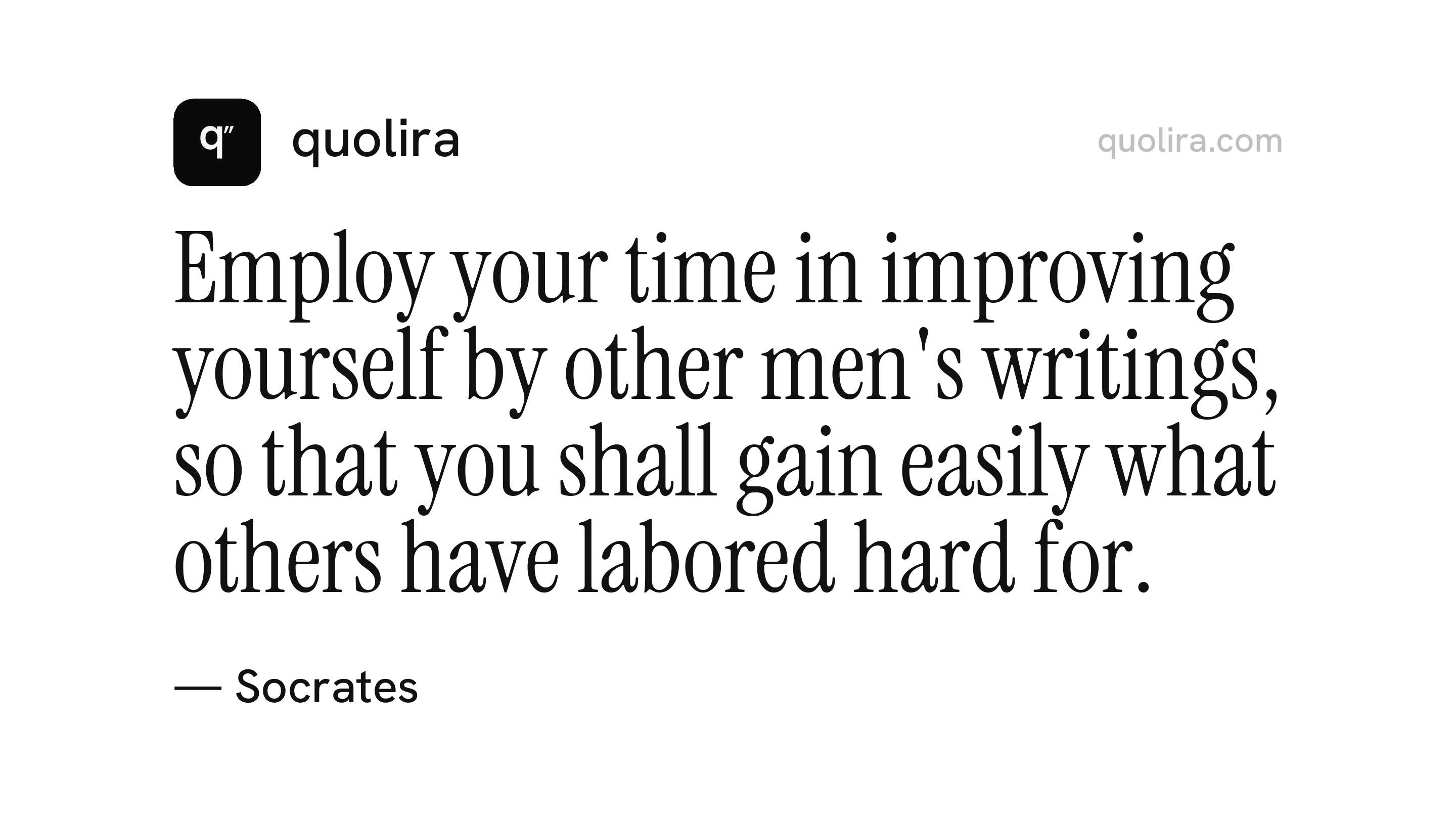
“Employ your time in improving yourself by other men's writings, so that you shall gain easily what others have labored hard for.”
Socrates · attributed
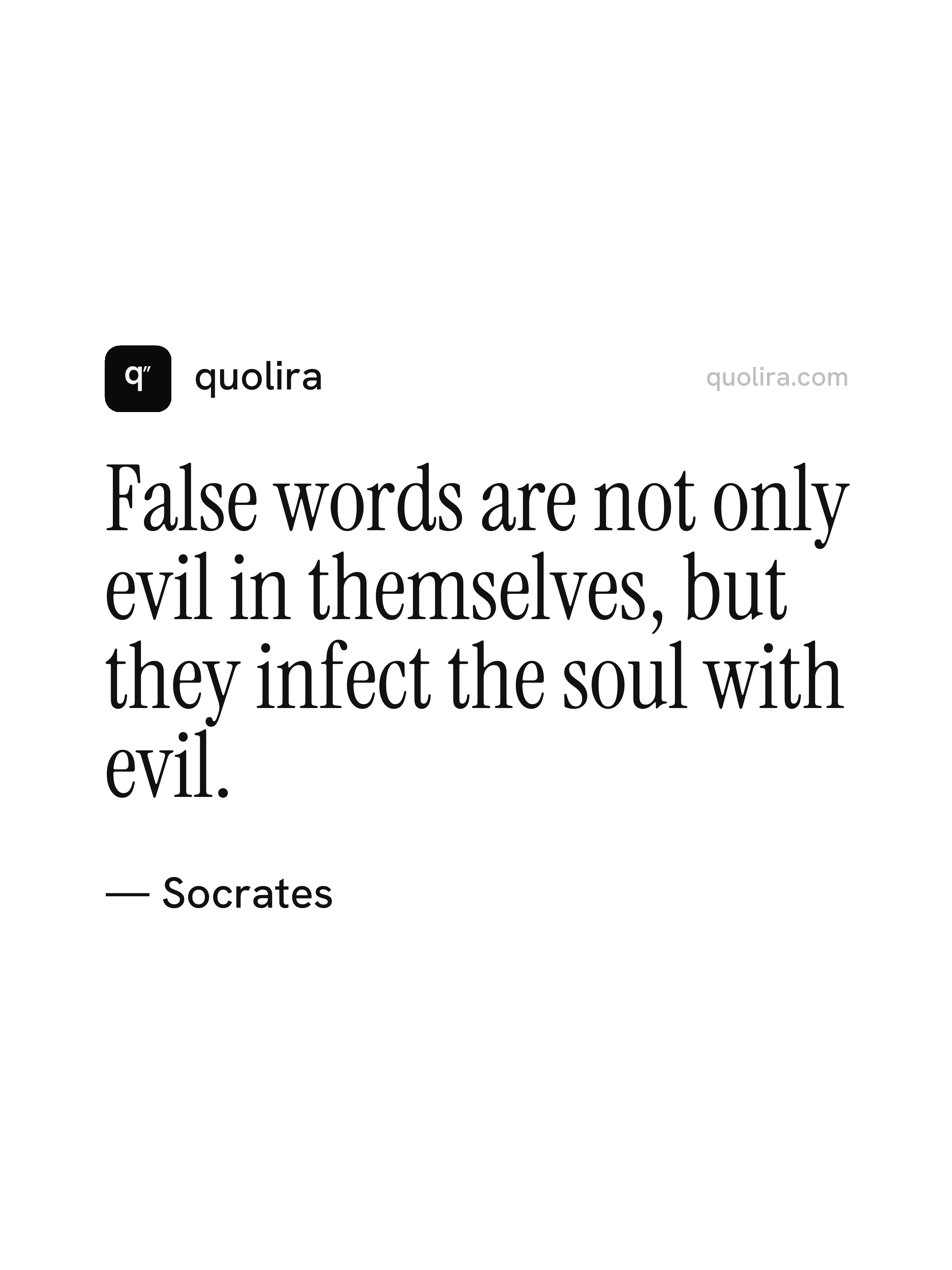
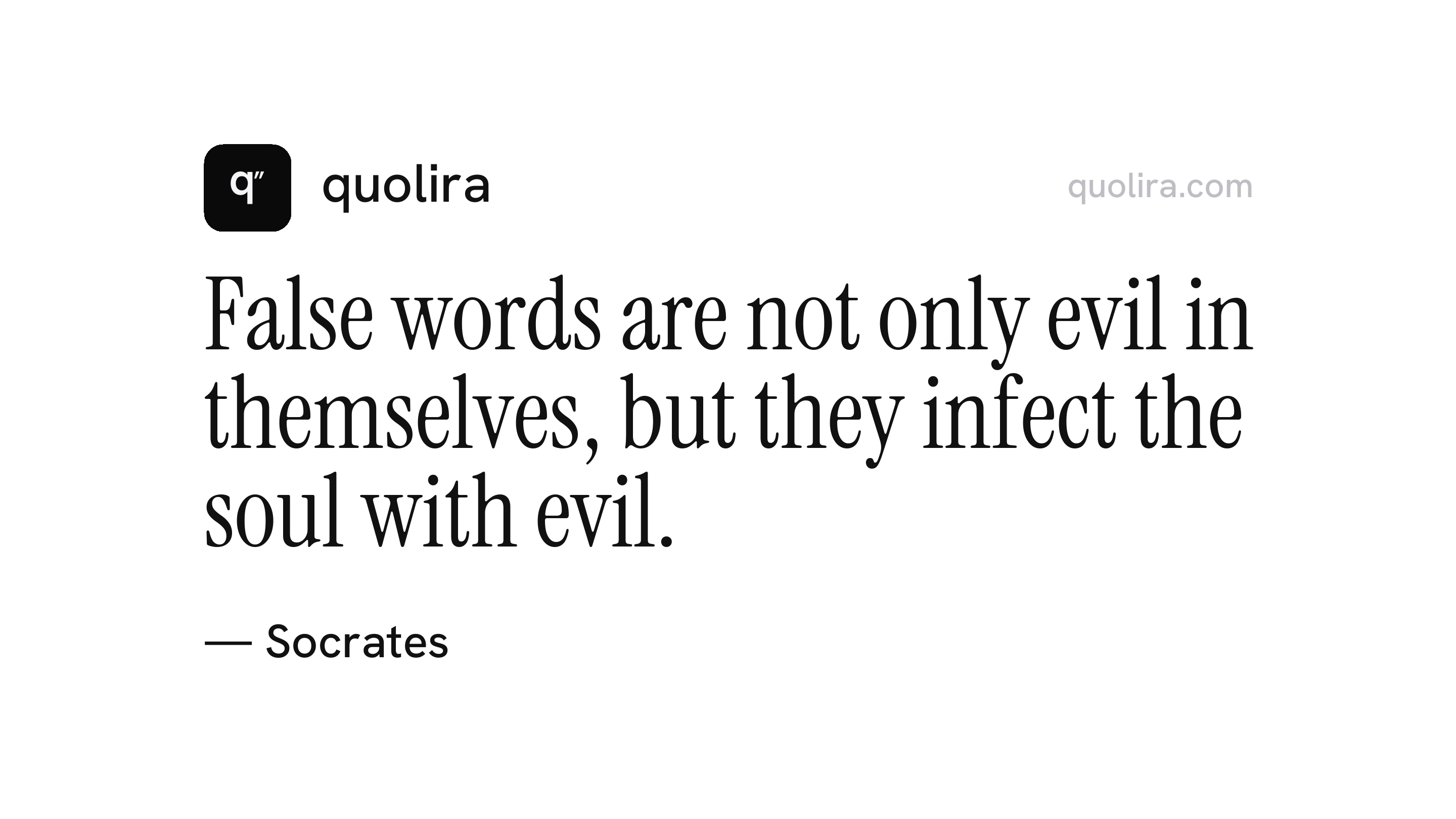
“False words are not only evil in themselves, but they infect the soul with evil.”
Socrates · Plato, Phaedo
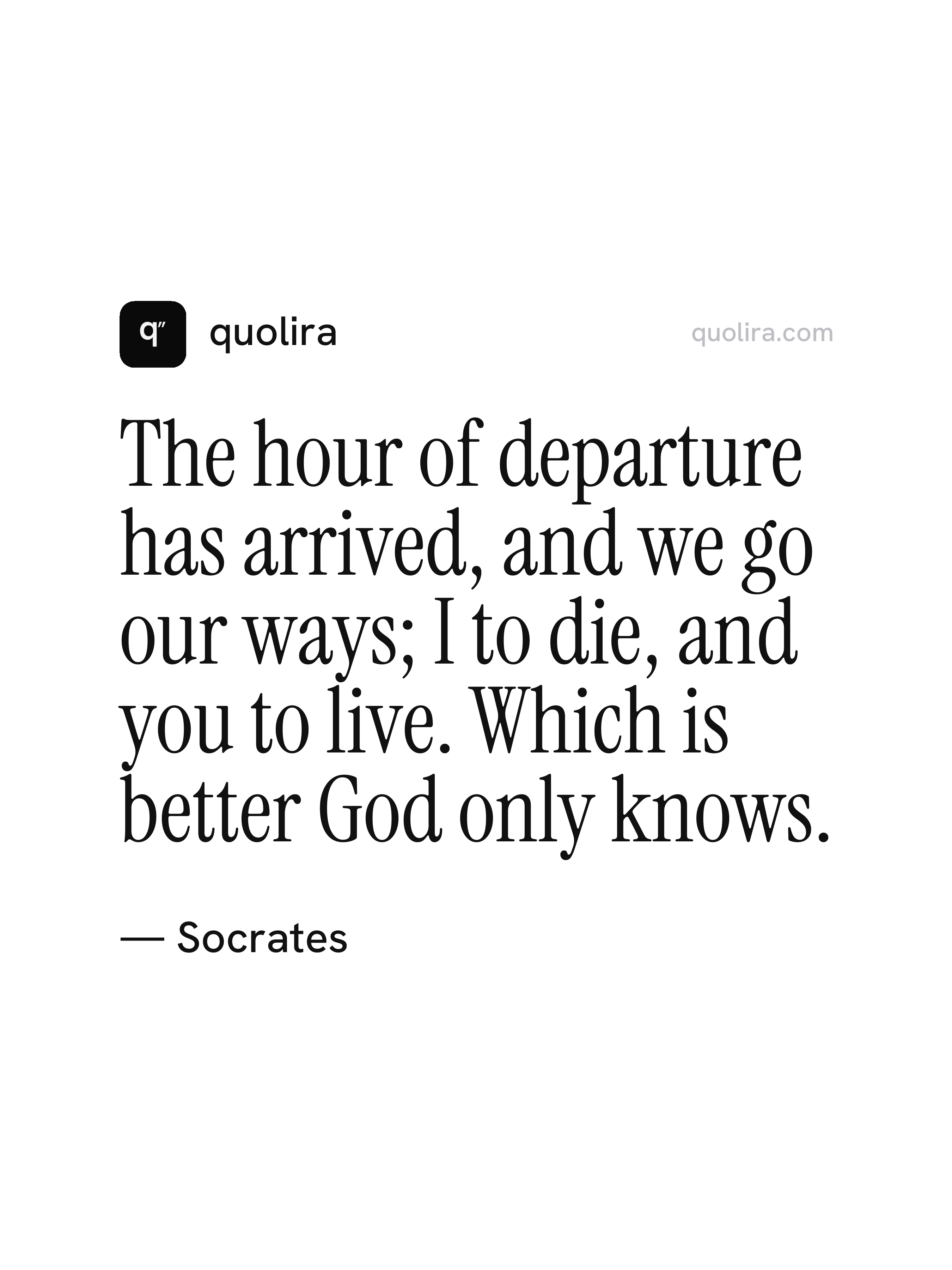
“The hour of departure has arrived, and we go our ways; I to die, and you to live. Which is better God only knows.”
Socrates · Plato, Apology
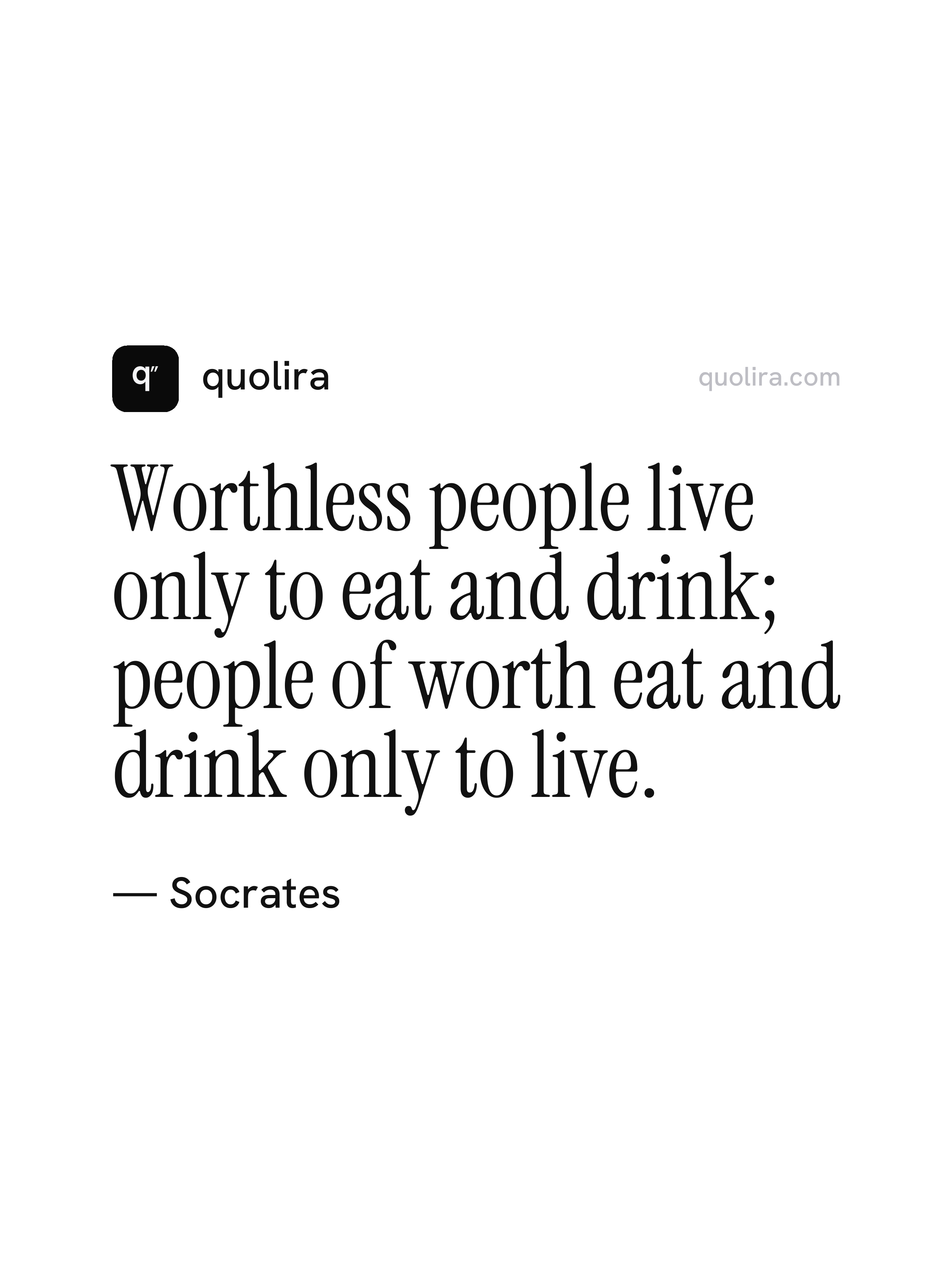
“Worthless people live only to eat and drink; people of worth eat and drink only to live.”
Socrates · attributed
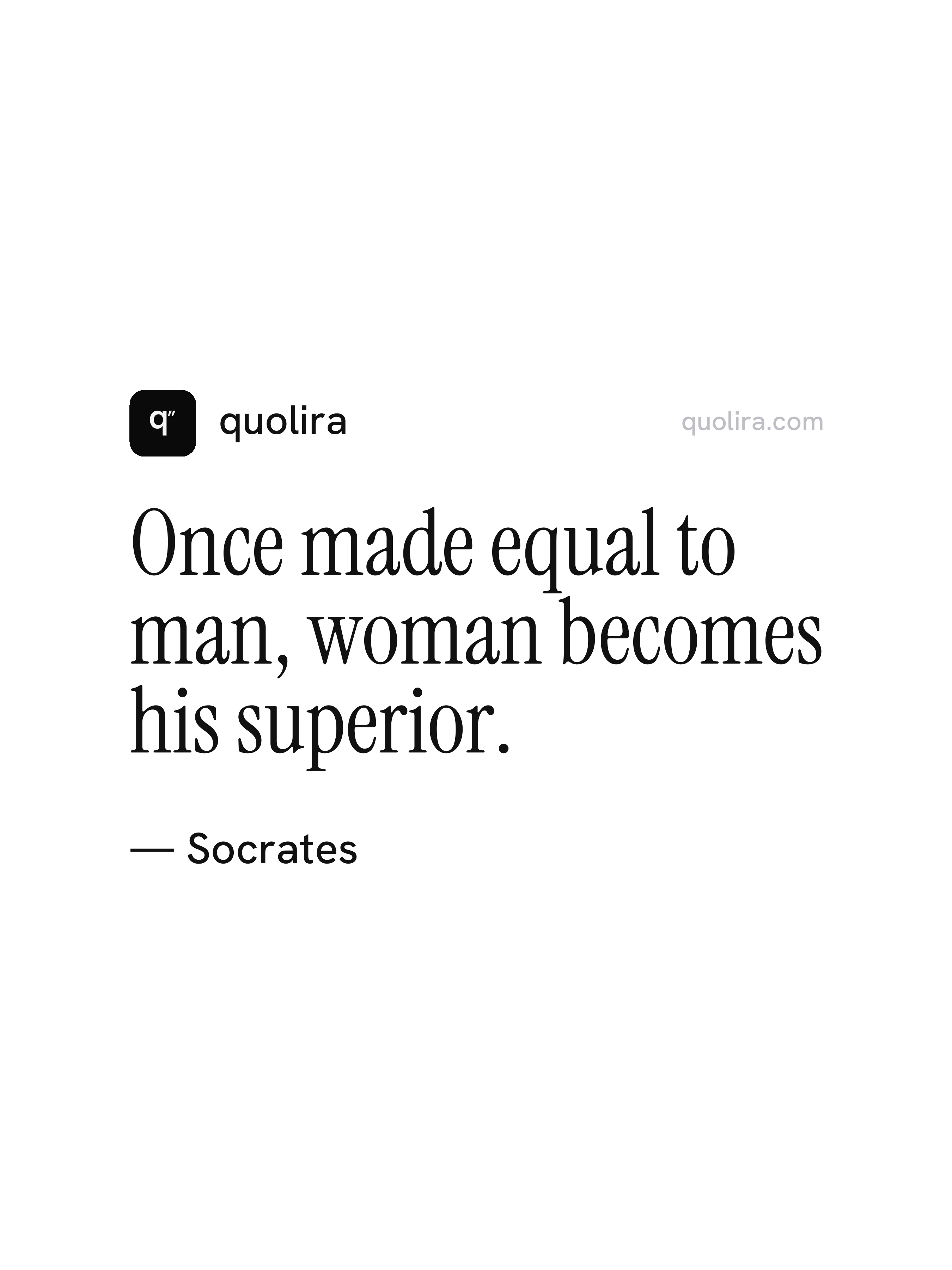
“Once made equal to man, woman becomes his superior.”
Socrates · attributed
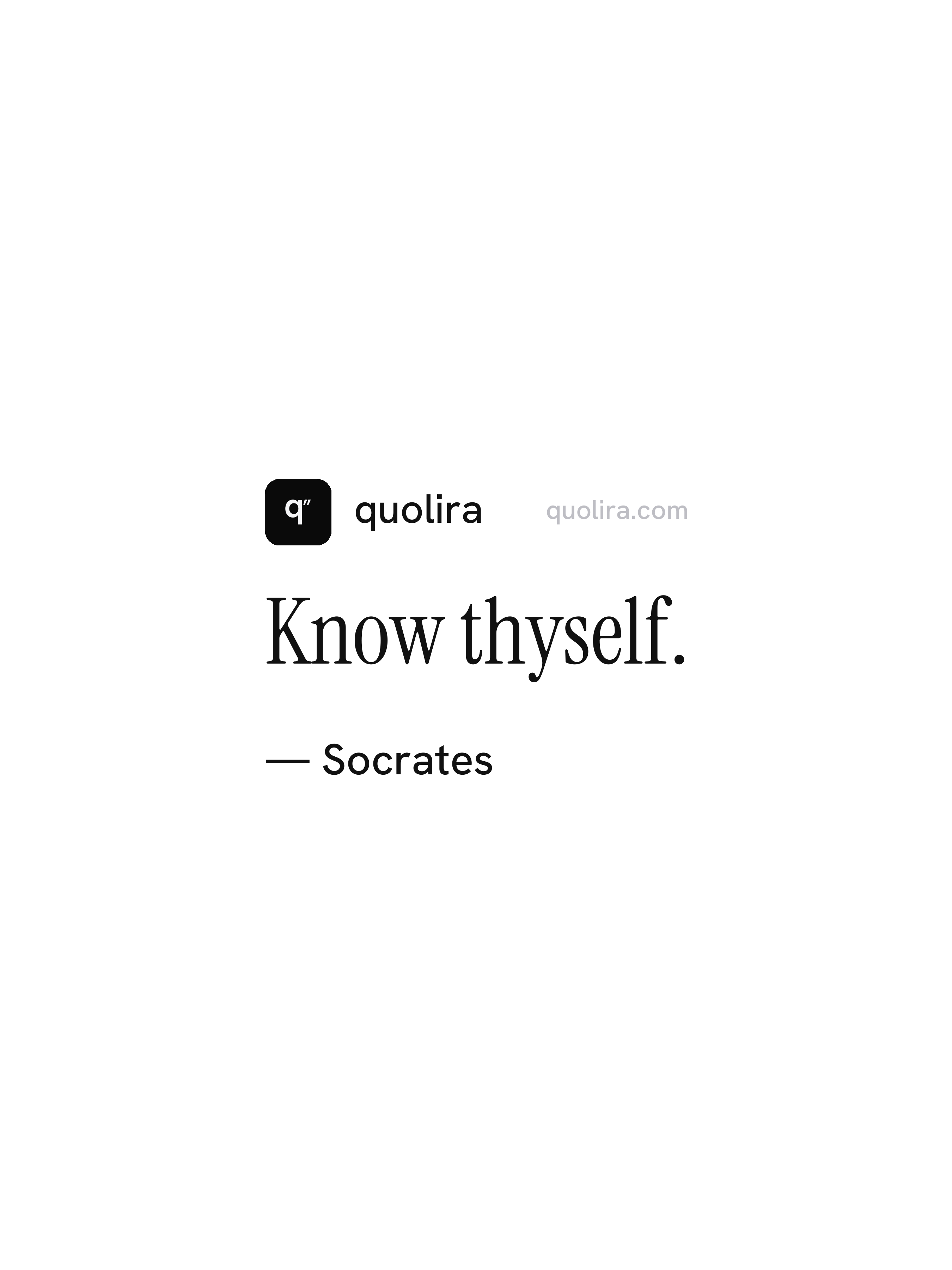
“Know thyself.”
Socrates · adopted from the Delphic maxim
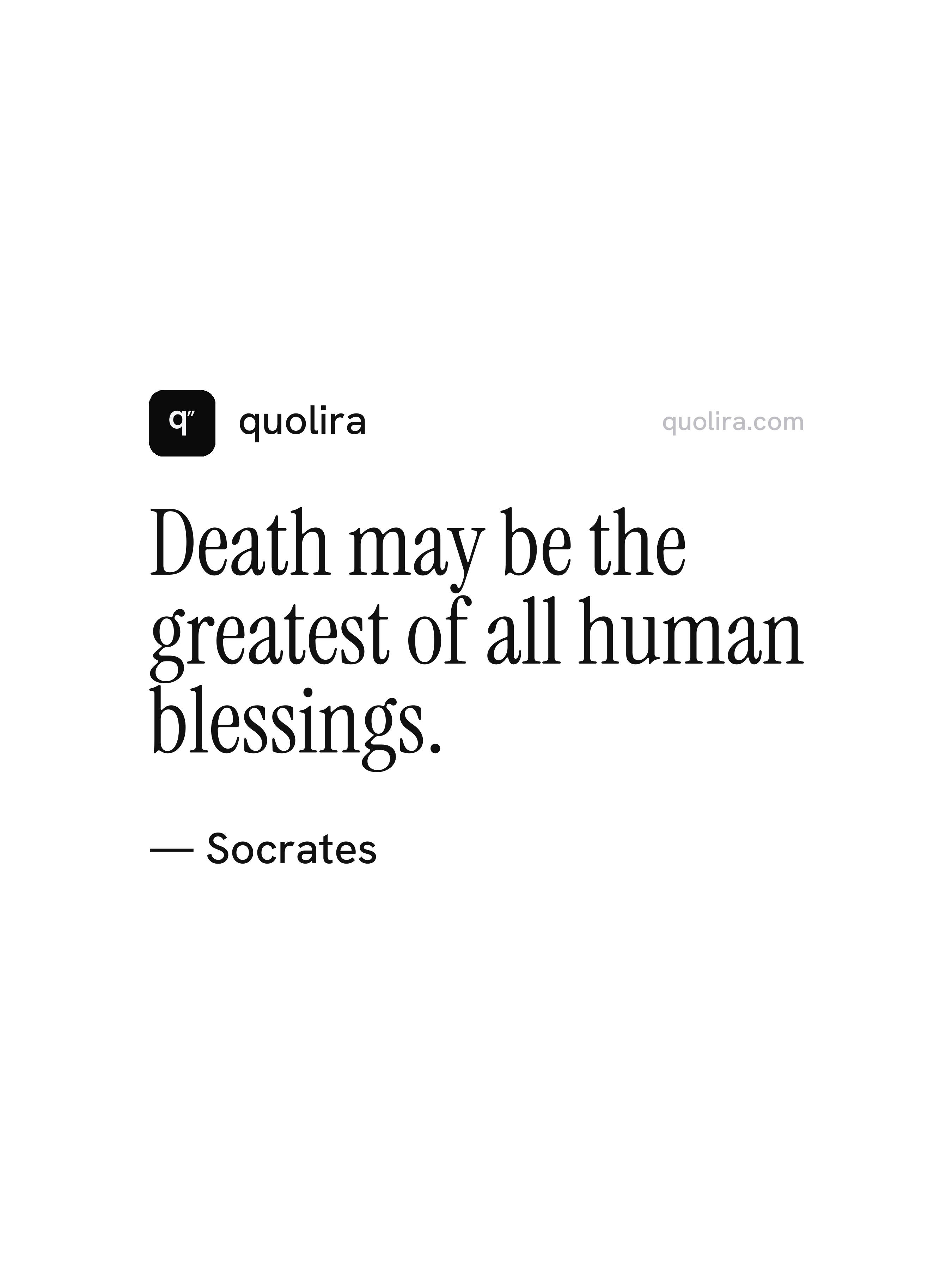
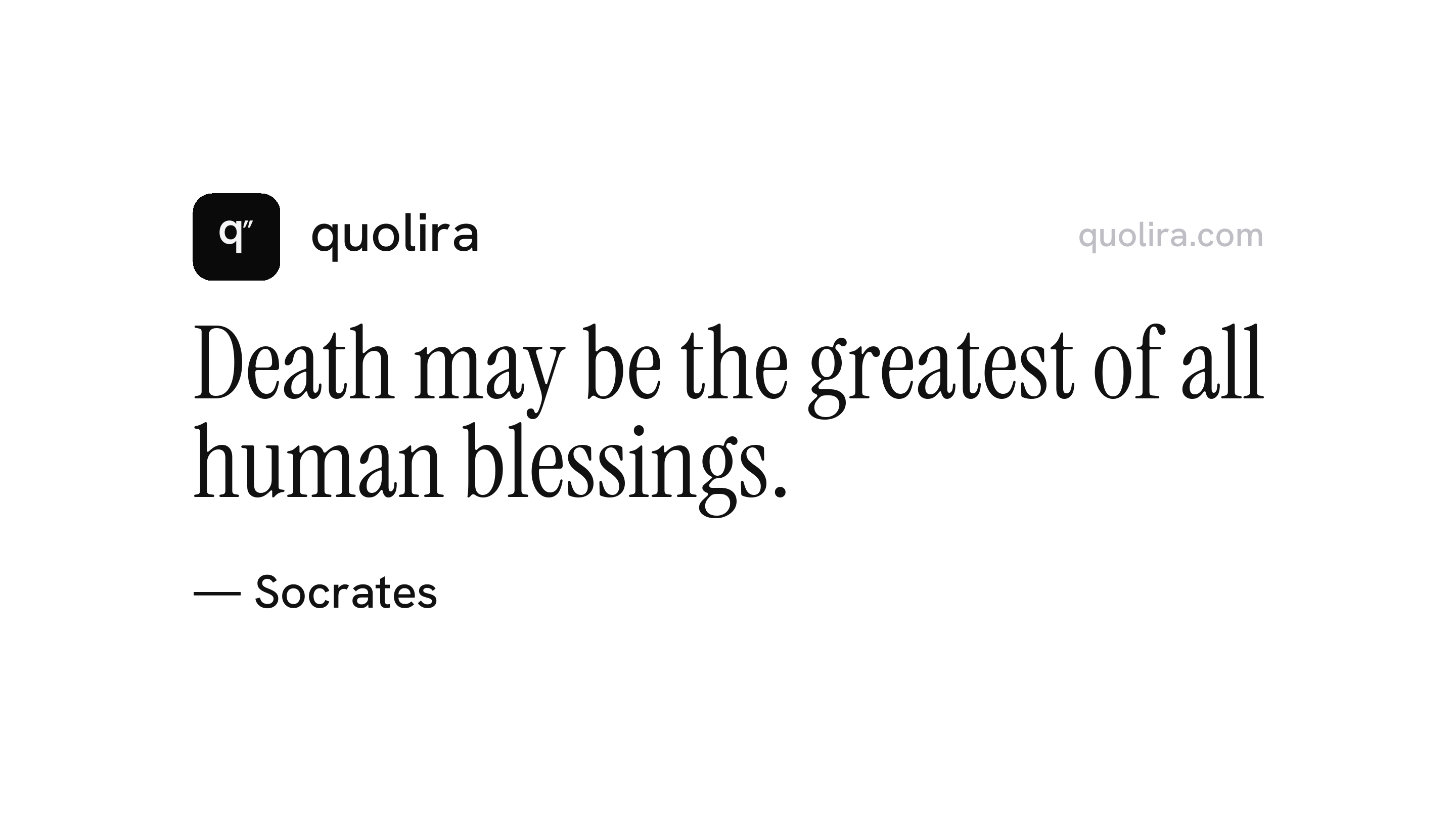
“Death may be the greatest of all human blessings.”
Socrates · Plato, Apology