16 African Proverbs That Will Change How You See the World
Ancient wisdom from across a continent, distilled into lines that still cut clean.

African proverb wisdom has been shaping how people think, grieve, celebrate, and survive for thousands of years. These sayings aren't decorative. They're load-bearing. A single line can hold an entire philosophy of community, patience, or resilience in a way that a full essay sometimes can't. Across dozens of cultures and hundreds of languages, the continent produced some of the most economical truths ever spoken. Sixteen of the best ones are collected here.
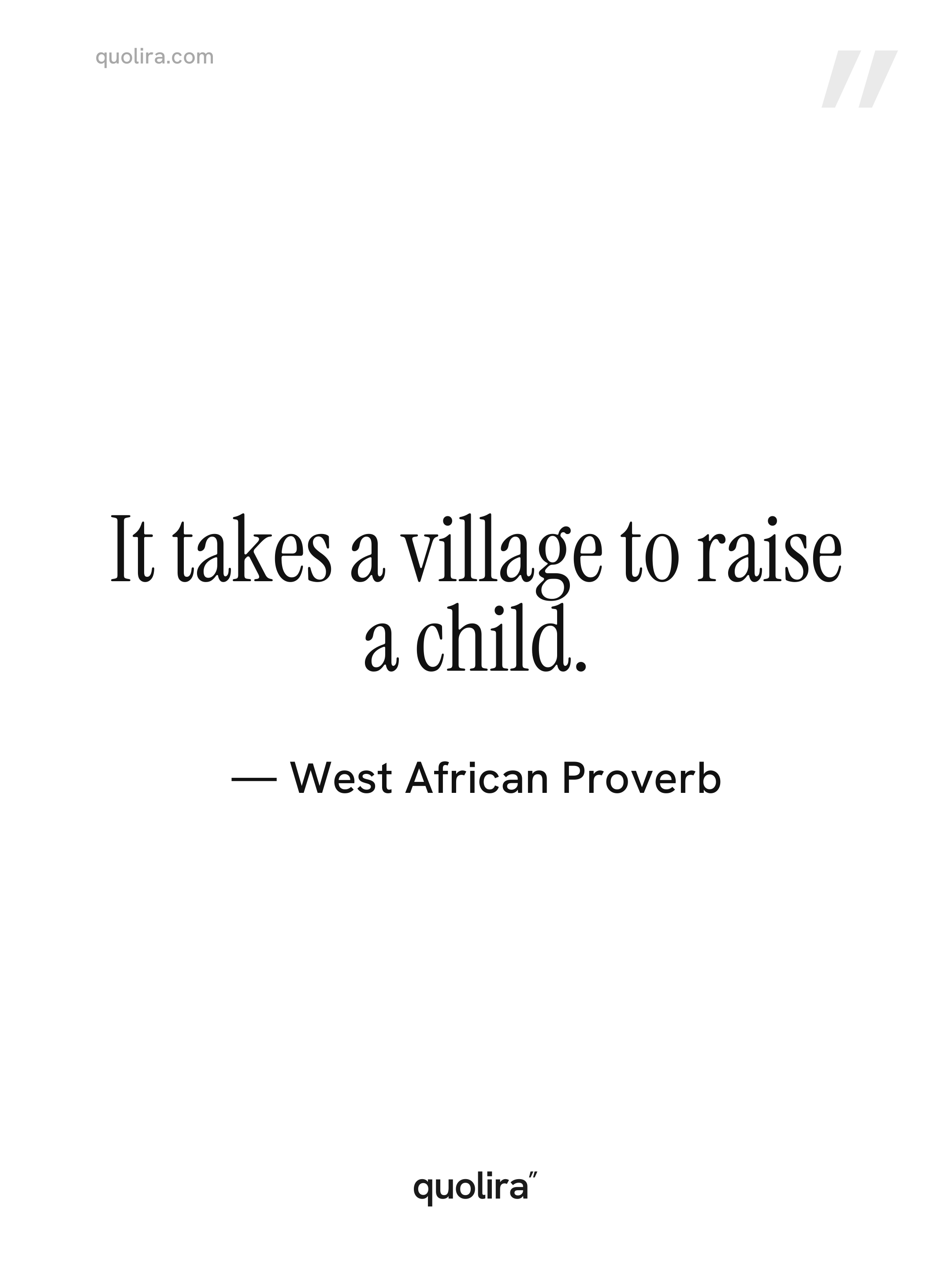
It takes a village to raise a child.
Until the lion learns to write, every story will glorify the hunter.
Power over narrative is power over history. Whoever records events decides which version survives, which is exactly why representation in storytelling has always mattered.

Smooth seas do not make skillful sailors.
Comfort is a fine thing to enjoy, but a poor teacher. You don't find out what you're capable of until conditions actually test you.

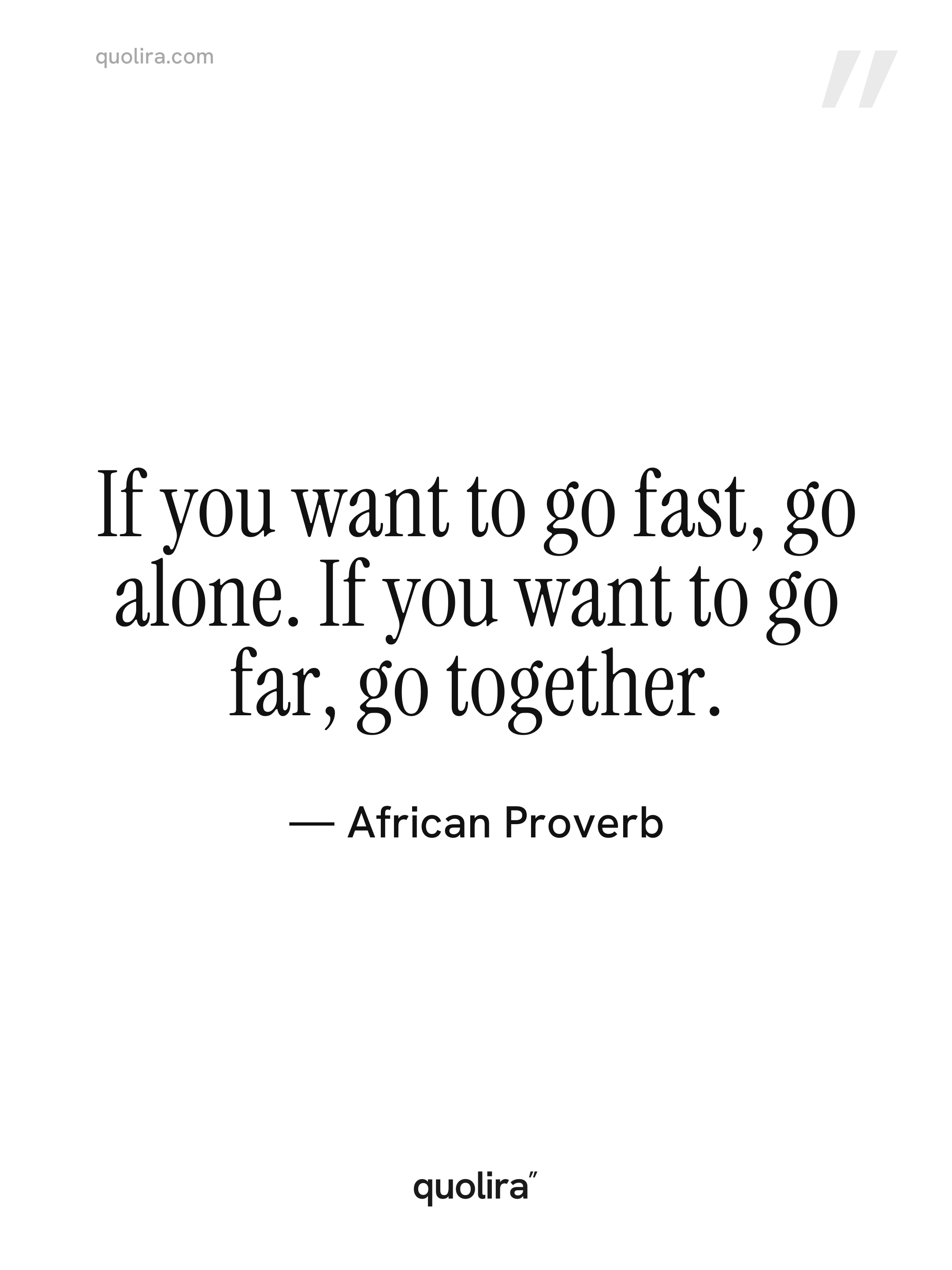
If you want to go fast, go alone. If you want to go far, go together.
Speed and distance are genuinely different goals, and this proverb refuses to pretend otherwise. Most ambitious projects eventually hit a wall that only a group can move.
African Proverbs by Wilfrid Dyson Hambly
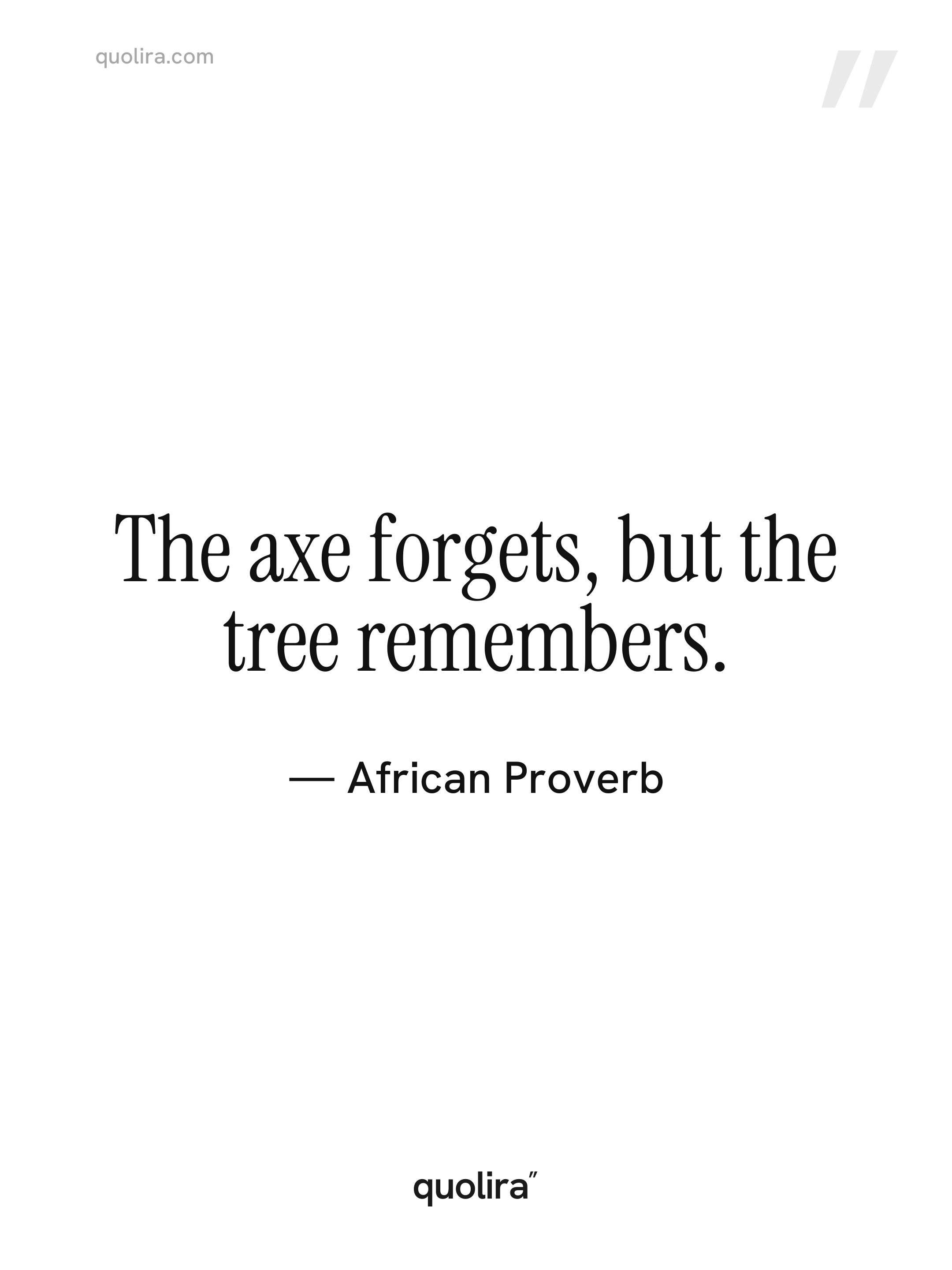
The axe forgets, but the tree remembers.
The person who causes harm often moves on quickly. The one who received it usually doesn't. That asymmetry is worth sitting with before you assume a conflict is resolved.
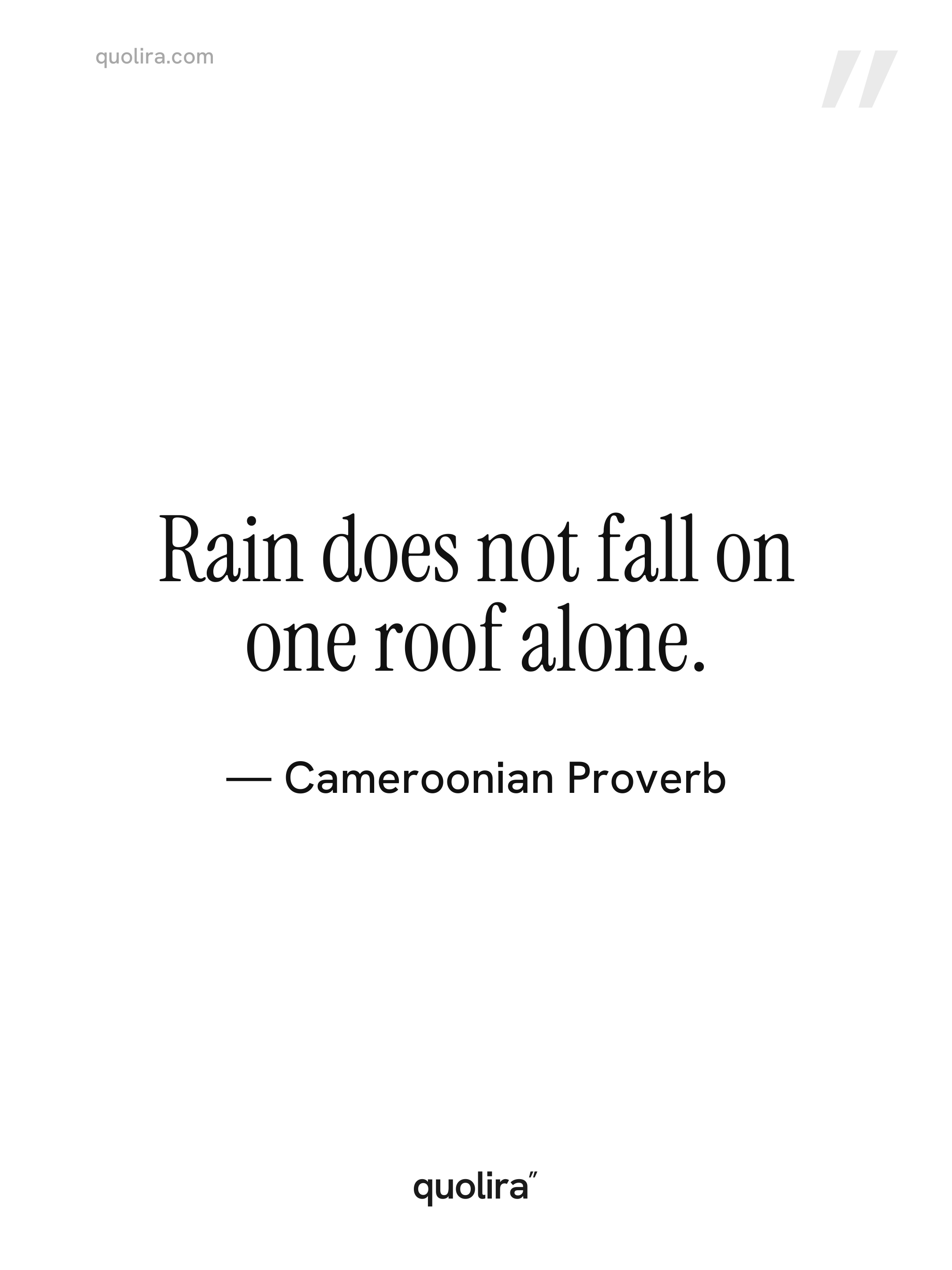
Rain does not fall on one roof alone.
Trouble, like weather, isn't selective. This proverb is a quiet reminder that shared hardship is the oldest form of human connection.
When the music changes, so does the dance.
Rigidity is expensive. The ability to read a changed situation and adapt your approach accordingly is one of the most practical skills a person can develop.
Knowledge is like a garden: if it is not cultivated, it cannot be harvested.
Learning that isn't tended, practiced, and applied doesn't hold. What you knew at 20 and never used is mostly gone by 40. This is just honest horticulture.
Ubuntu: I Am Because We Are edited by Larry Brewster
A child who is not embraced by the village will burn it down to feel its warmth.
Neglect has consequences that eventually become everyone's problem. This proverb doesn't excuse the burning. It explains the fire.
However long the night, the dawn will break.
There's no argument here, no philosophy. Just a physical fact applied to emotional experience. Sometimes the most useful thing someone can say is also the simplest.
An elder who falls asleep at a meeting wakes up to bad decisions.
Wisdom held privately doesn't help anyone. Showing up and staying present is part of what makes experience useful to a community.
A tree is straightened while it is young.
Early formation matters in ways that are hard to undo later. It's not determinism. It's just a practical observation about when change is easiest.
The Penguin Book of African Proverbs
The one who tells the stories rules the world.
Widely cited across African and Indigenous traditions, this line cuts to the heart of cultural power. Narrative shapes belief far more reliably than force does.

A person is a person through other persons.
Nguni Bantu Proverb Ubuntu philosophy
This is the philosophical core of Ubuntu, the southern African worldview that places identity in relationship rather than isolation. You become yourself in the presence of others.
Do not look where you fell, but where you slipped.
Failure analysis beats failure regret every time. The fall is the outcome. The slip is the actual cause. Only one of those is worth your attention going forward.
The forest would be silent if no bird sang except the one that sang best.
Perfectionism applied to participation produces silence. This proverb is a gentle argument for showing up imperfectly rather than staying quiet while you wait to be ready.
These proverbs weren't written down first. They were spoken, repeated, tested against real life, and passed on because they held up. That's a pretty good standard for any idea.
Frequently asked questions
Are African proverbs from a single culture or tradition?
What is the most famous African proverb?
Can African proverbs be used in speeches or writing?
Why do so many African proverbs focus on community?
Keep reading

The three wise monkeys: See No Evil, and What We Choose Not to Look At
The three wise monkeys were never about ignorance. They were about the daily work of guarding what goes in and out of you.

Fish and Guests stink After Three Days
The old kitchen proverb about welcome, and the quiet math of how long we can lean on each other.


What the Bamboo Knows
Japanese proverbs have been quietly teaching the same lessons for centuries. Here's why they still land.
No single parent, teacher, or institution can do it alone. The proverb isn't about helplessness. It's about honest accounting of what actually goes into building a person.