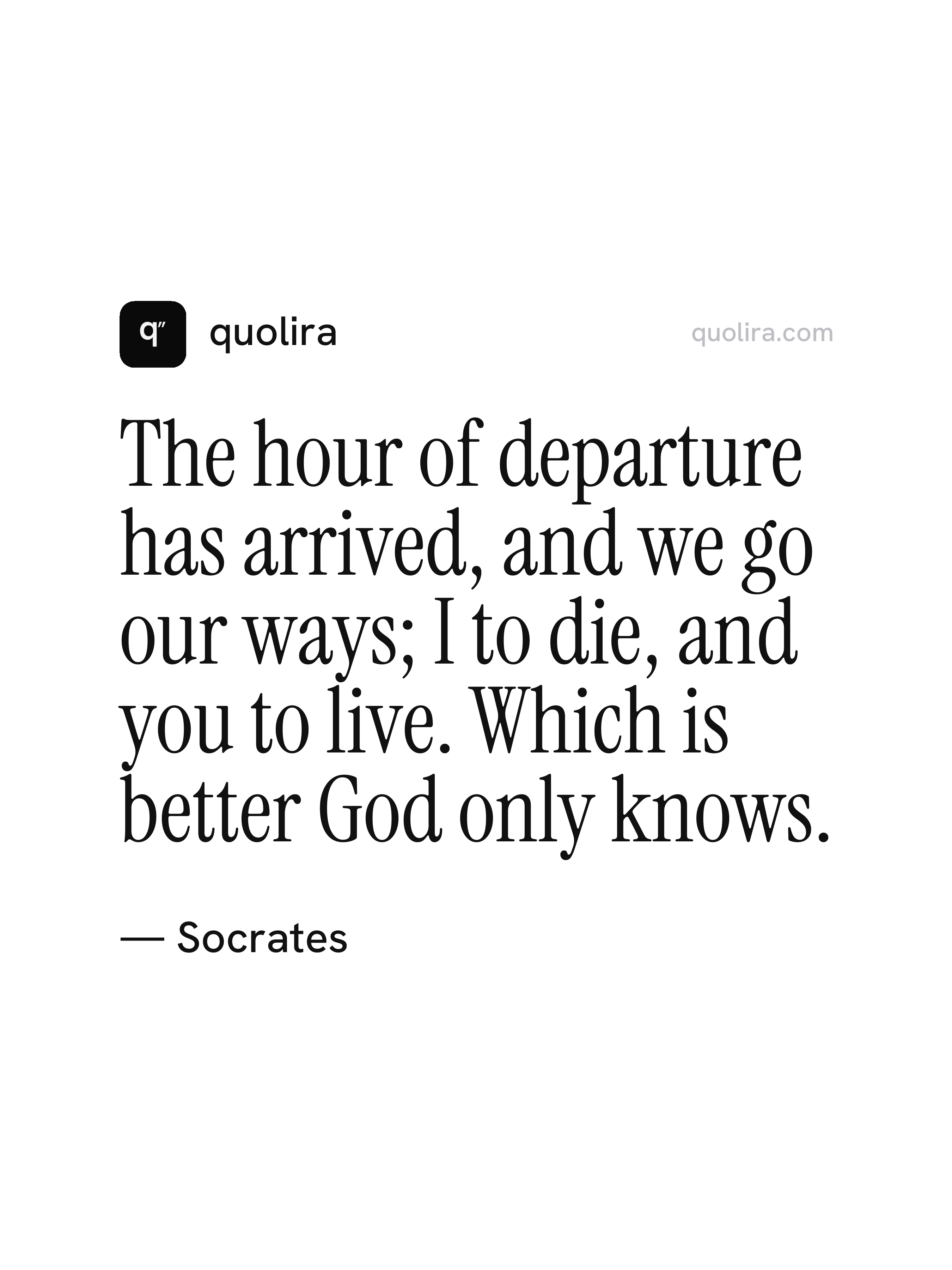
“The hour of departure has arrived, and we go our ways; I to die, and you to live. Which is better God only knows.”
Socrates · Plato, Apology
 quolira
.com
quolira
quolira.com
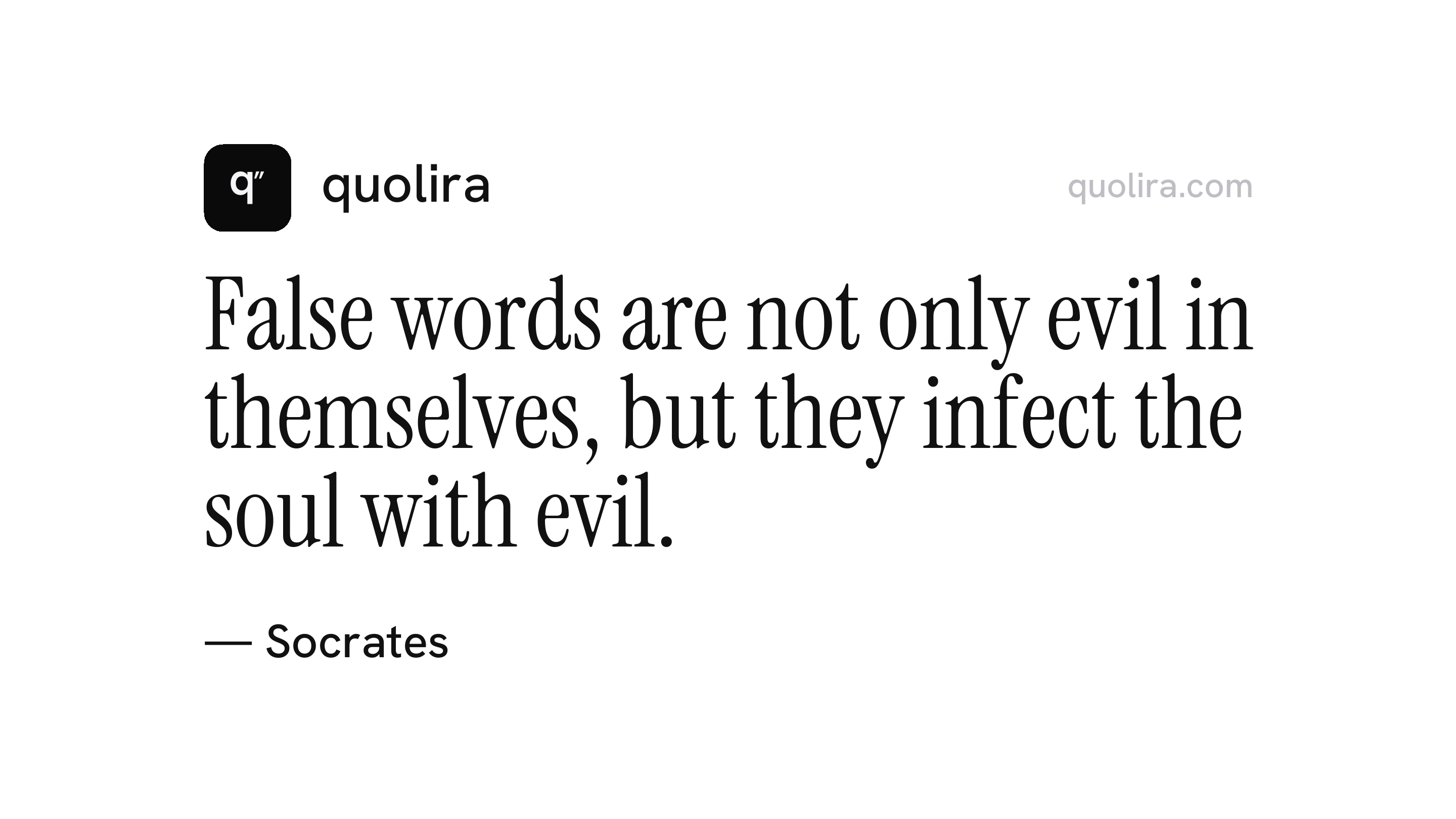
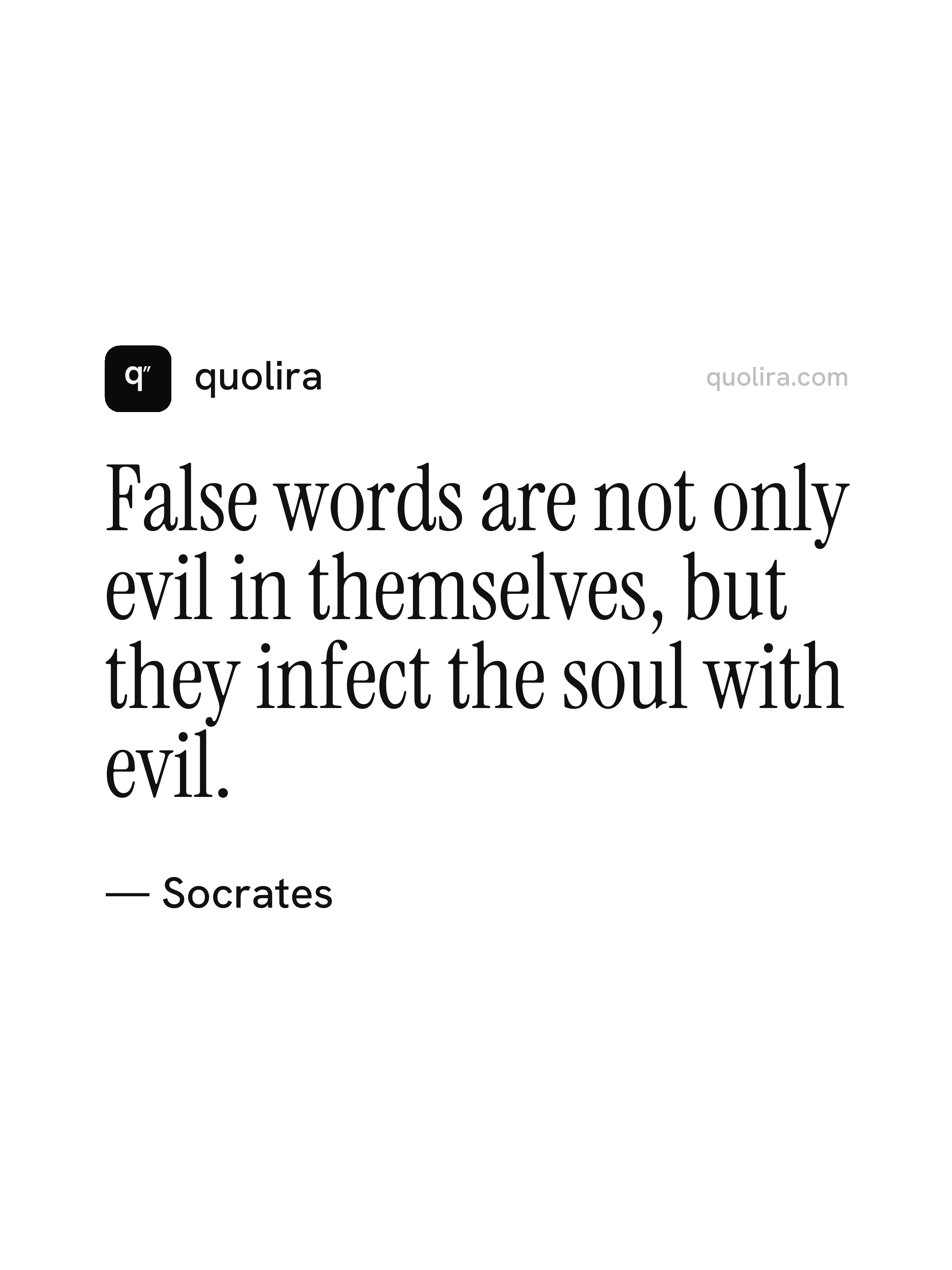
This statement treats dishonesty as far more than a social failing or a practical inconvenience. A false word is described as something that does damage from the inside, corrupting the character of the person who speaks it rather than simply misleading whoever hears it. The image is almost medicinal in reverse: just as a disease spreads through a body, habitual falsehood spreads through a person's inner life, gradually eroding their capacity for integrity and clear thinking.
These words appear in Plato's Phaedo, a dialogue set on the day of Socrates' death. The conversation in that work ranges over questions of the soul, the afterlife, and the nature of truth, making the warning against false words especially pointed. Socrates argues there that clinging to poor reasoning or false beliefs is dangerous not just intellectually but morally, and this line captures that concern in a memorable, concentrated form. The Phaedo is one of the most carefully constructed of Plato's dialogues and is a primary source for Socratic ethics.
Socrates was a philosopher in fifth-century BCE Athens who made the examined life his central commitment. He believed that the health of the soul depended on a rigorous and honest relationship with truth, and he modeled this belief throughout his life and at his death. Because he wrote nothing himself, his ideas survive through Plato's dialogues, of which the Phaedo is among the most philosophically rich and personally moving.
“The hour of departure has arrived, and we go our ways; I to die, and you to live. Which is better God only knows.”
Socrates · Plato, Apology
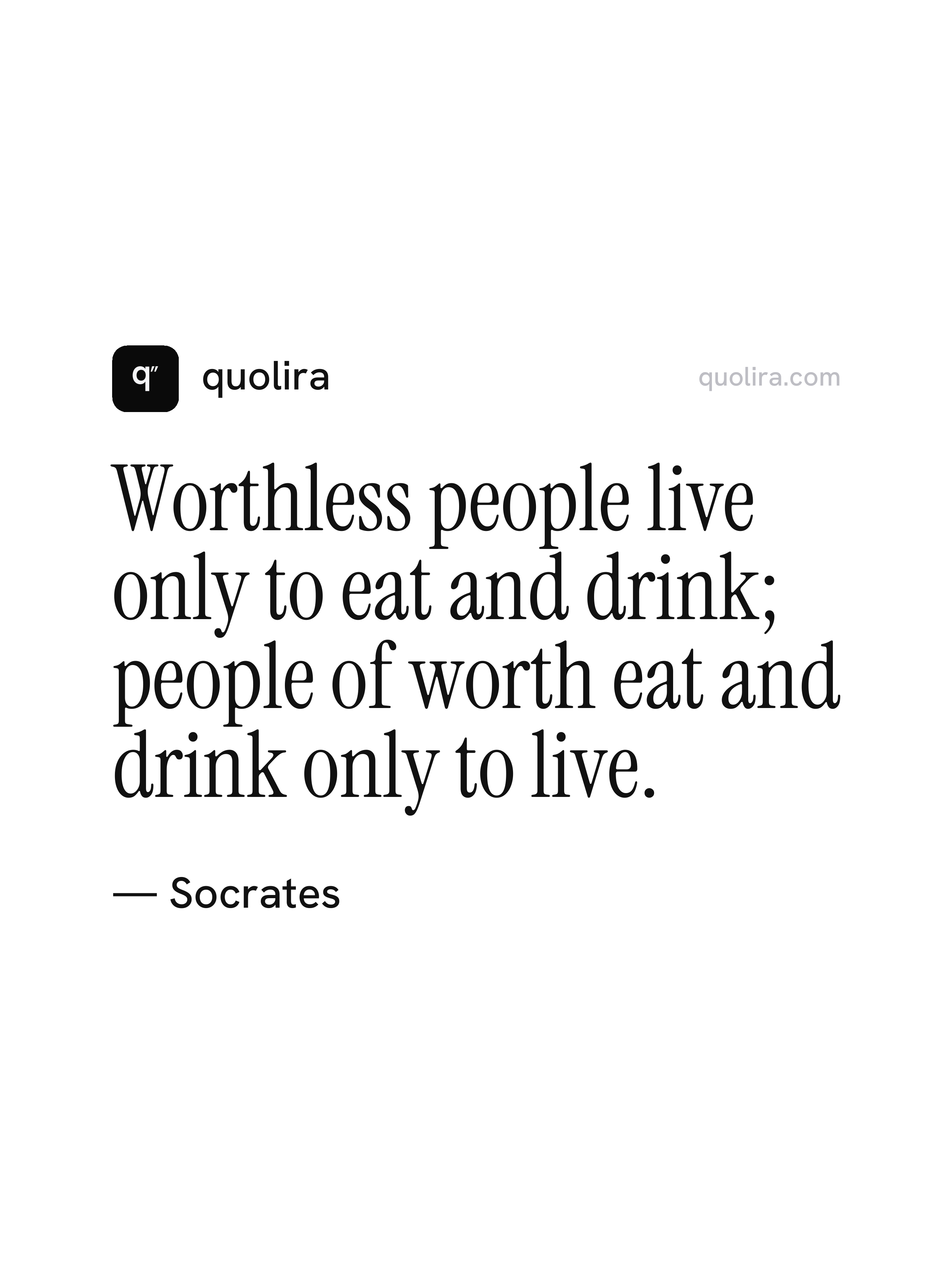
“Worthless people live only to eat and drink; people of worth eat and drink only to live.”
Socrates · attributed
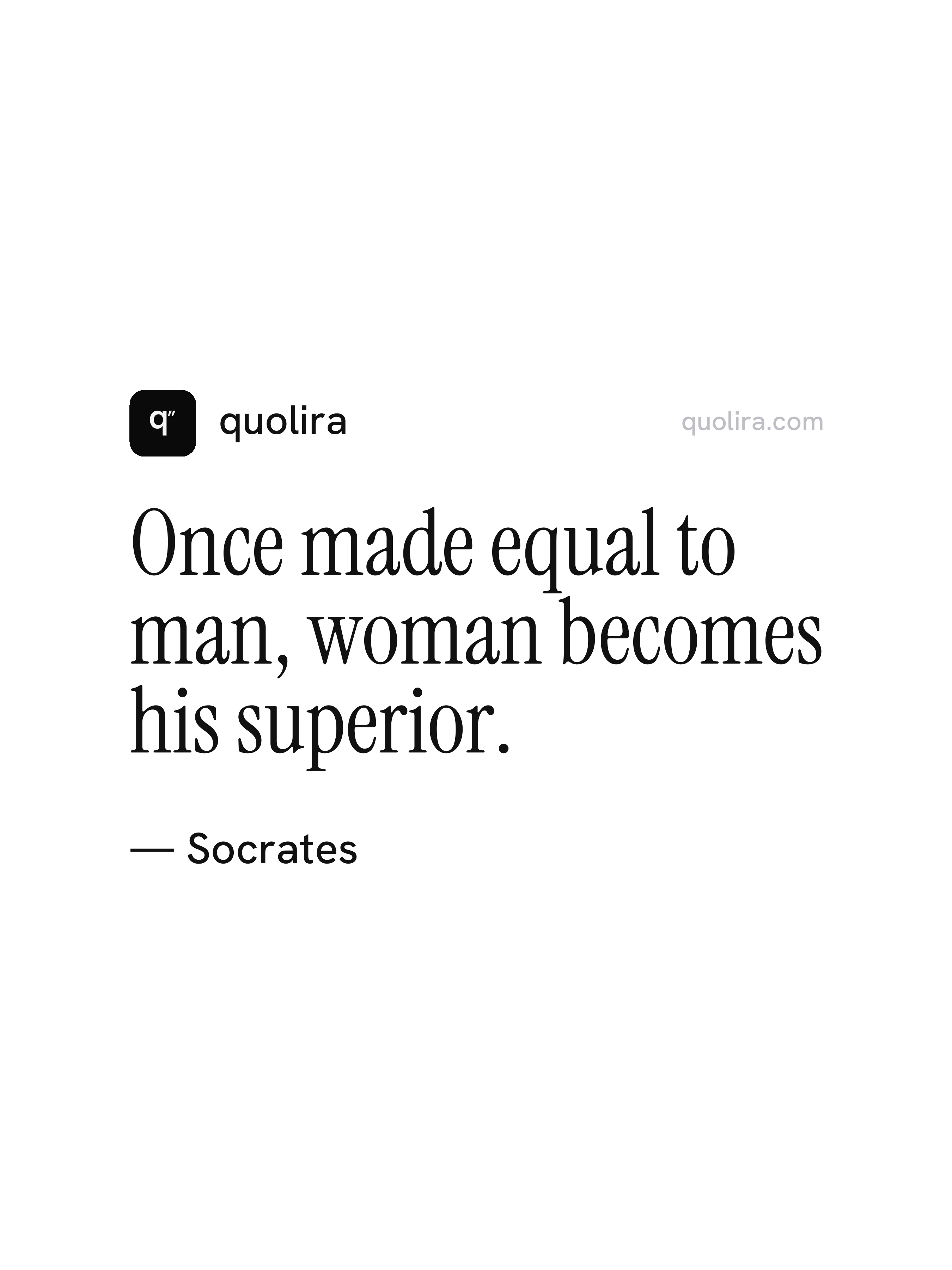
“Once made equal to man, woman becomes his superior.”
Socrates · attributed
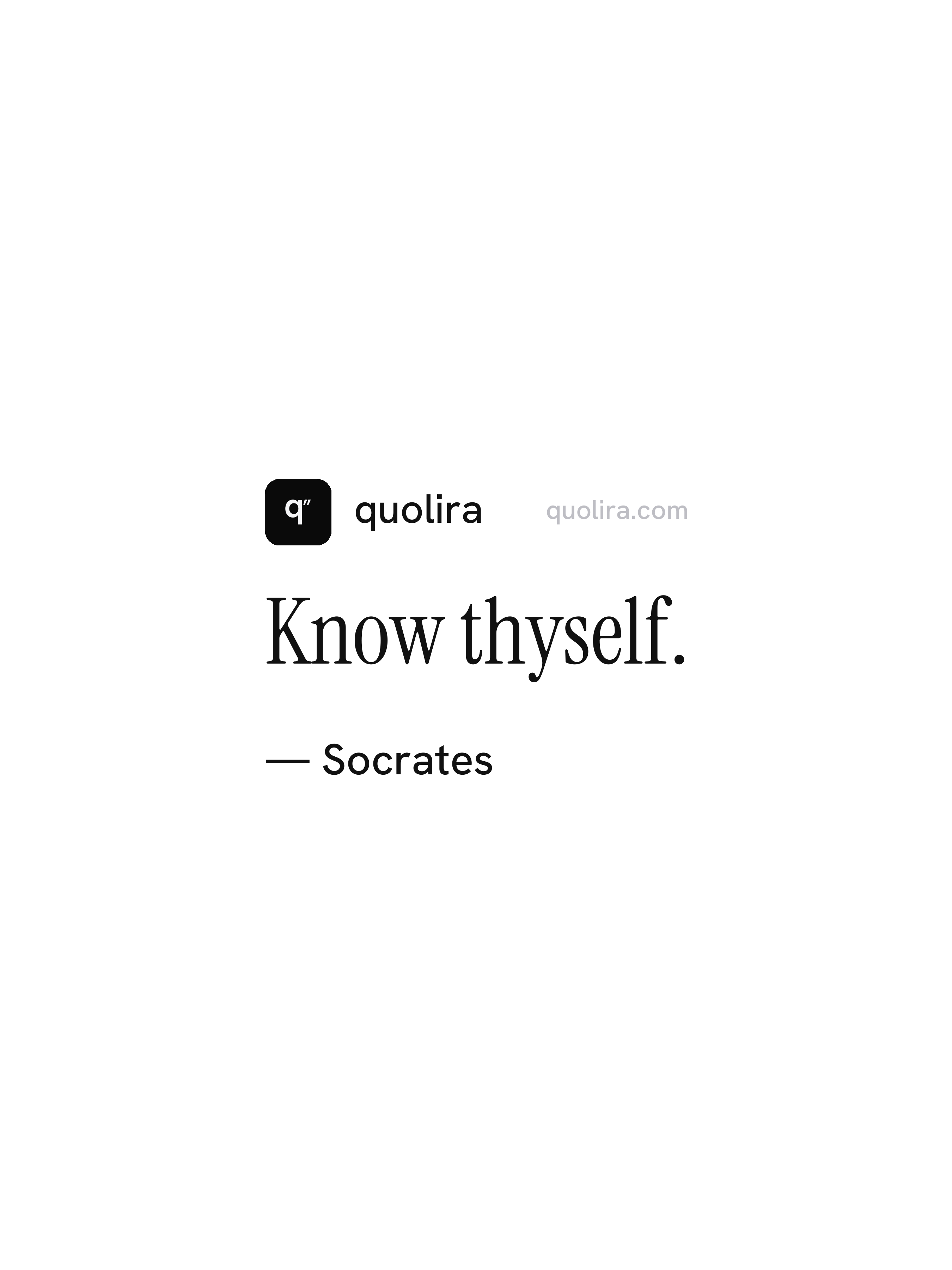
“Know thyself.”
Socrates · adopted from the Delphic maxim
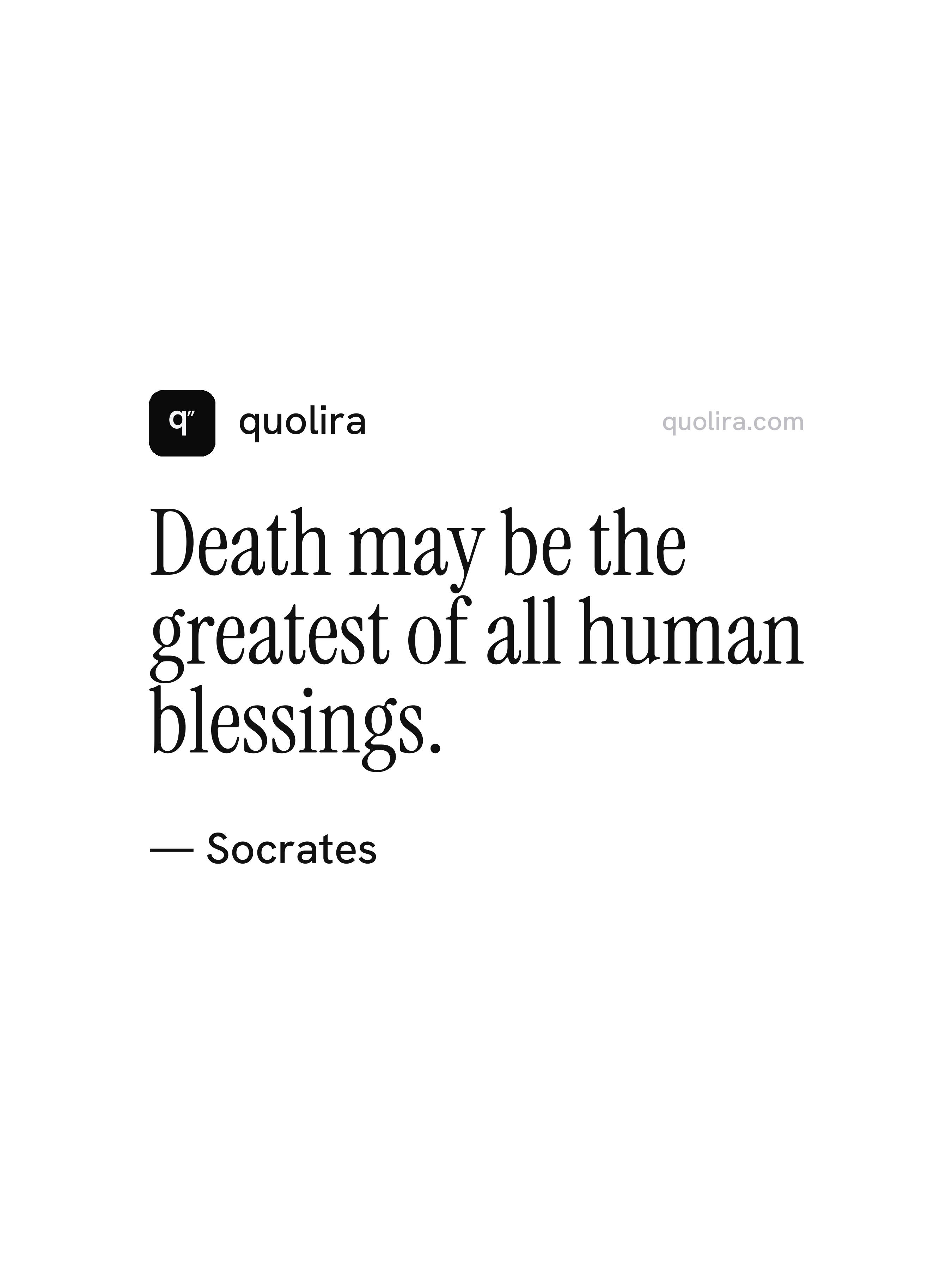
“Death may be the greatest of all human blessings.”
Socrates · Plato, Apology
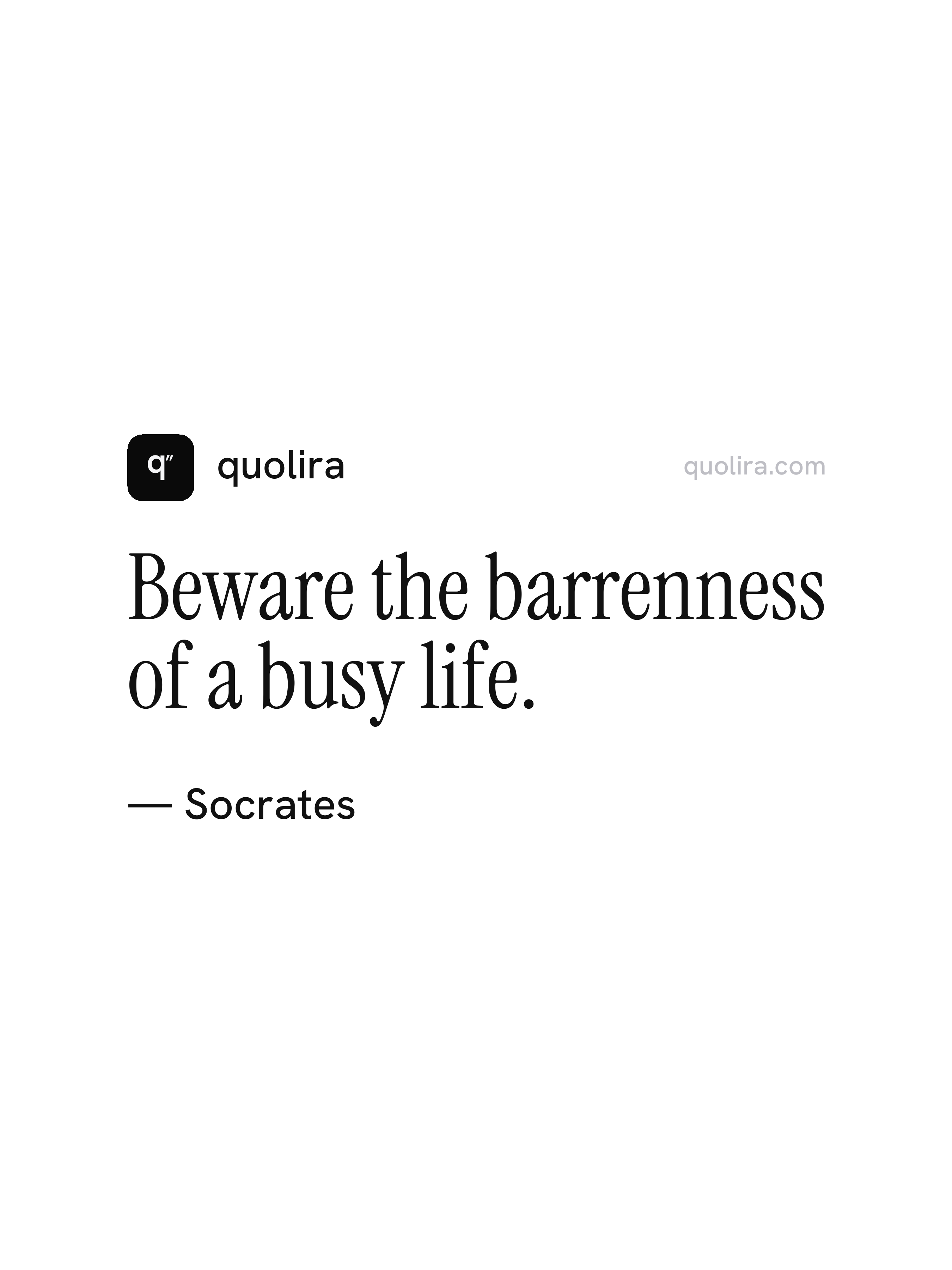
“Beware the barrenness of a busy life.”
Socrates · attributed
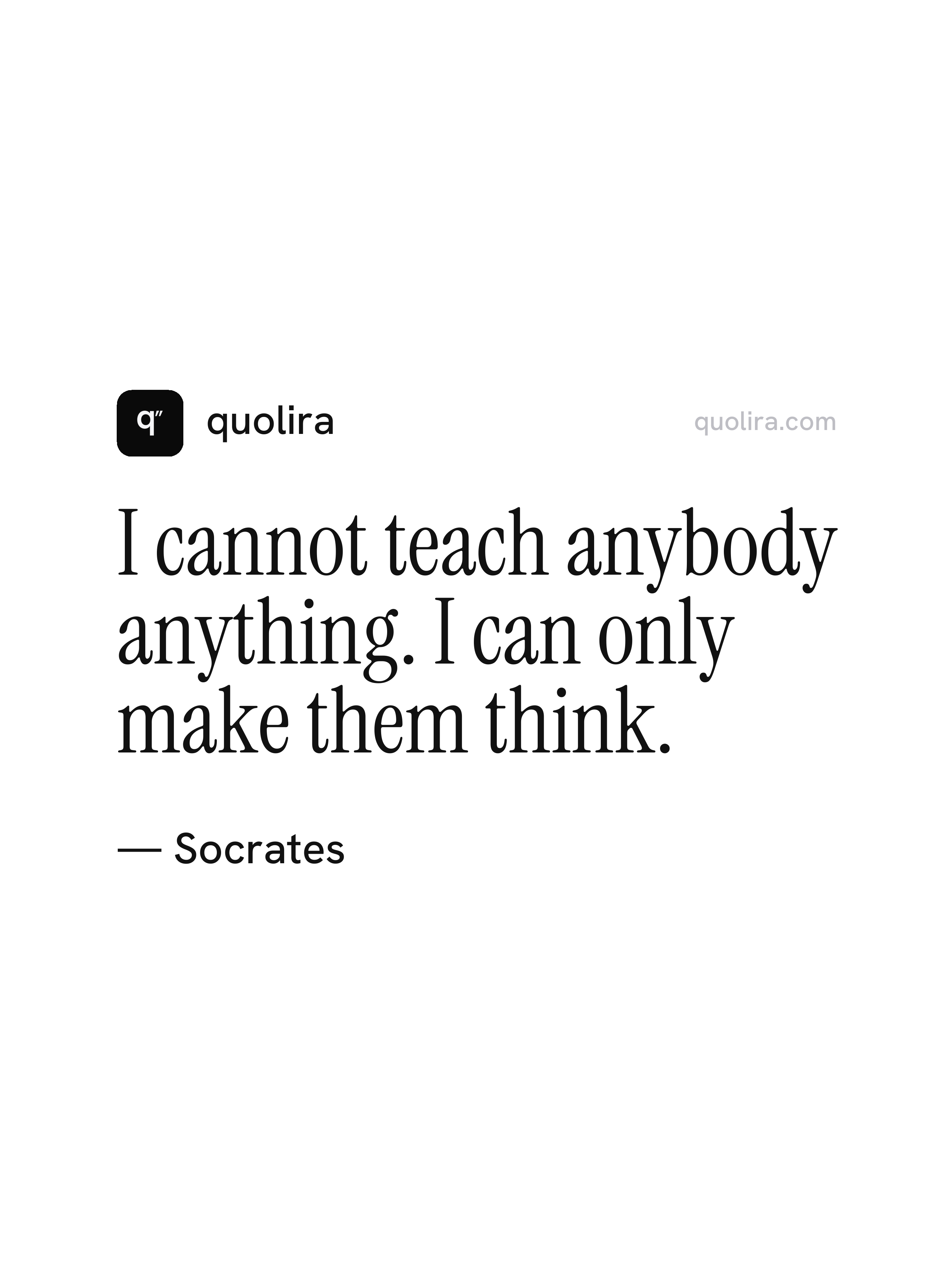
“I cannot teach anybody anything. I can only make them think.”
Socrates · attributed
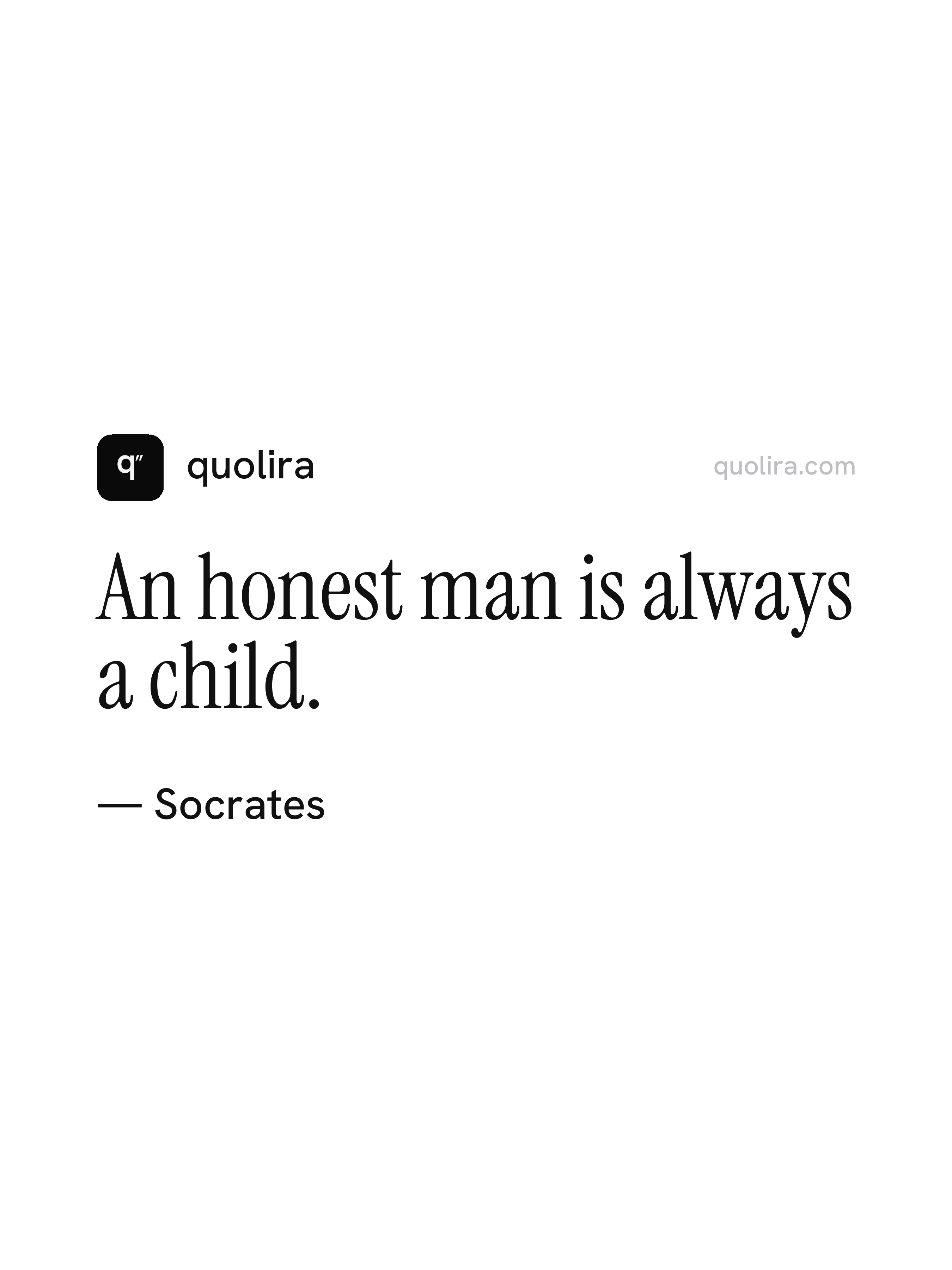
“An honest man is always a child.”
Socrates · attributed
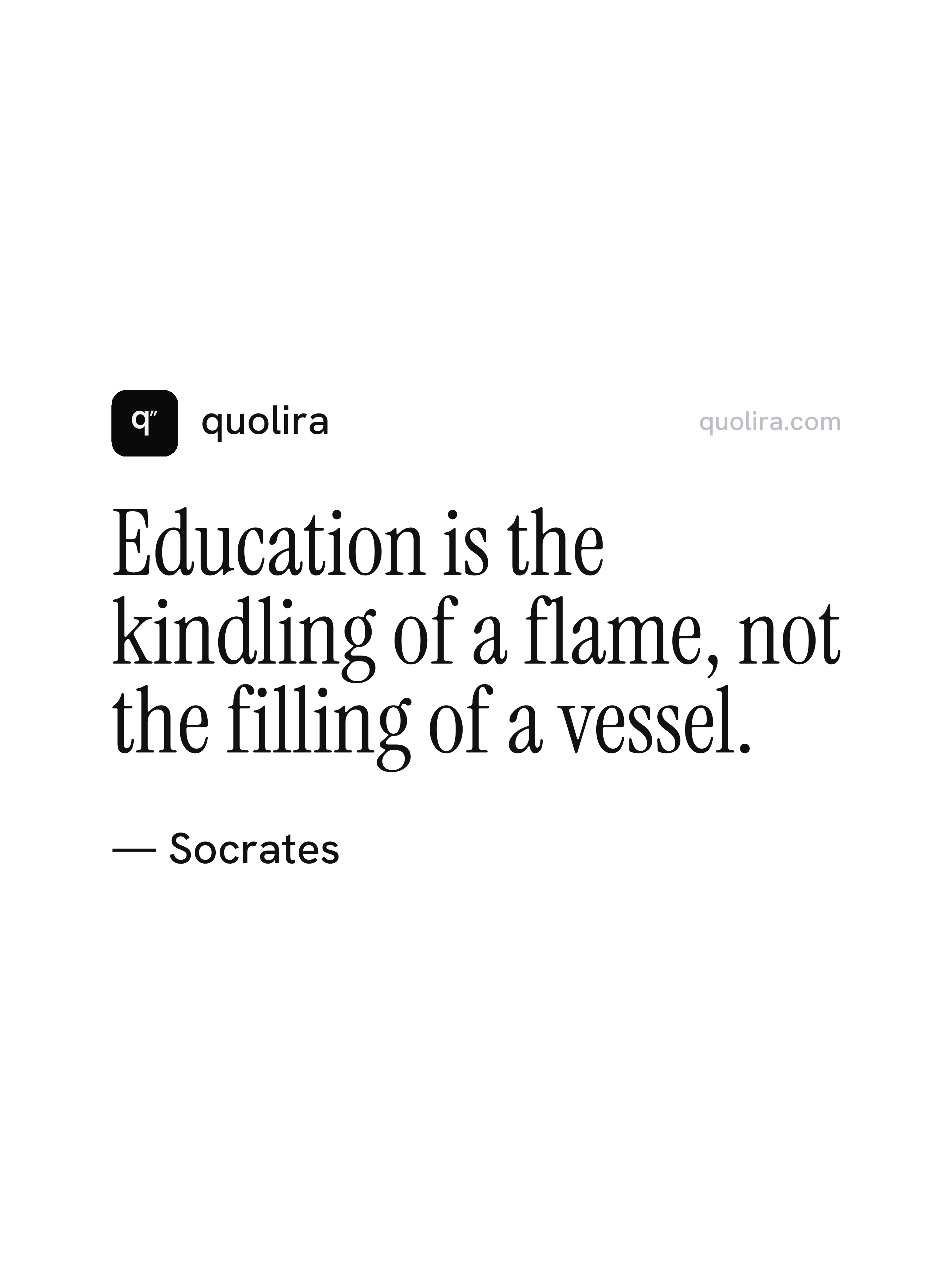
“Education is the kindling of a flame, not the filling of a vessel.”
Socrates · attributed
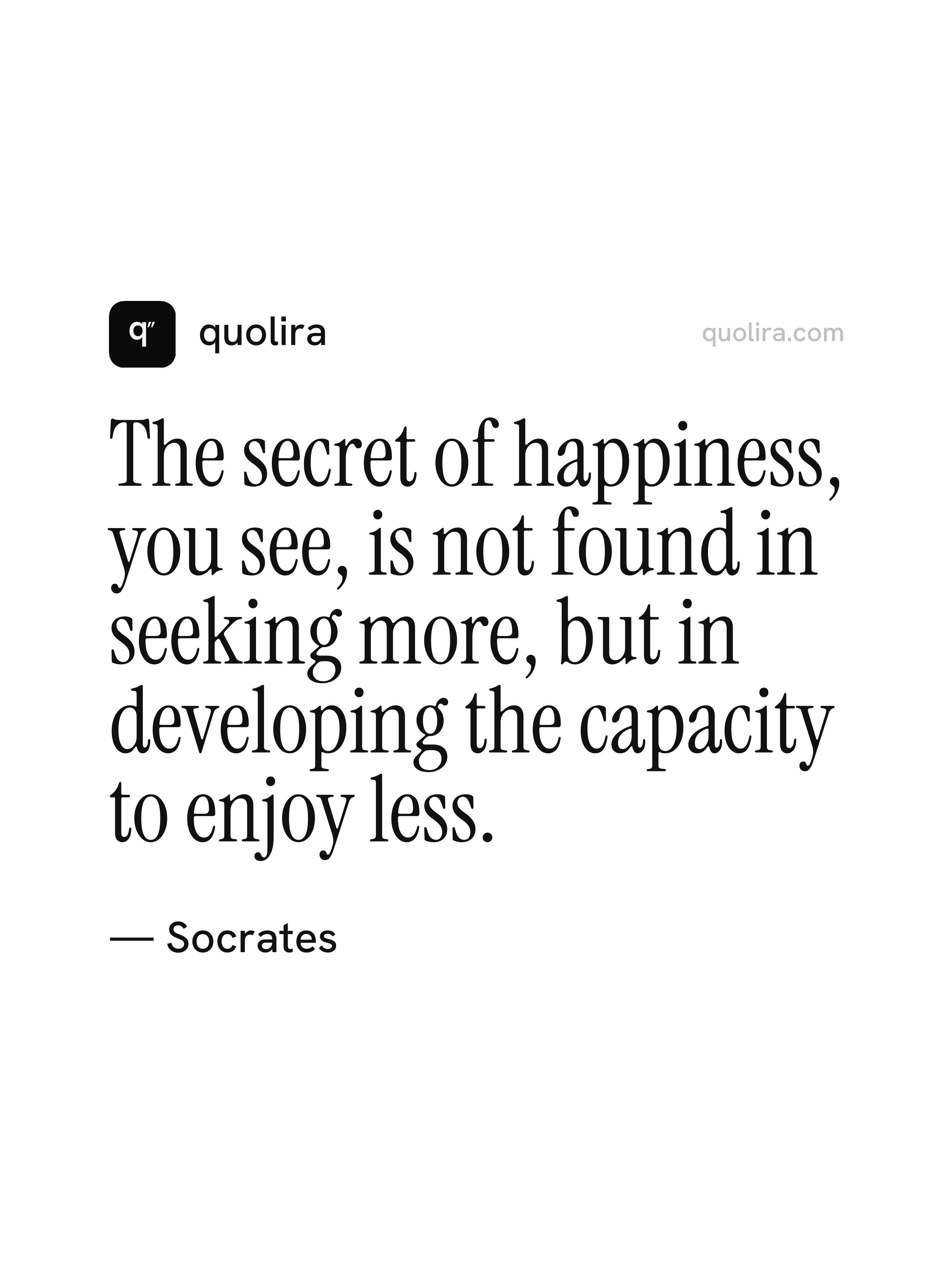
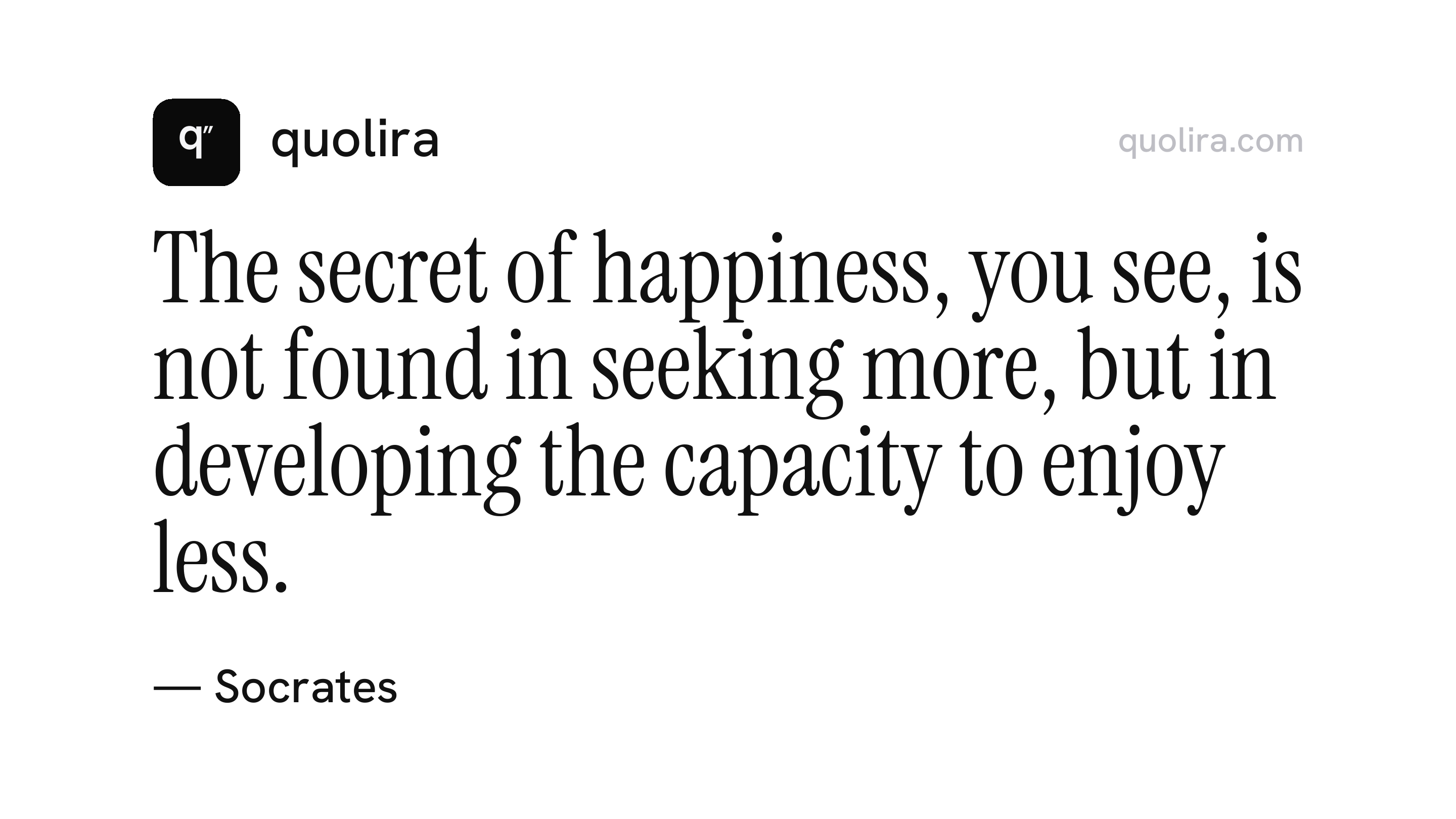
“The secret of happiness, you see, is not found in seeking more, but in developing the capacity to enjoy less.”
Socrates · attributed
“Let him who would move the world first move himself.”
Socrates · attributed
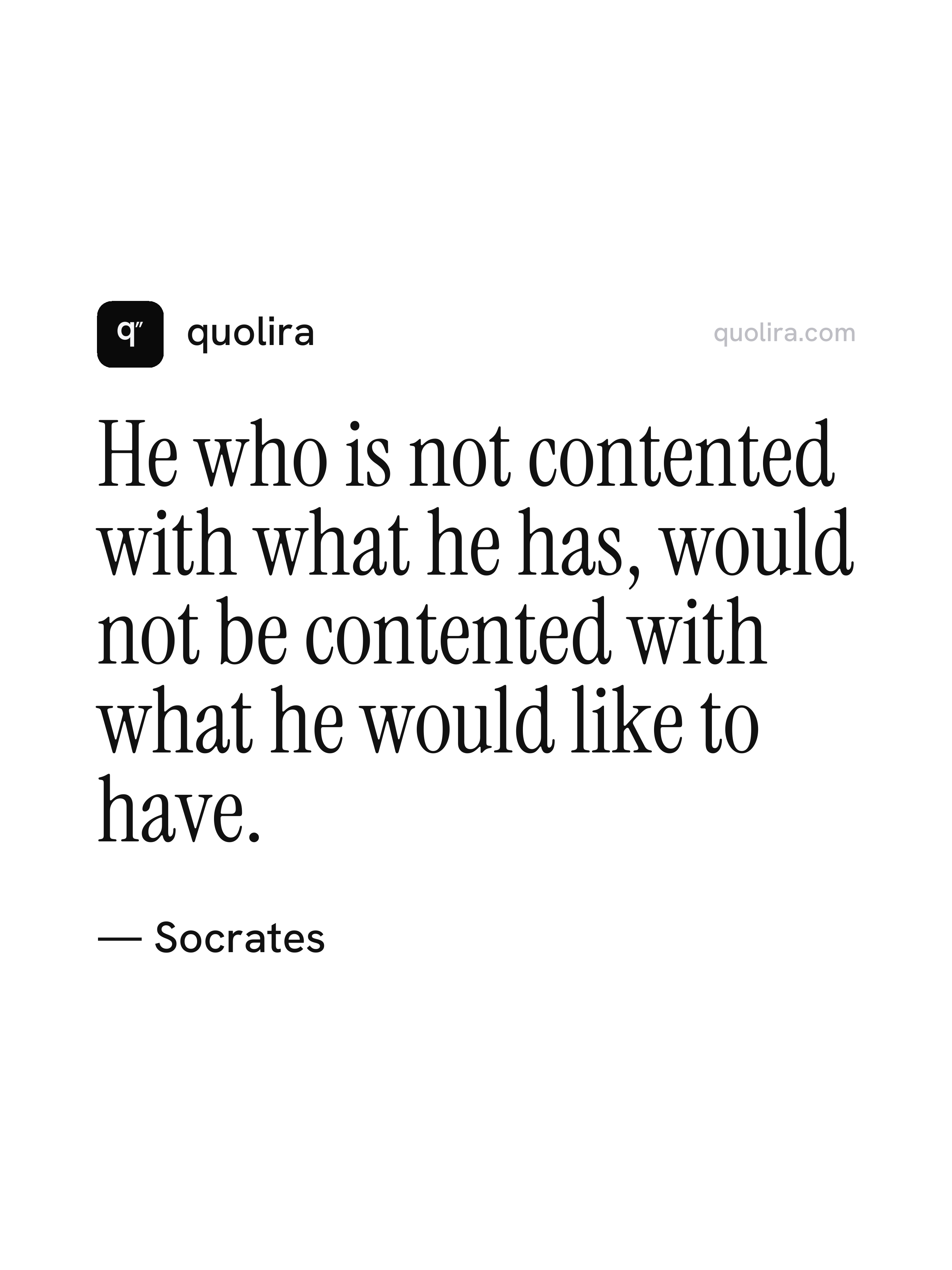
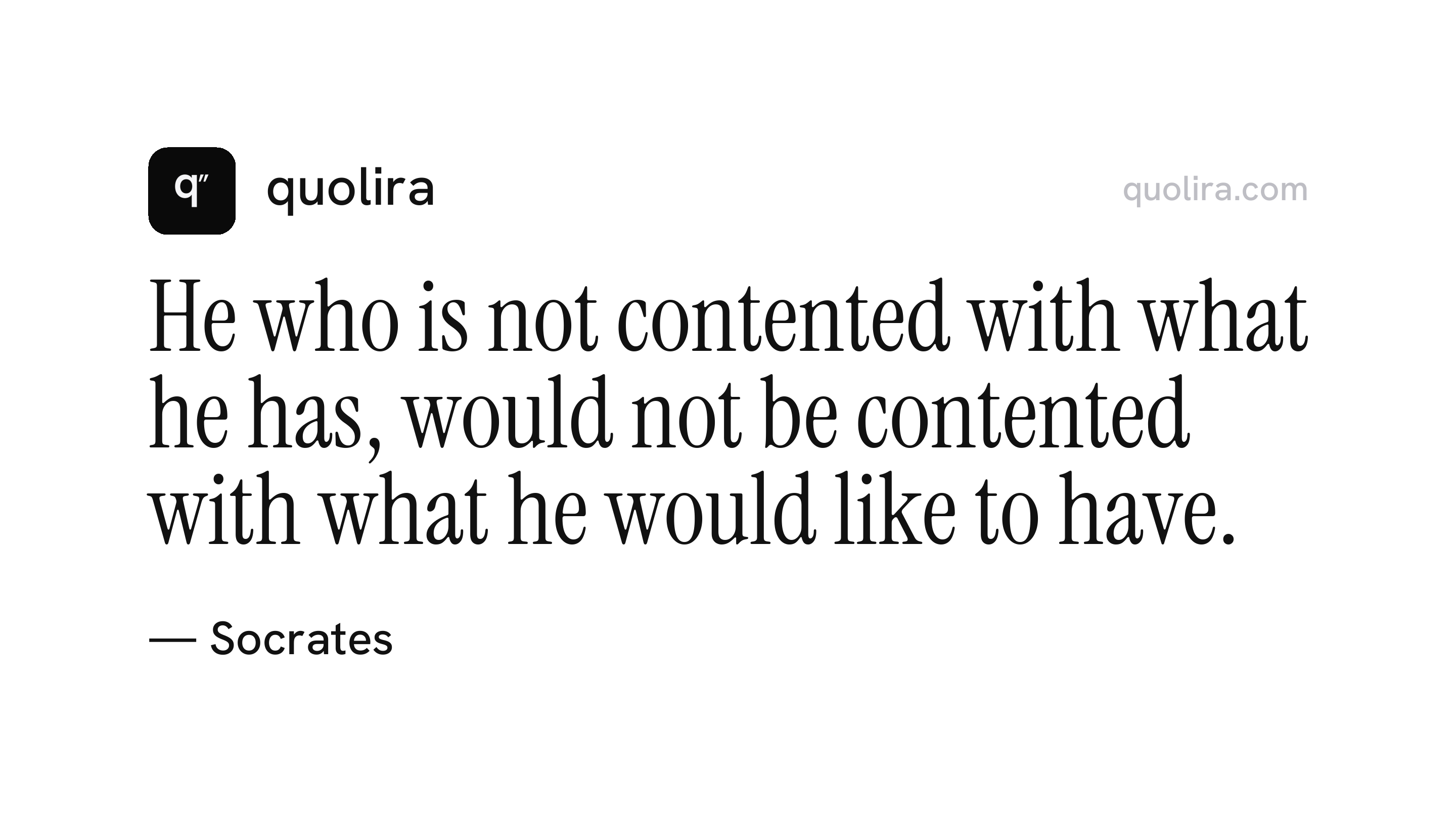
“He who is not contented with what he has, would not be contented with what he would like to have.”
Socrates · attributed