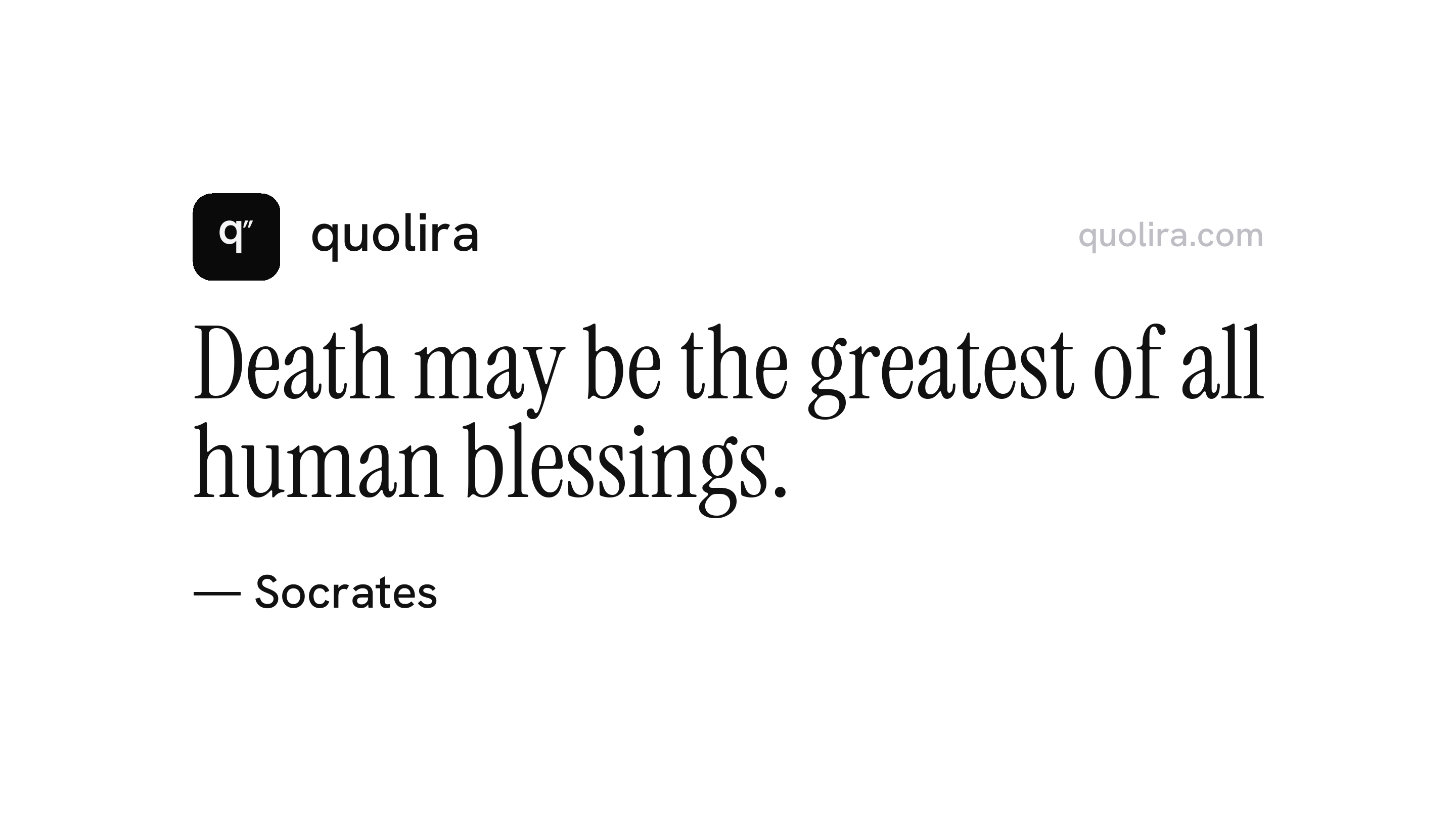
“Death may be the greatest of all human blessings.”
Socrates · Plato, Apology
 quolira
.com
quolira
quolira.com
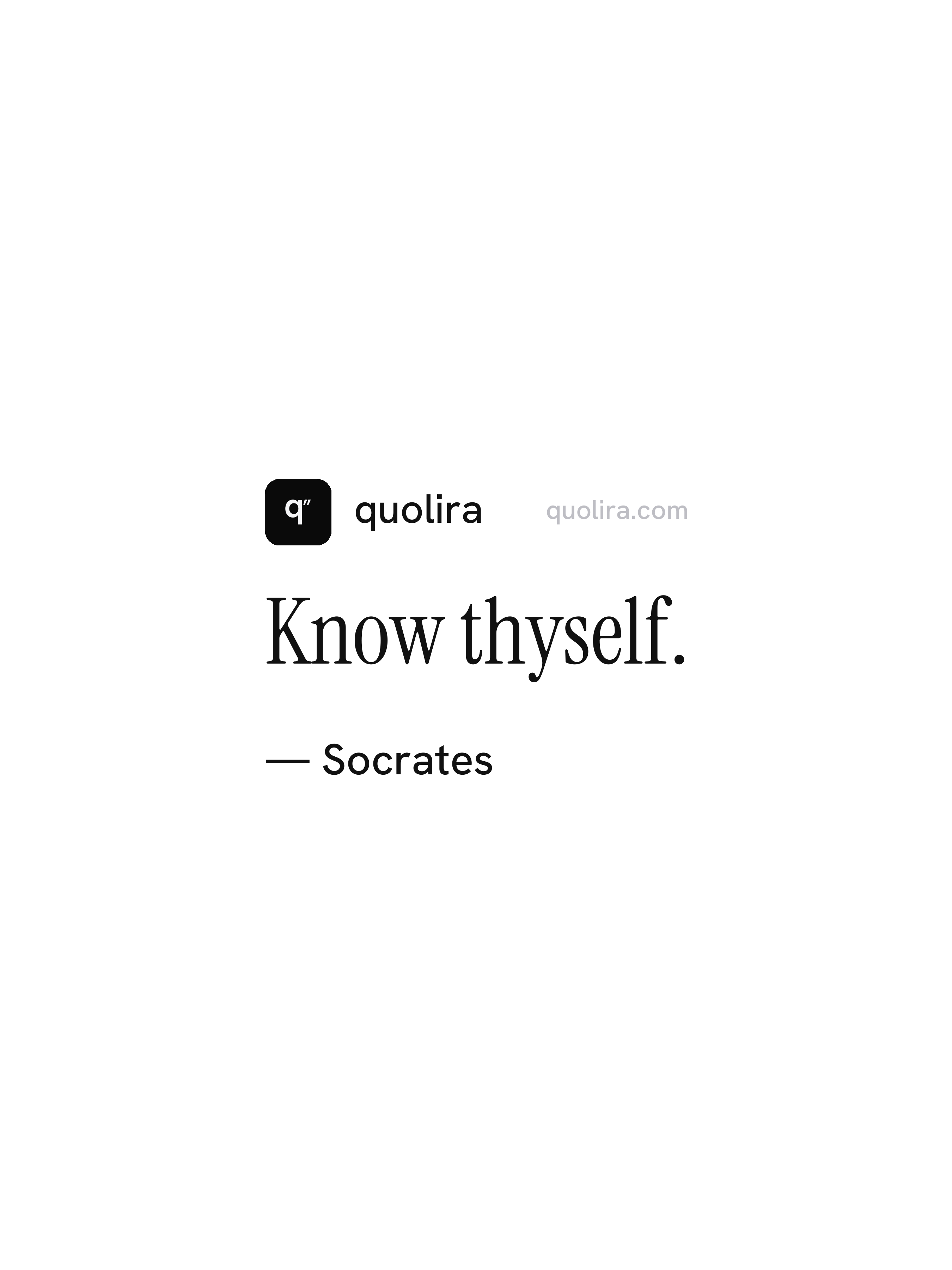
These two words carry an enormous amount of philosophical weight. On the surface the instruction is simple: turn your attention inward and examine who you actually are. But Socrates used this idea as a gateway to deeper questions about human nature, virtue, and the limits of knowledge. Truly knowing yourself means understanding not just your preferences and habits, but your values, your blind spots, and the boundaries of what you can honestly claim to know. It is a call to honest, sustained self-examination rather than a quick glance inward.
The phrase was inscribed at the Temple of Apollo at Delphi in ancient Greece, where it stood as one of a set of guiding maxims. Socrates adopted it and made it central to his philosophical practice, treating it as a foundation for ethical life and intellectual humility. Plato's dialogues show Socrates returning again and again to the idea that unexamined assumptions are dangerous, and that wisdom begins with recognizing the edges of your own understanding.
Socrates lived in Athens during the fifth century BCE and devoted his life to philosophical conversation and moral inquiry. He did not write anything down, so his thought survives through the accounts of others, particularly his student Plato. His habit of questioning public figures and exposing contradictions in their thinking made him both celebrated and controversial. In 399 BCE he was tried on charges of impiety and corrupting the youth of Athens, convicted, and executed by drinking hemlock.
“Death may be the greatest of all human blessings.”
Socrates · Plato, Apology
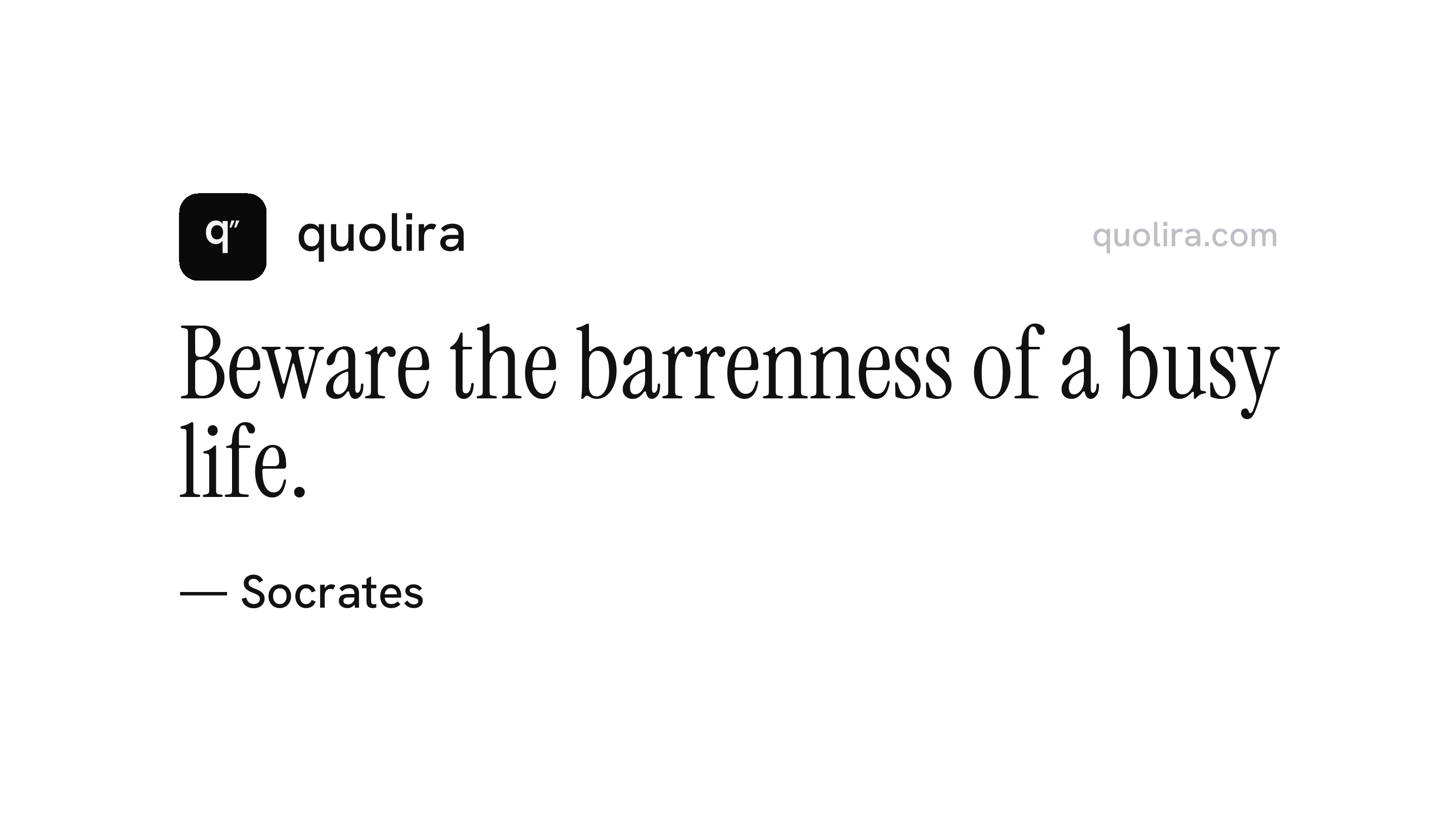
“Beware the barrenness of a busy life.”
Socrates · attributed
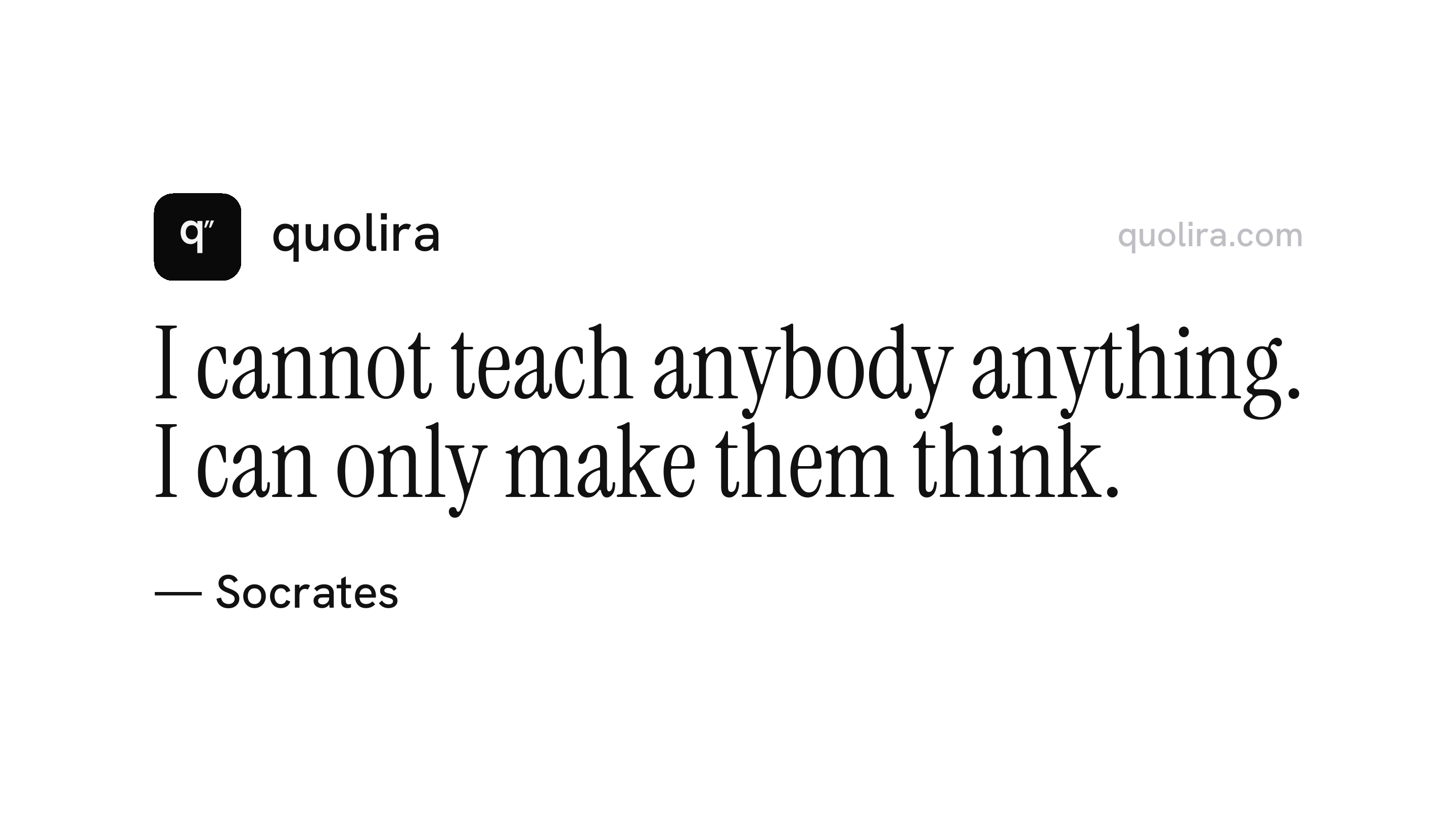
“I cannot teach anybody anything. I can only make them think.”
Socrates · attributed
“An honest man is always a child.”
Socrates · attributed
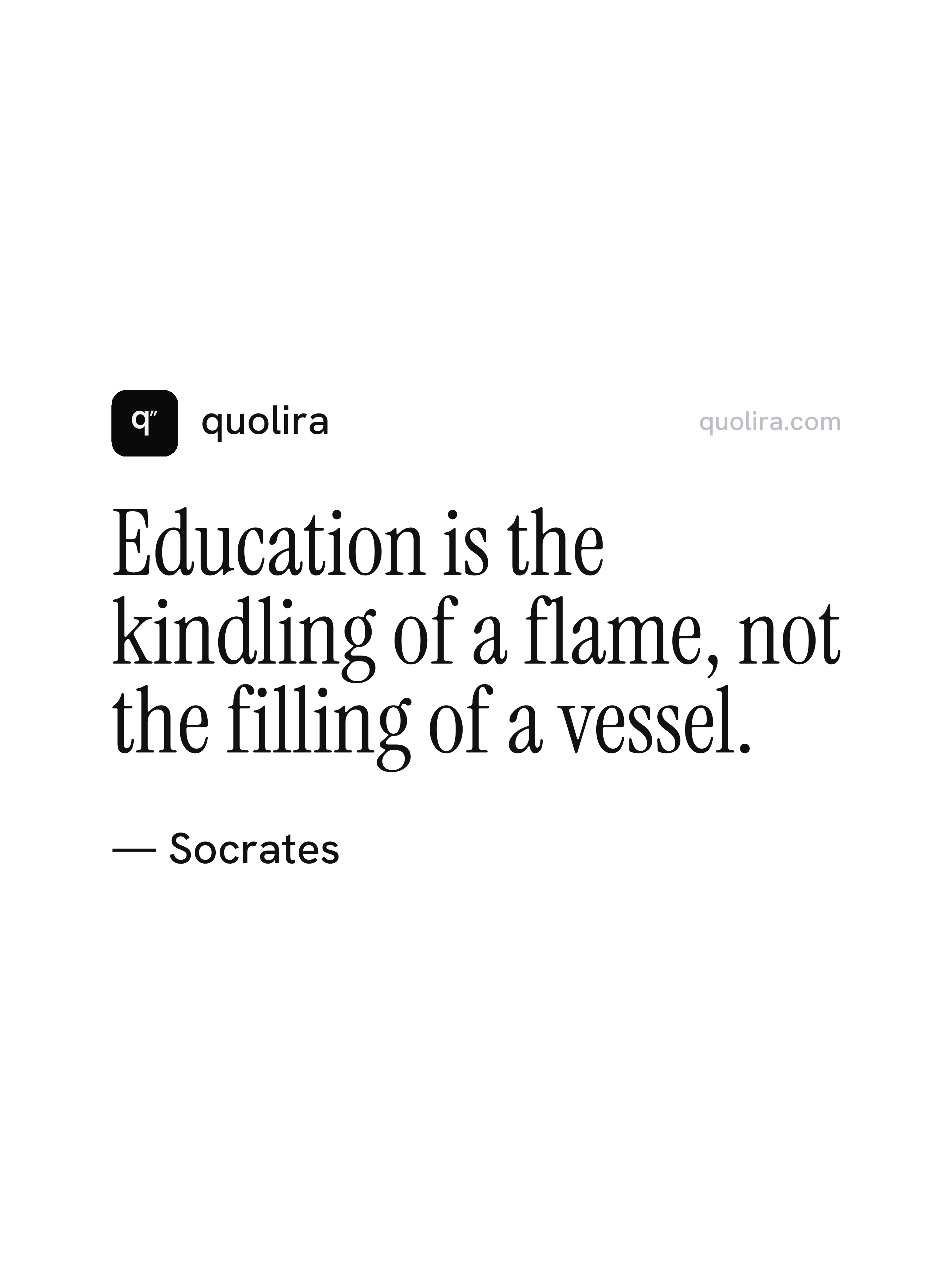
“Education is the kindling of a flame, not the filling of a vessel.”
Socrates · attributed
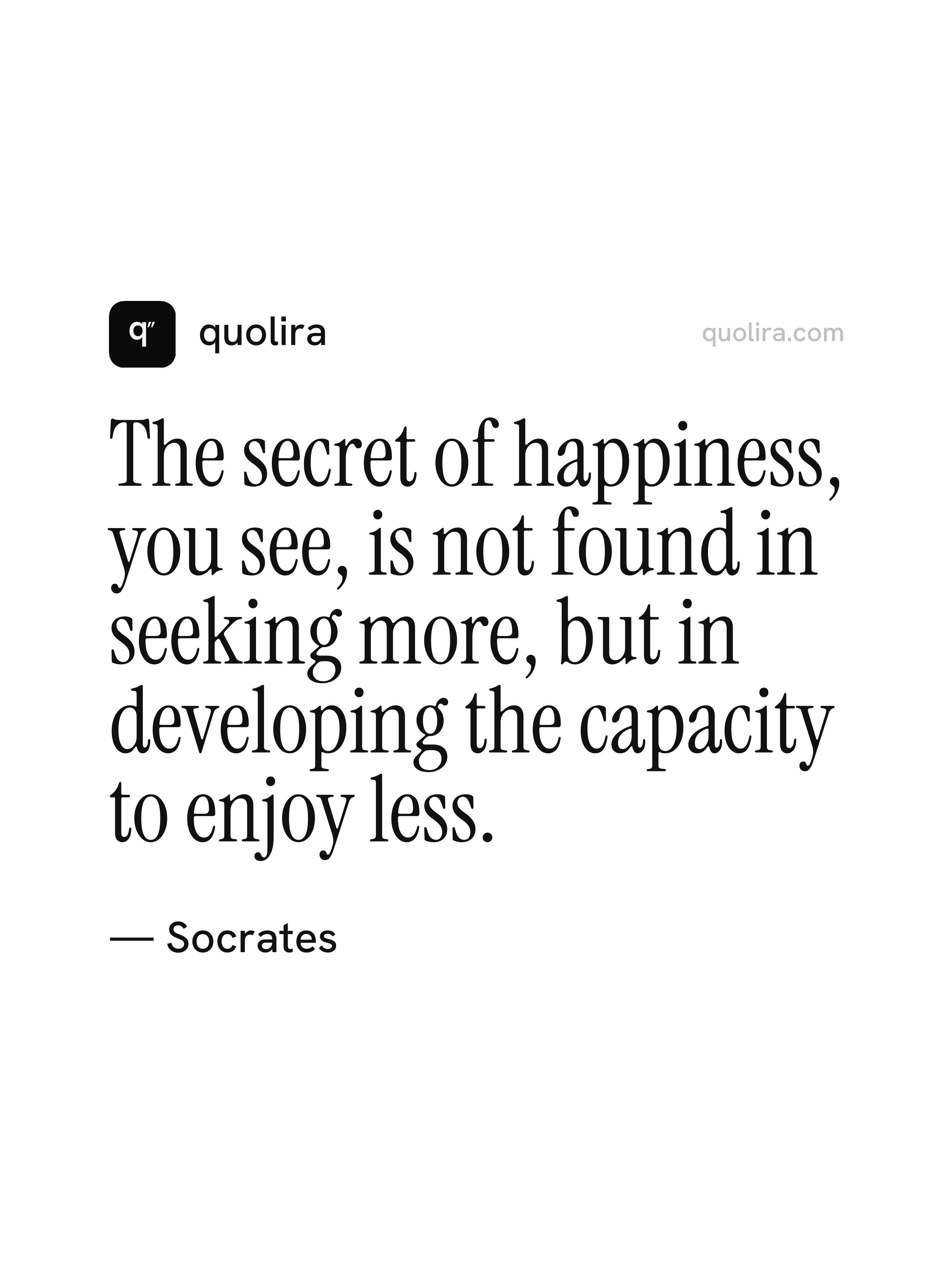
“The secret of happiness, you see, is not found in seeking more, but in developing the capacity to enjoy less.”
Socrates · attributed
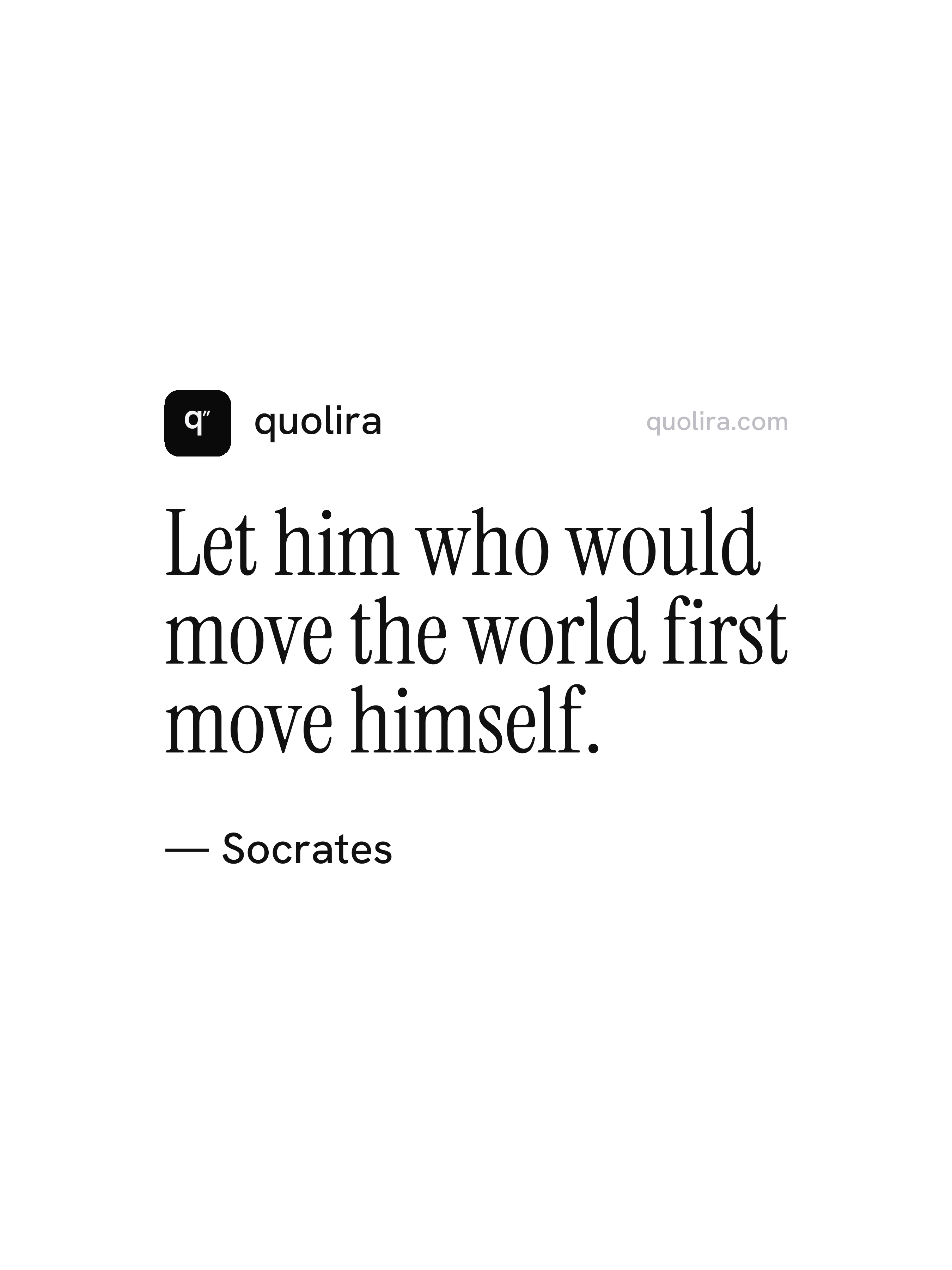
“Let him who would move the world first move himself.”
Socrates · attributed
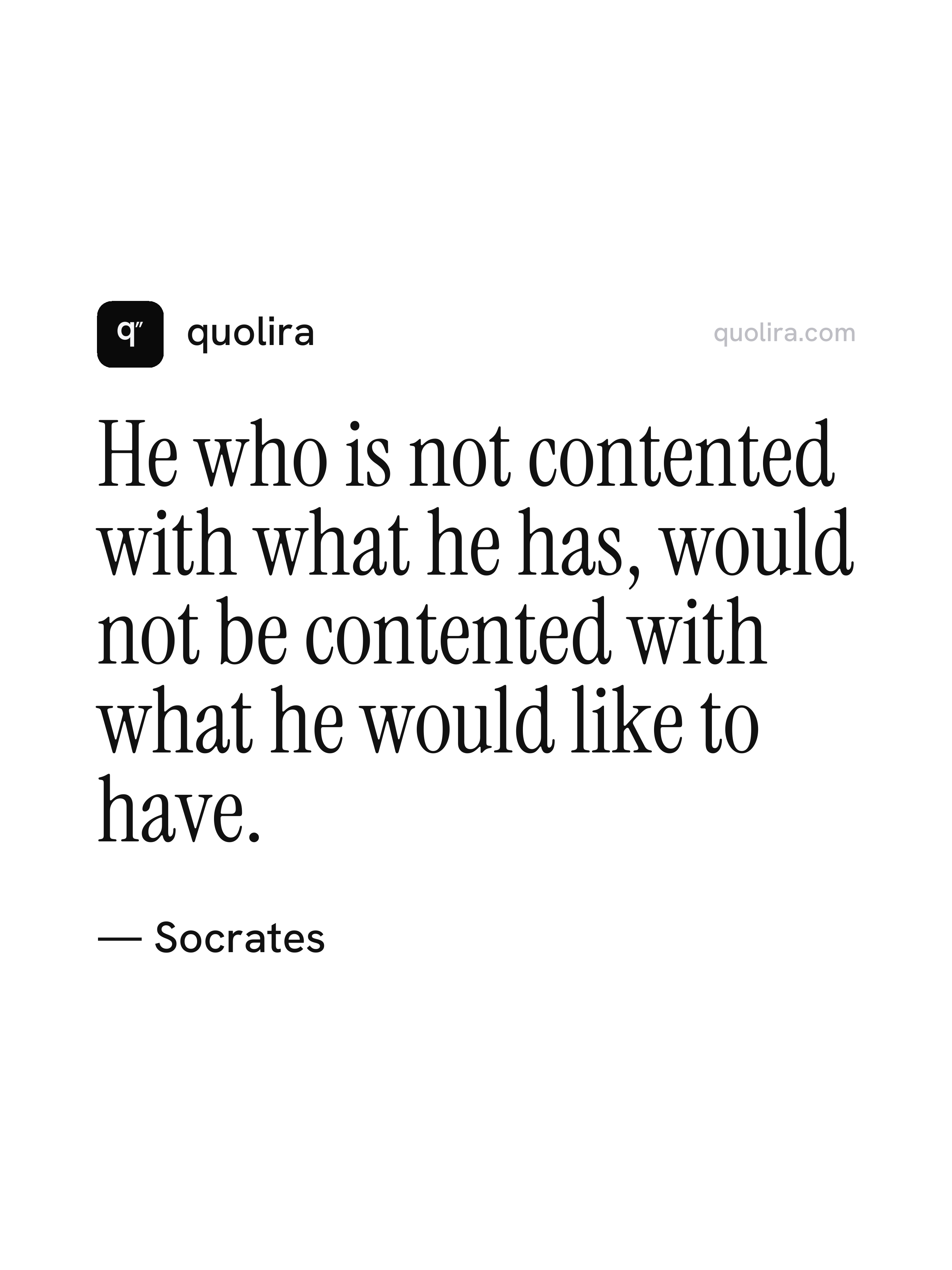
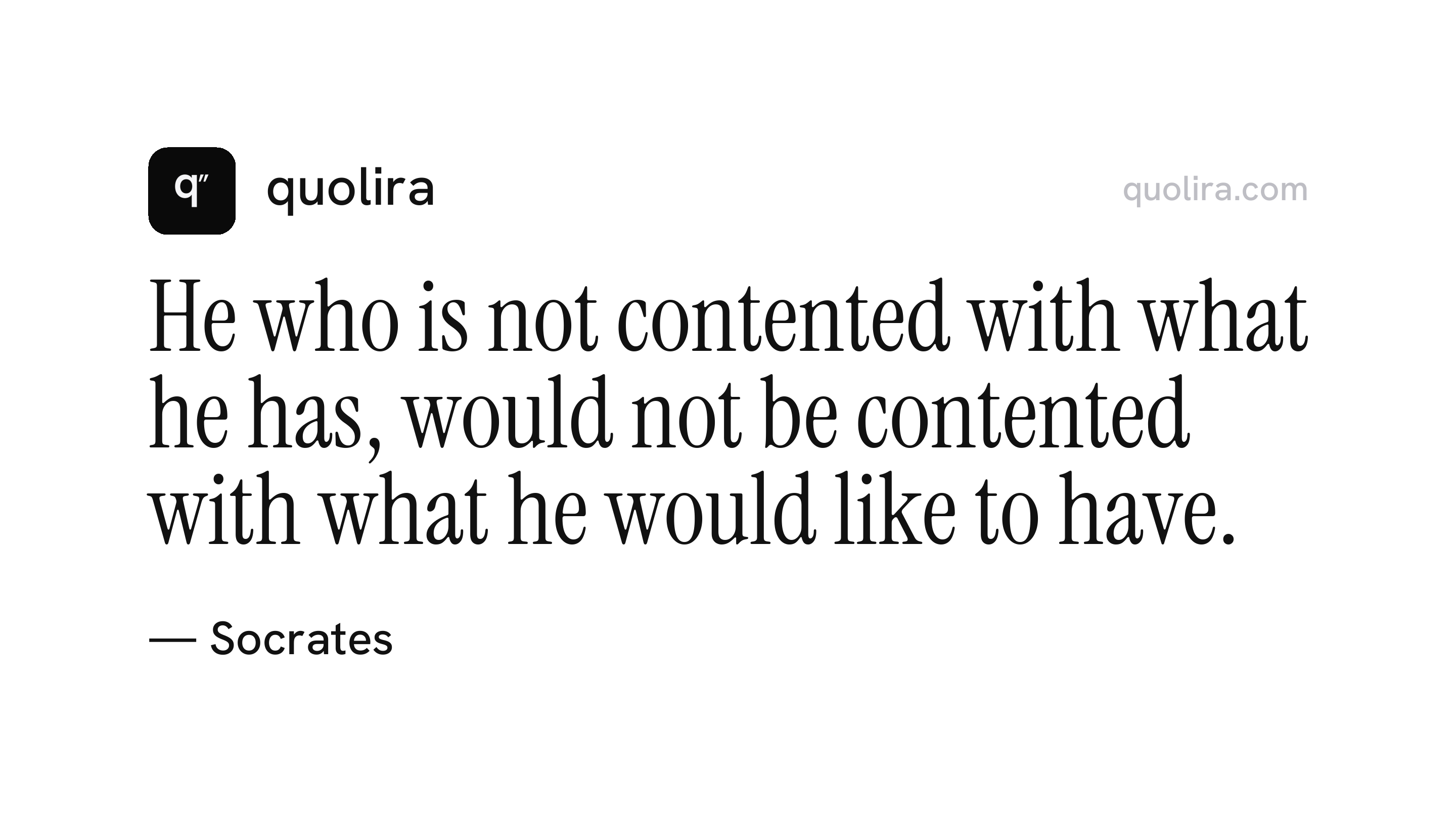
“He who is not contented with what he has, would not be contented with what he would like to have.”
Socrates · attributed
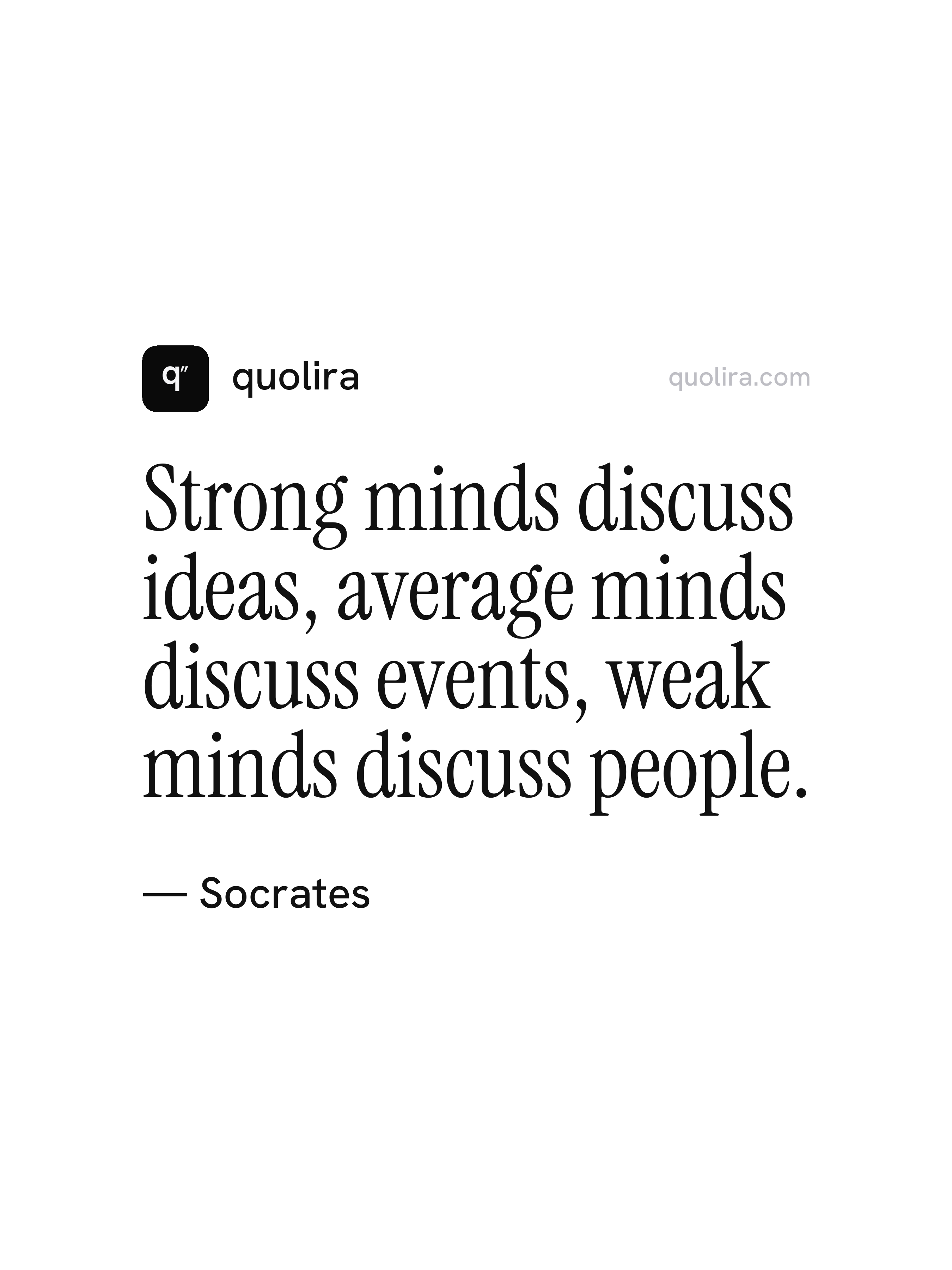
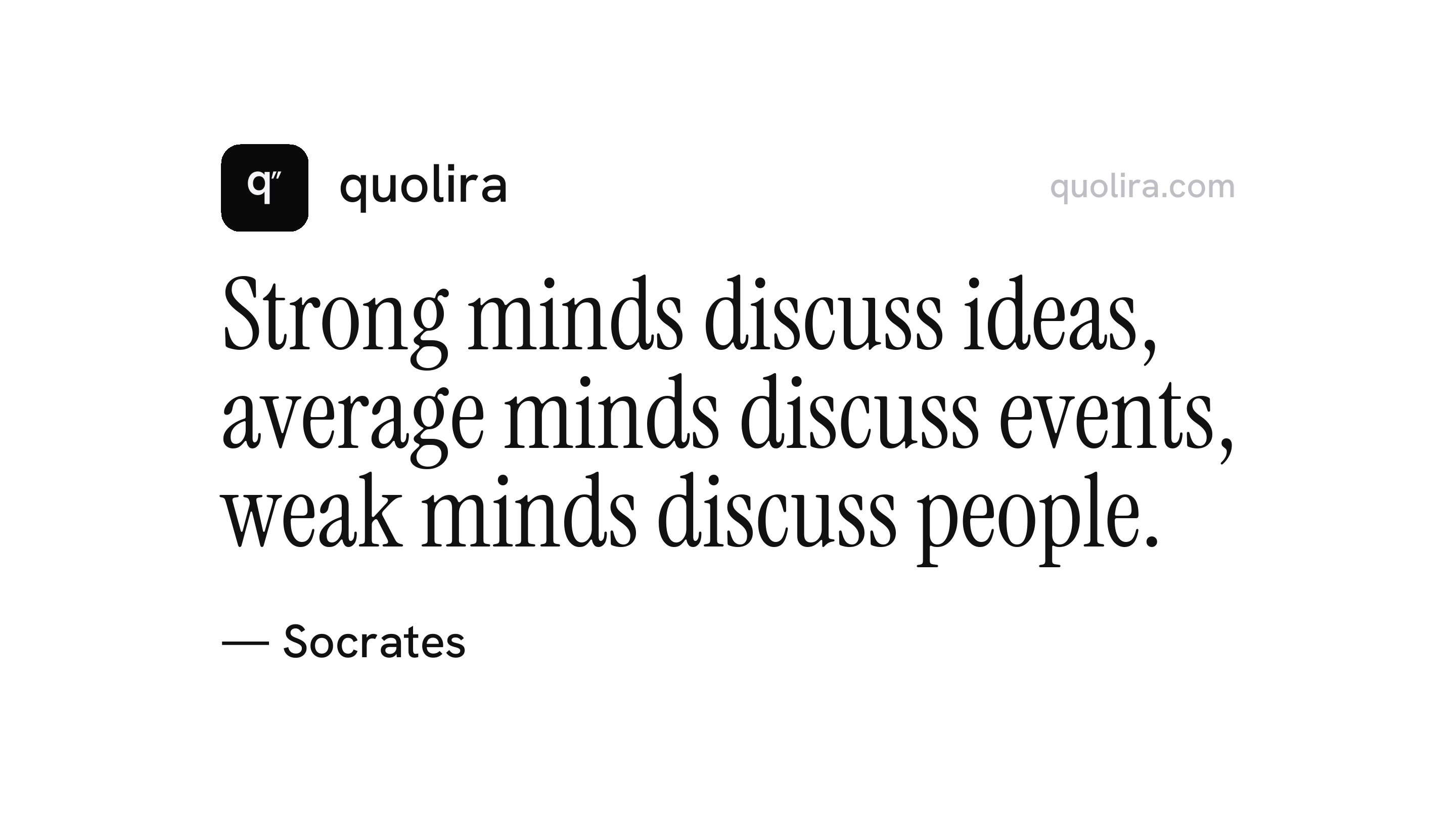
“Strong minds discuss ideas, average minds discuss events, weak minds discuss people.”
Socrates · attributed
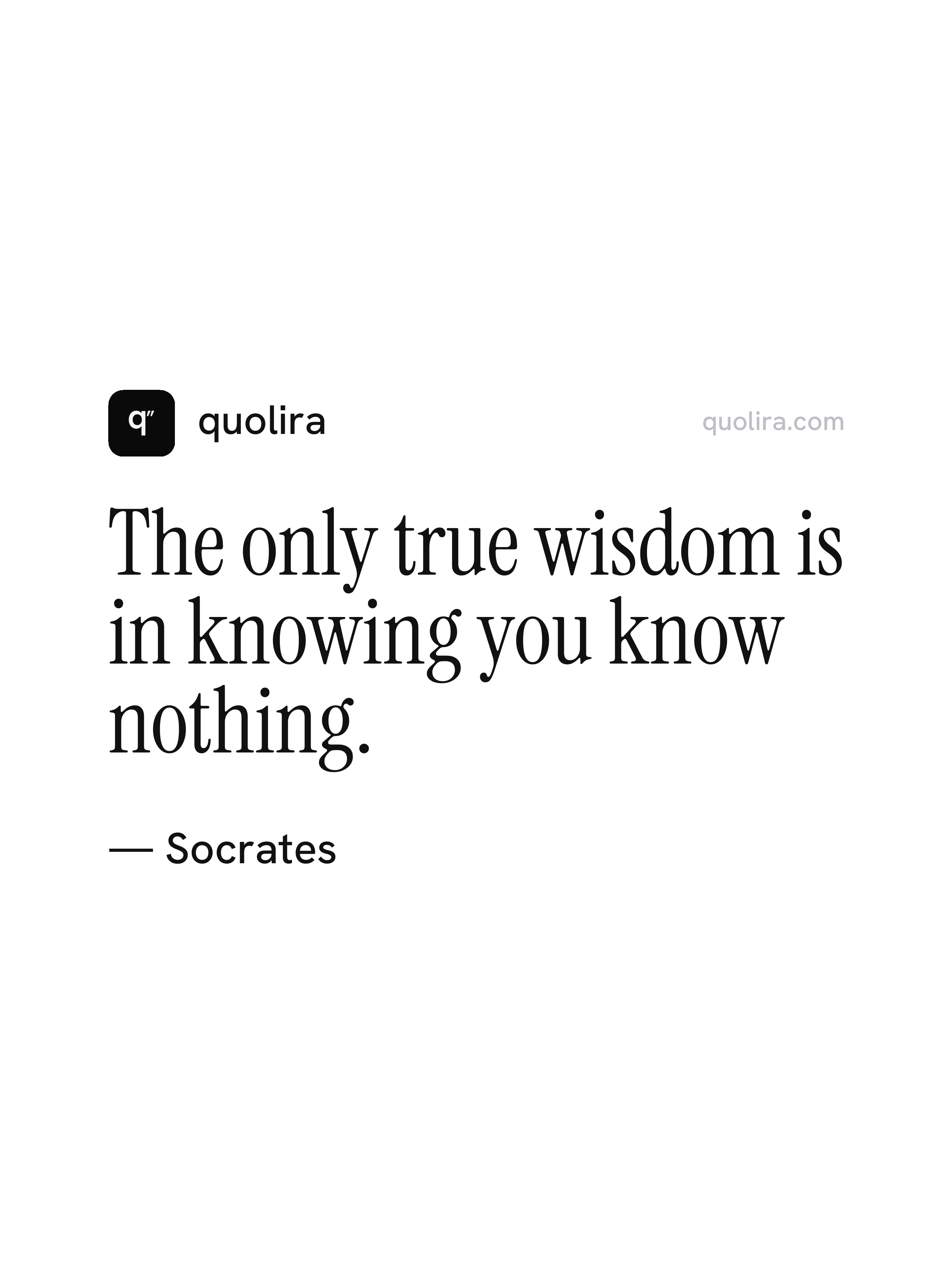
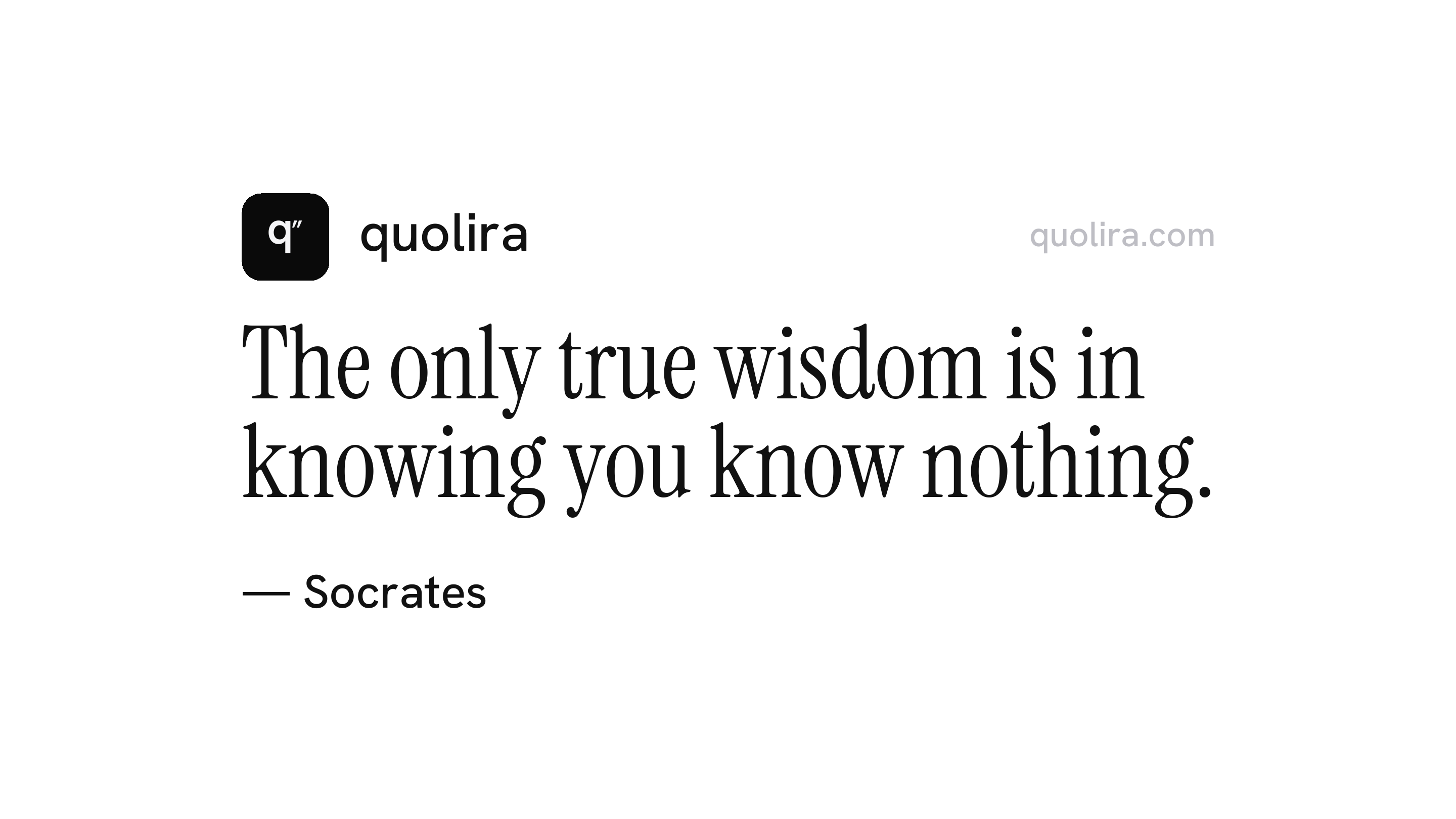
“The only true wisdom is in knowing you know nothing.”
Socrates · paraphrase from Plato, Apology
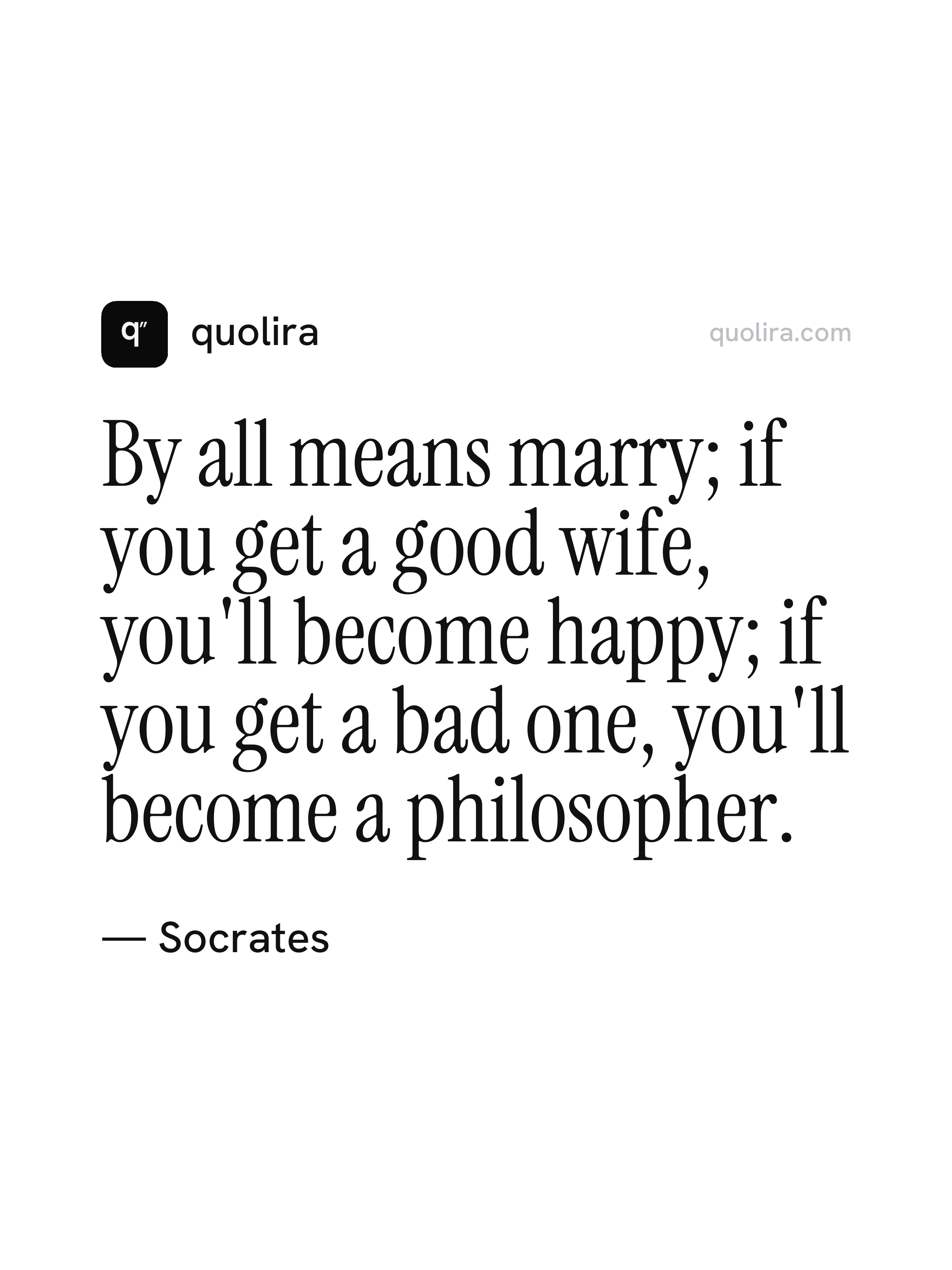
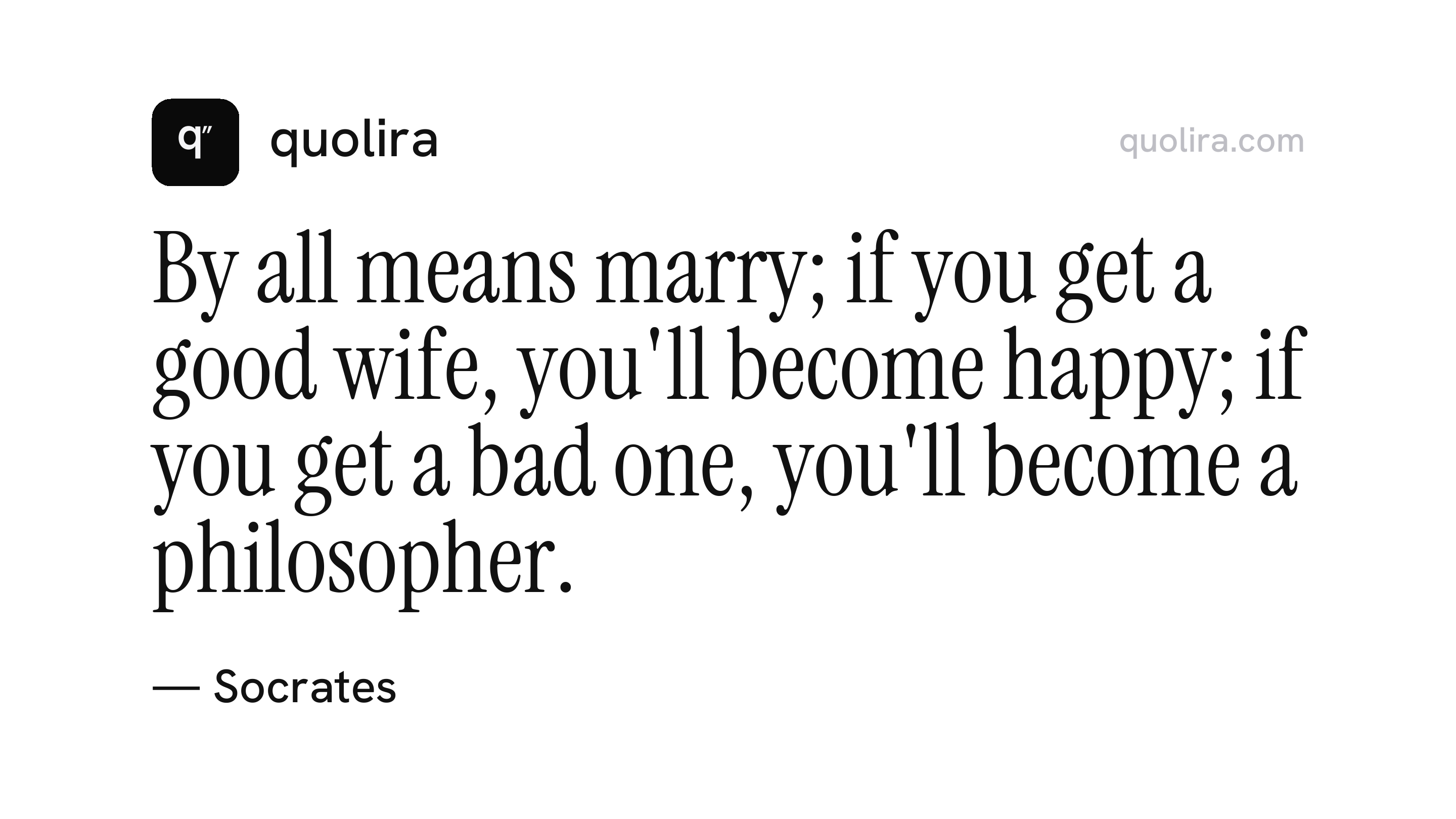
“By all means marry; if you get a good wife, you'll become happy; if you get a bad one, you'll become a philosopher.”
Socrates · attributed via Diogenes Laertius
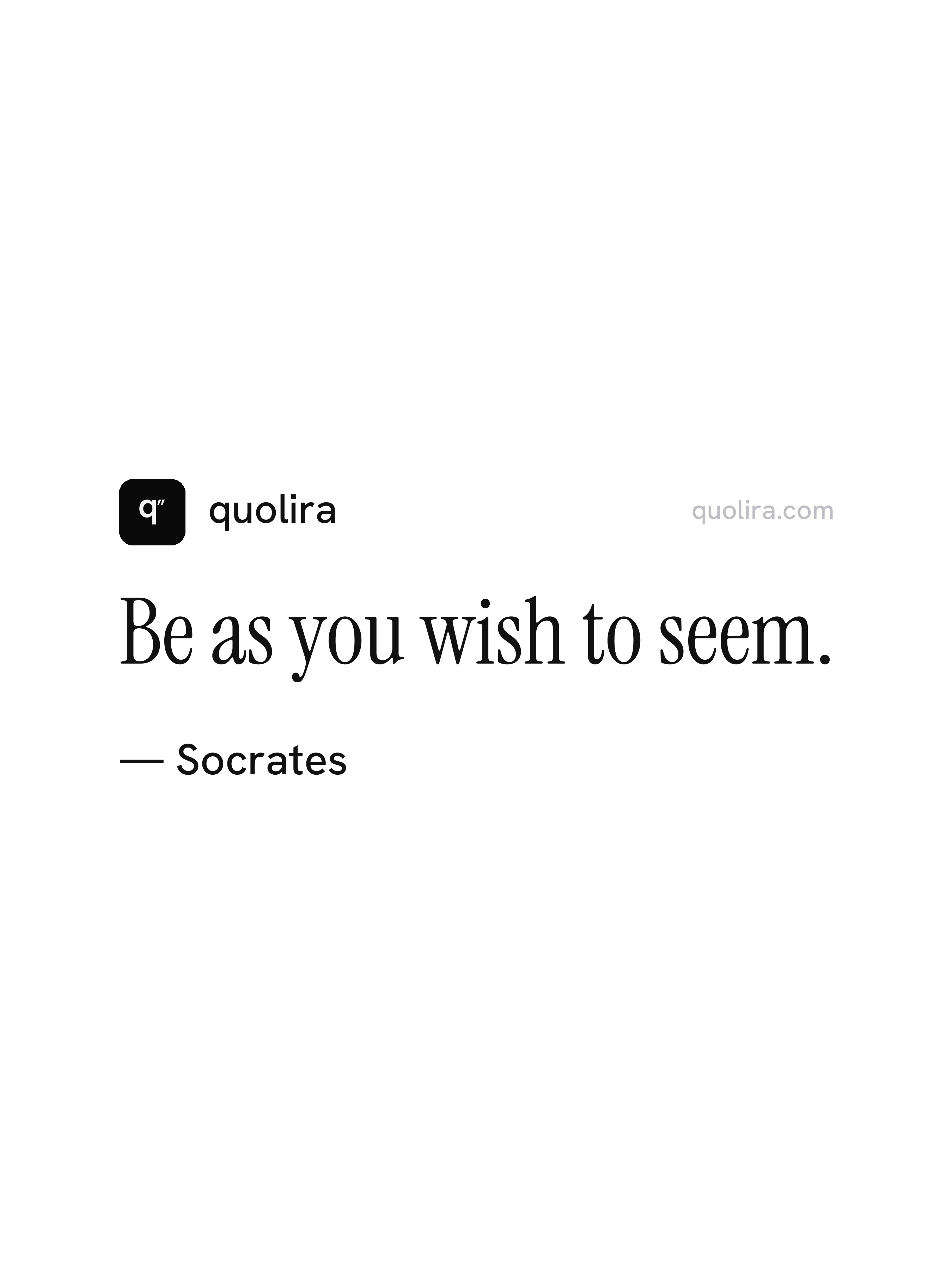
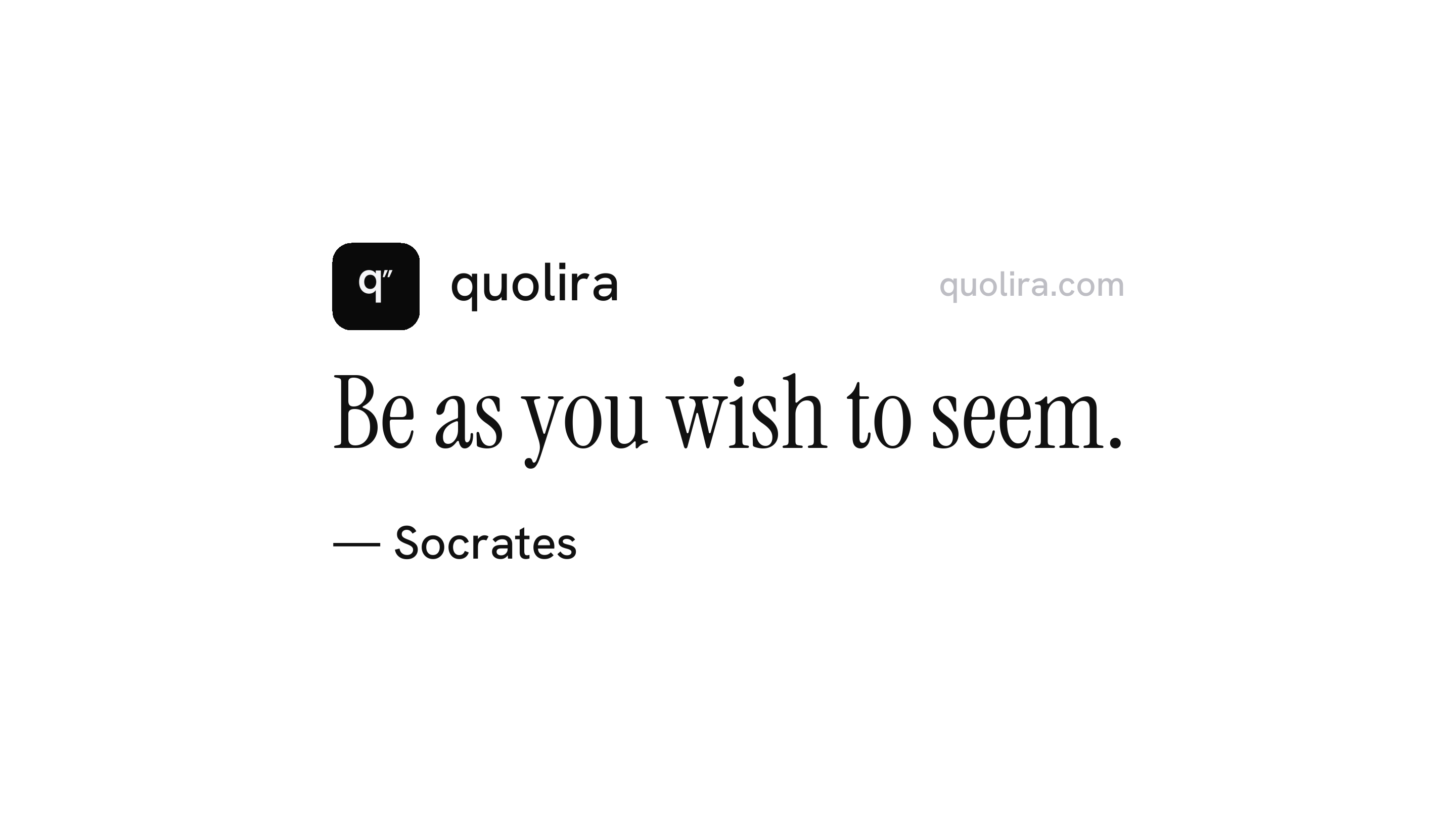
“Be as you wish to seem.”
Socrates · attributed