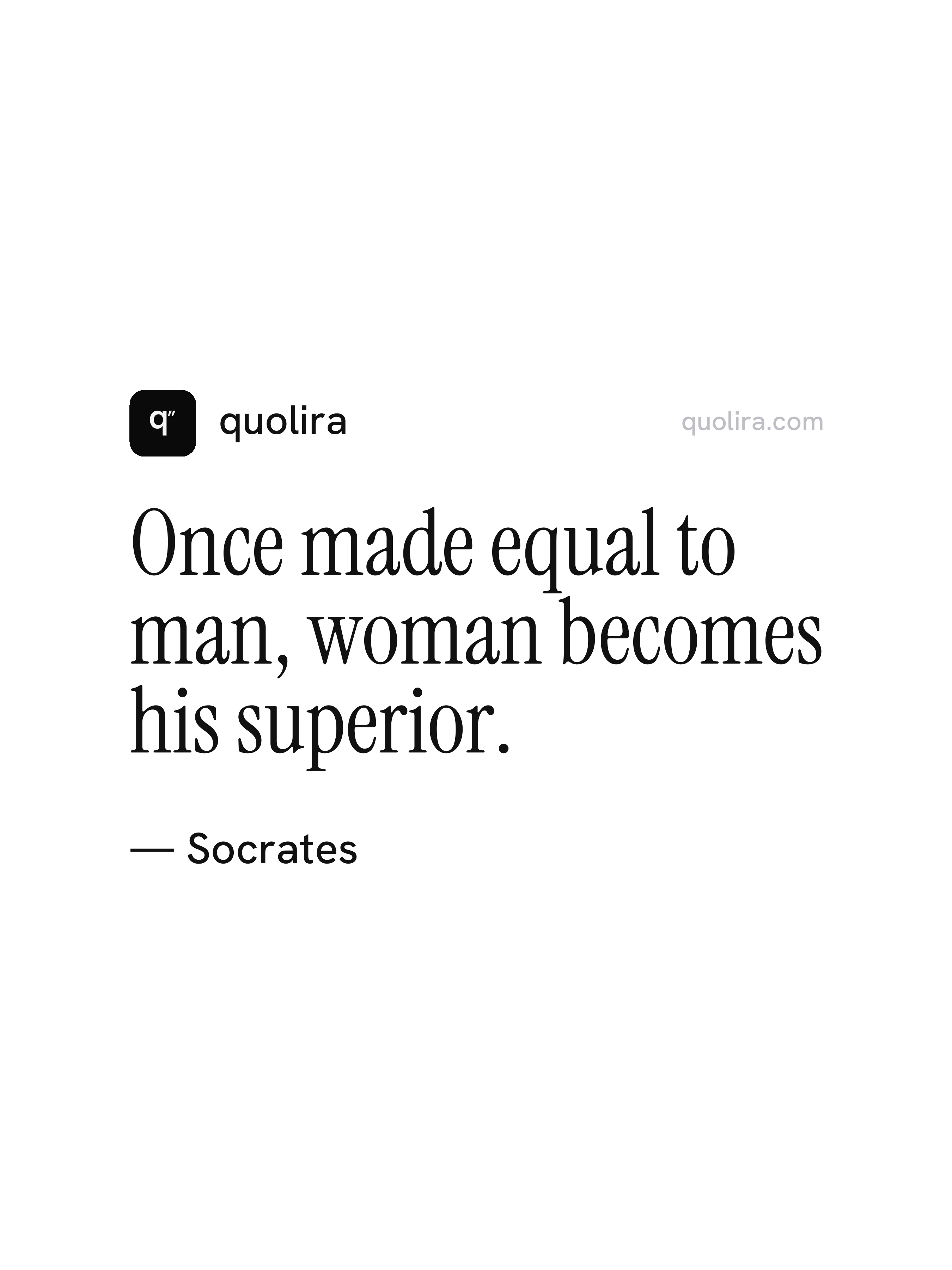
“Once made equal to man, woman becomes his superior.”
Socrates · attributed
 quolira
.com
quolira
quolira.com
This quote draws a sharp contrast between two ways of orienting a life. Those who live purely for physical pleasure, treating eating and drinking as ends in themselves, are described as worthless in a moral sense. People of genuine worth, by contrast, treat bodily sustenance as a means to a higher end: living well, thinking clearly, and pursuing virtue. The point is not that physical needs are shameful, but that they should serve the person rather than define the person.
The sentiment fits naturally within the Socratic tradition of ancient Greek philosophy, which placed the health of the soul far above the satisfaction of bodily appetites. Similar ideas appear in the writings of Plato and Xenophon, both of whom recorded Socratic conversations. Whether Socrates said these exact words is uncertain, as attribution in ancient sources is often loose, and the formulation has been repeated and reshaped across centuries of moral writing.
Socrates was an Athenian philosopher of the fifth century BCE who is widely regarded as one of the founding figures of Western philosophy. He wrote nothing himself, so his ideas survive through the works of his students, chiefly Plato and Xenophon. He was eventually tried by the city of Athens and sentenced to death. His method of questioning assumptions and demanding careful reasoning about ethics continues to influence philosophy, education, and public life to this day.
“Once made equal to man, woman becomes his superior.”
Socrates · attributed
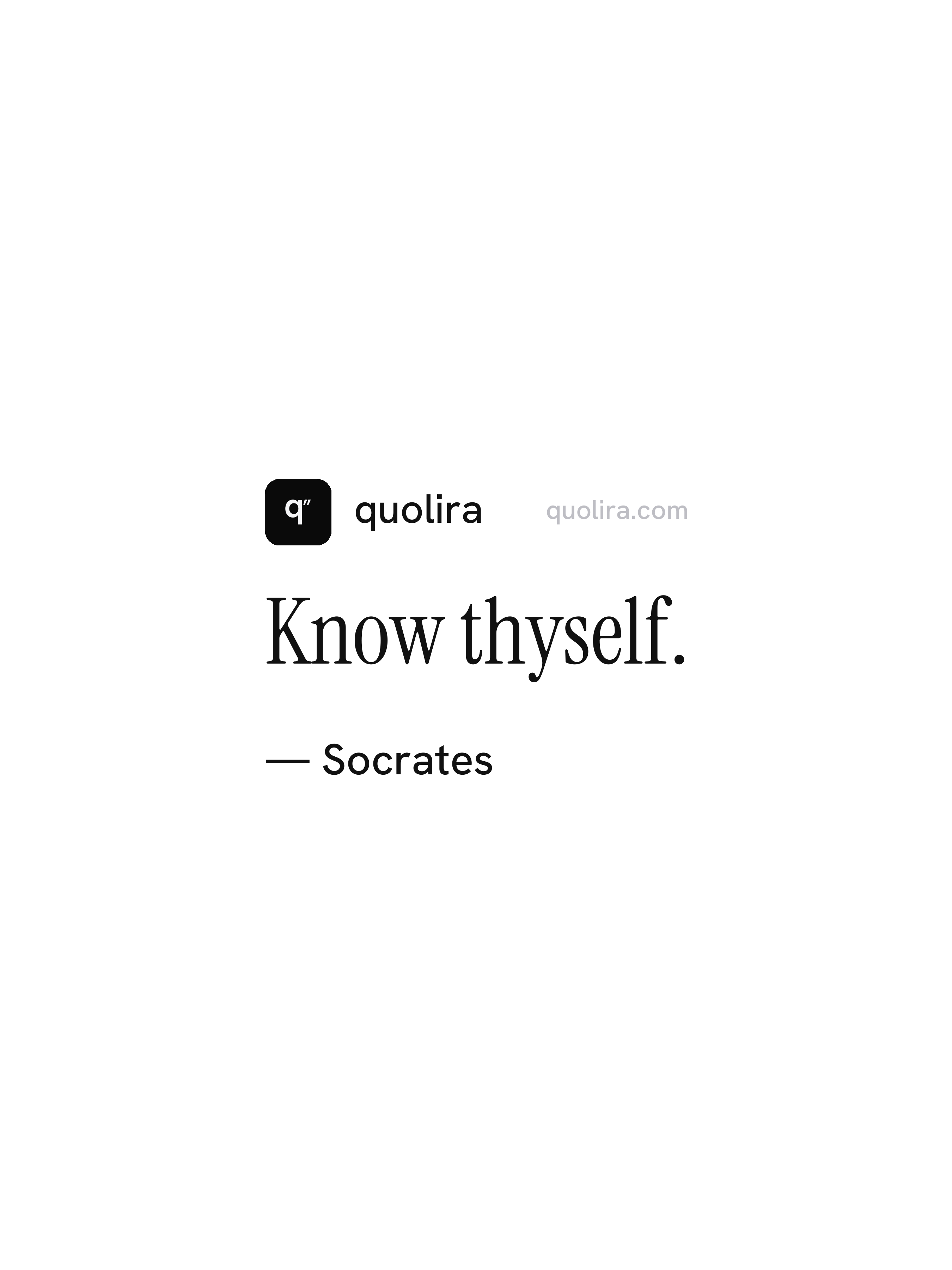
“Know thyself.”
Socrates · adopted from the Delphic maxim
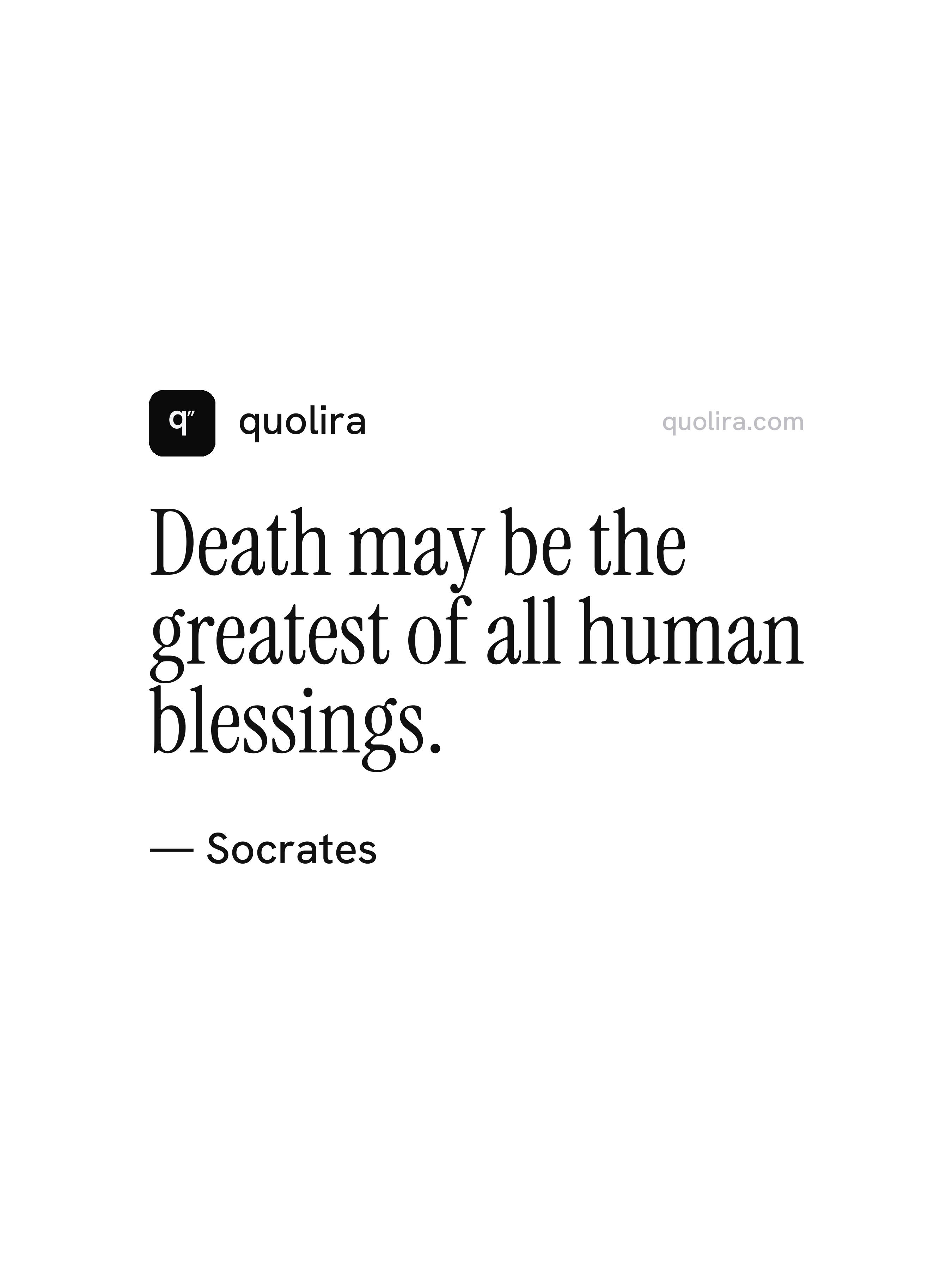
“Death may be the greatest of all human blessings.”
Socrates · Plato, Apology
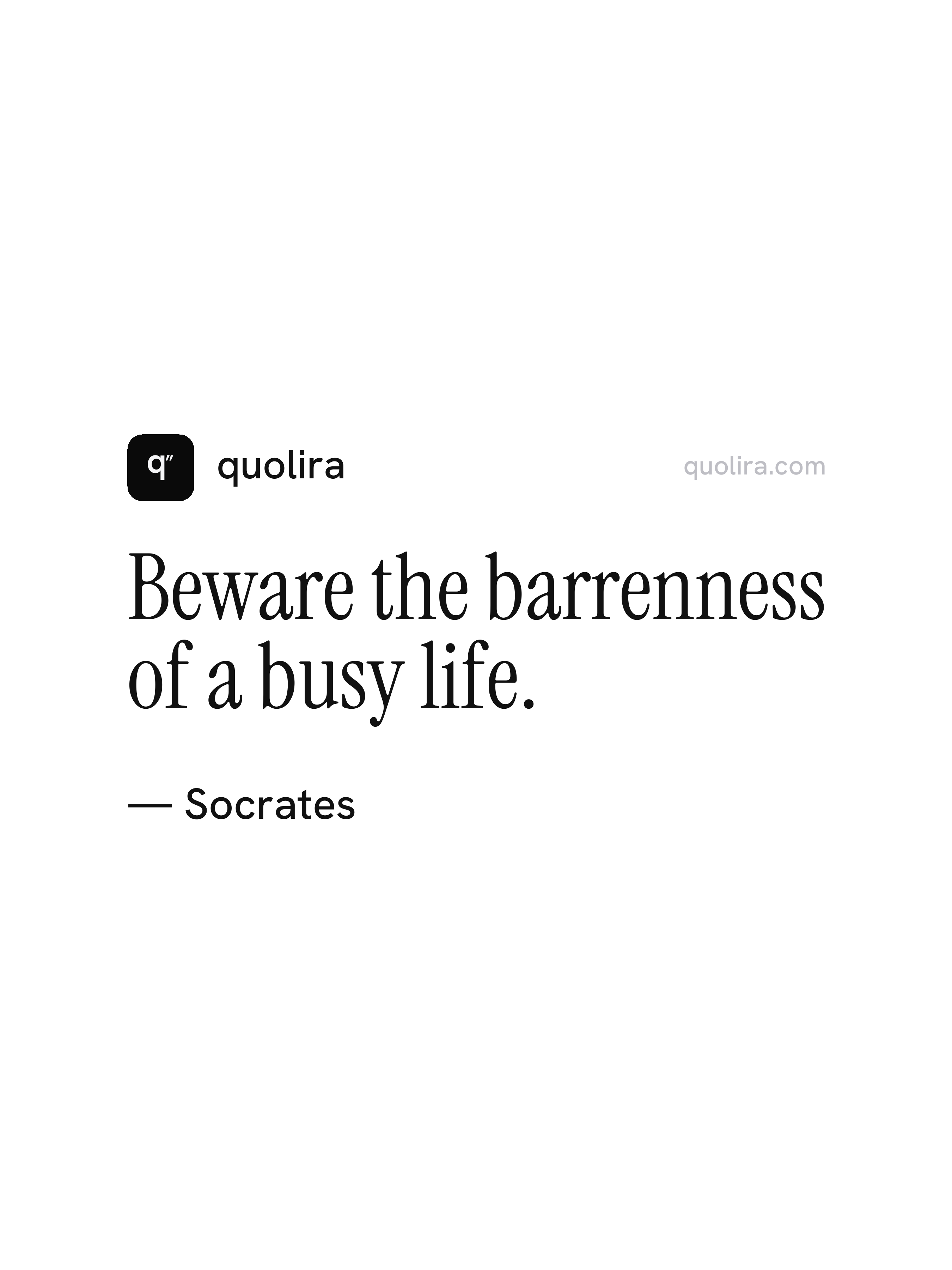
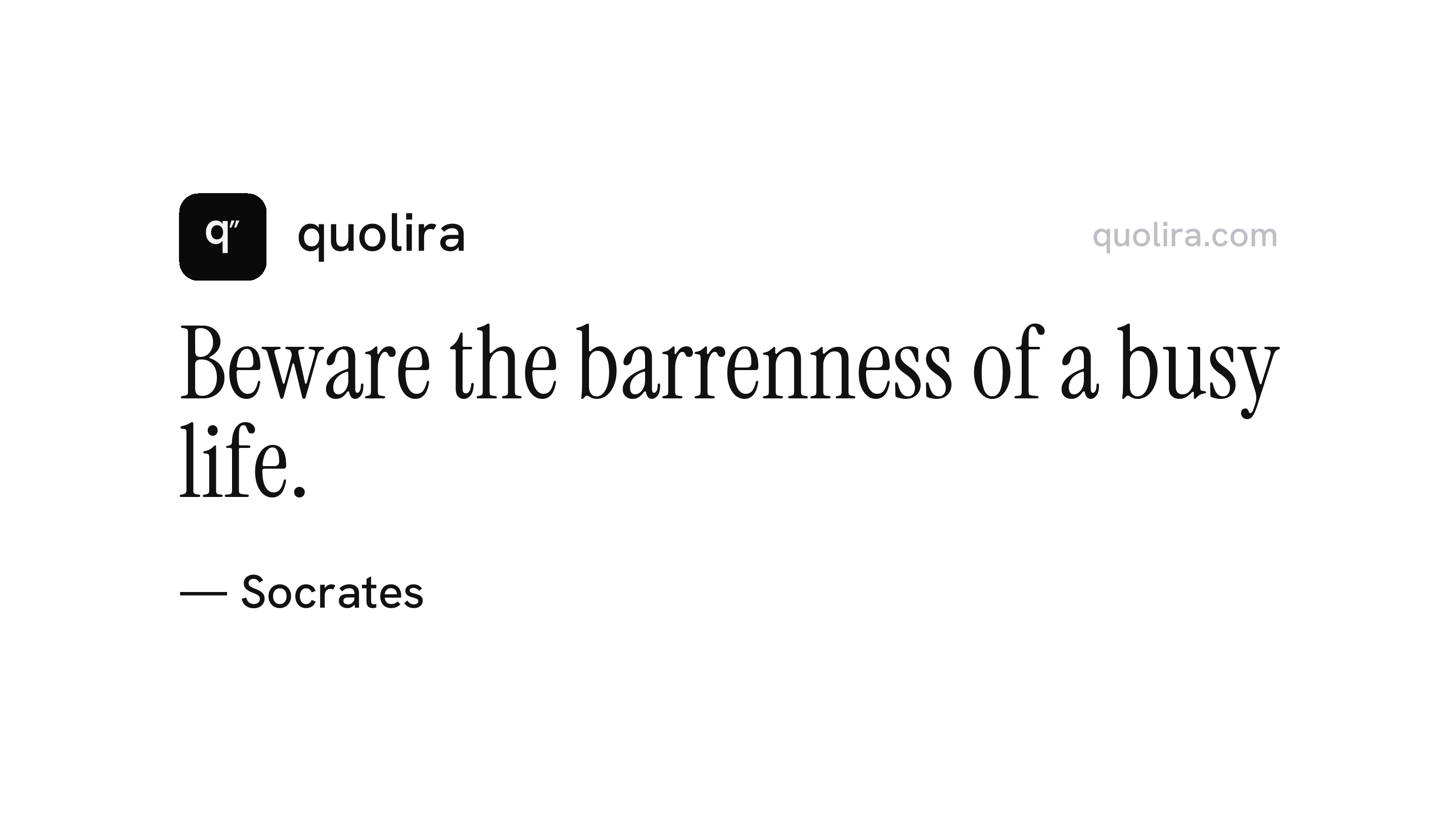
“Beware the barrenness of a busy life.”
Socrates · attributed
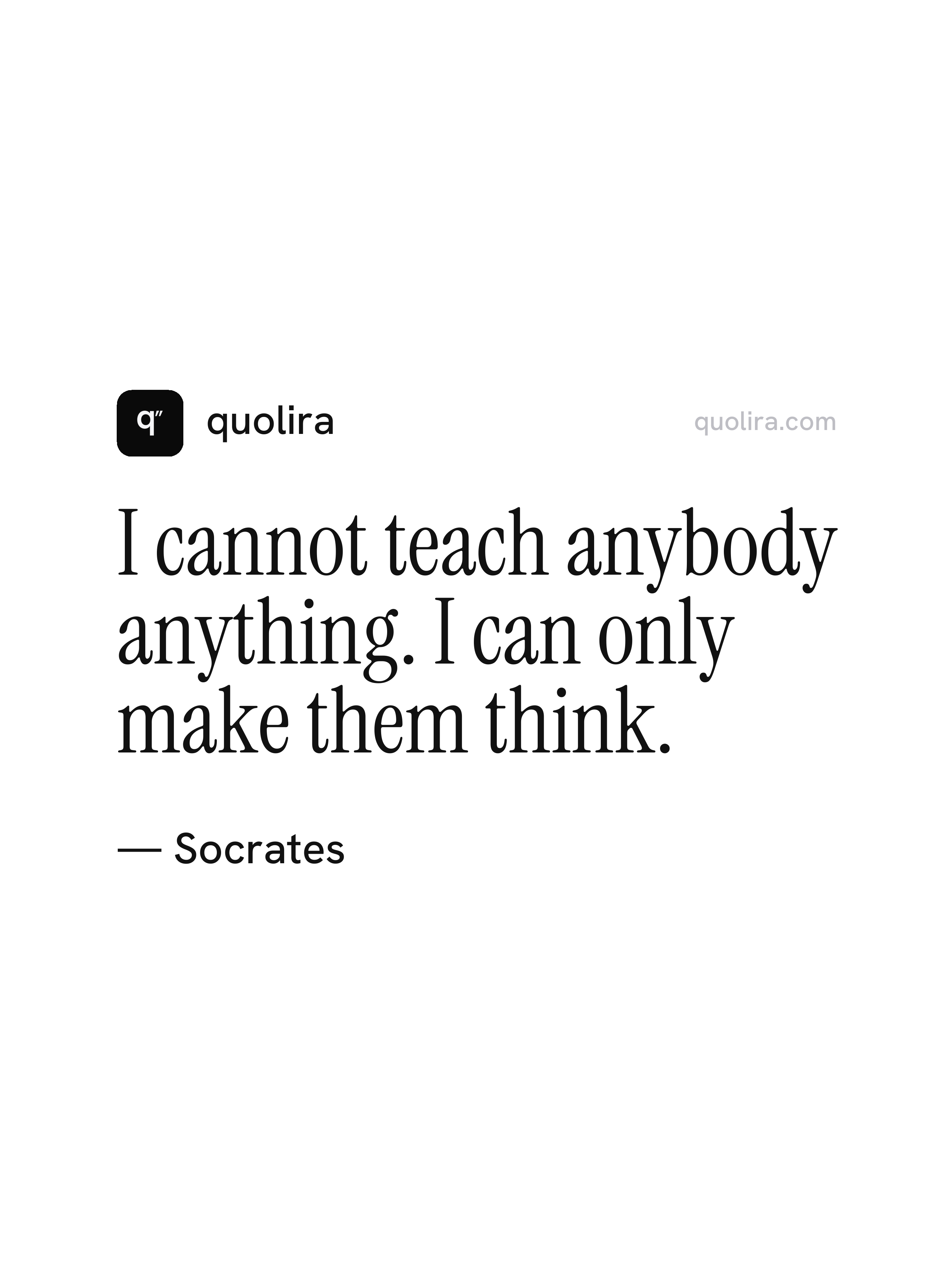
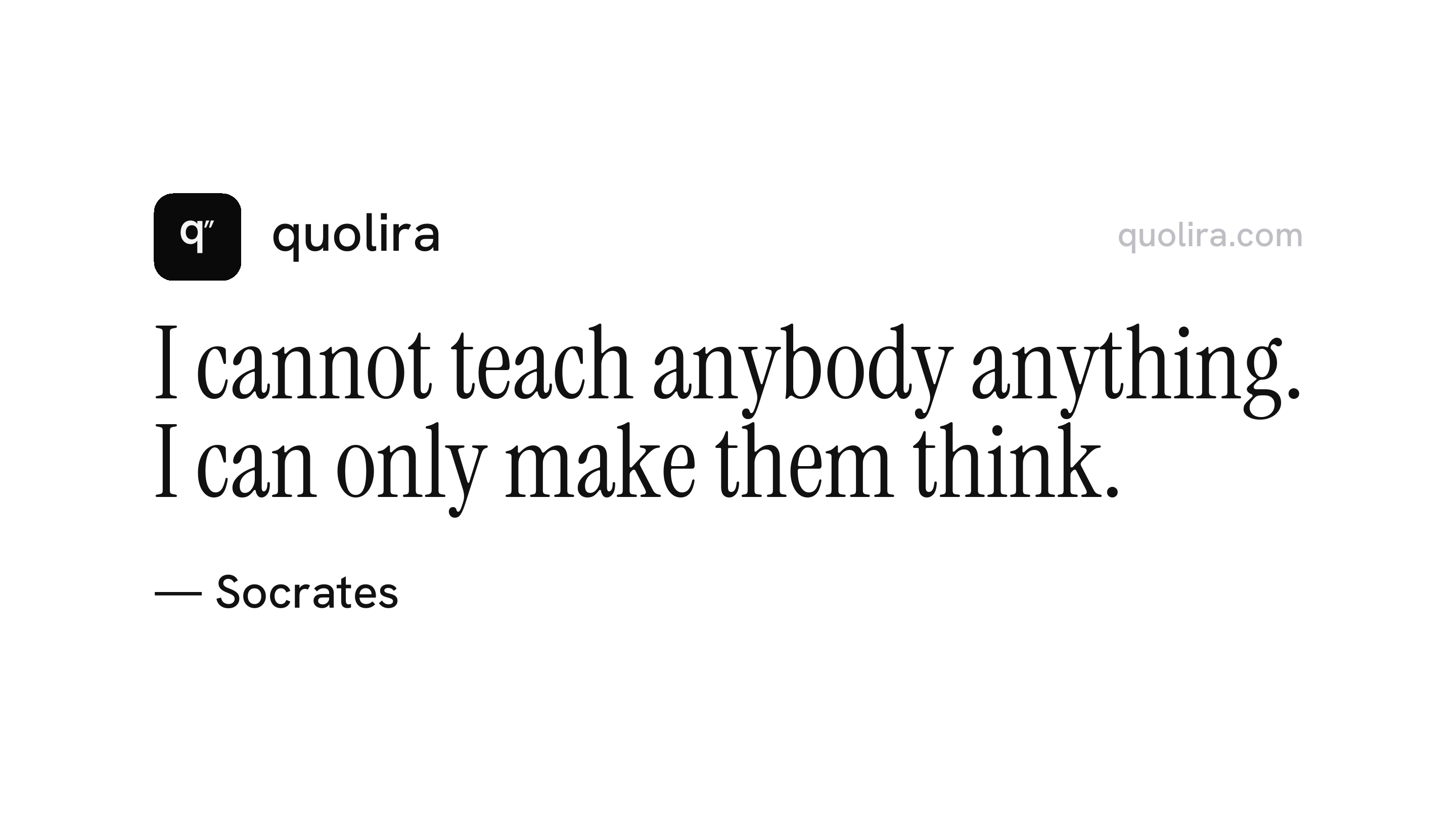
“I cannot teach anybody anything. I can only make them think.”
Socrates · attributed
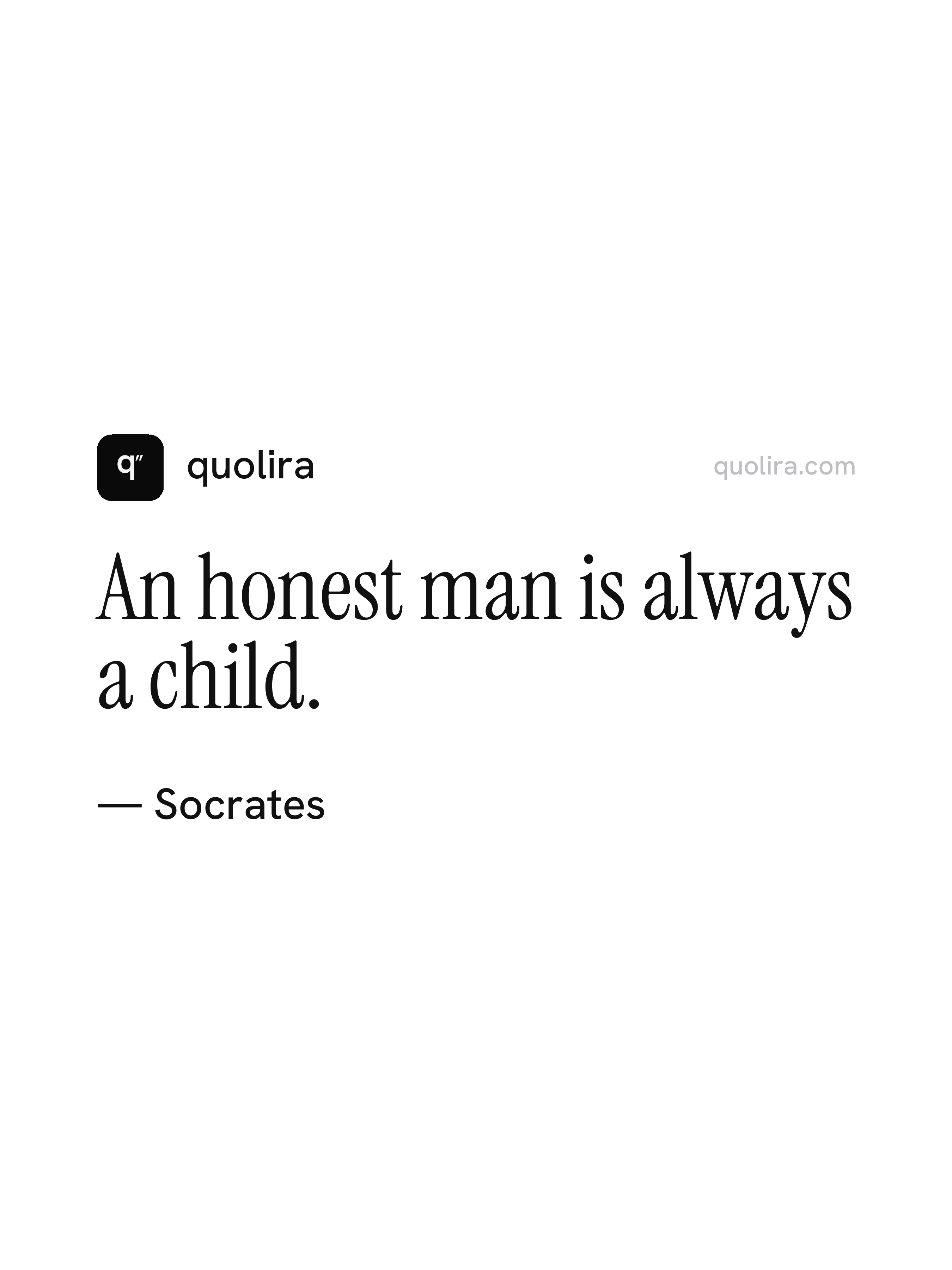
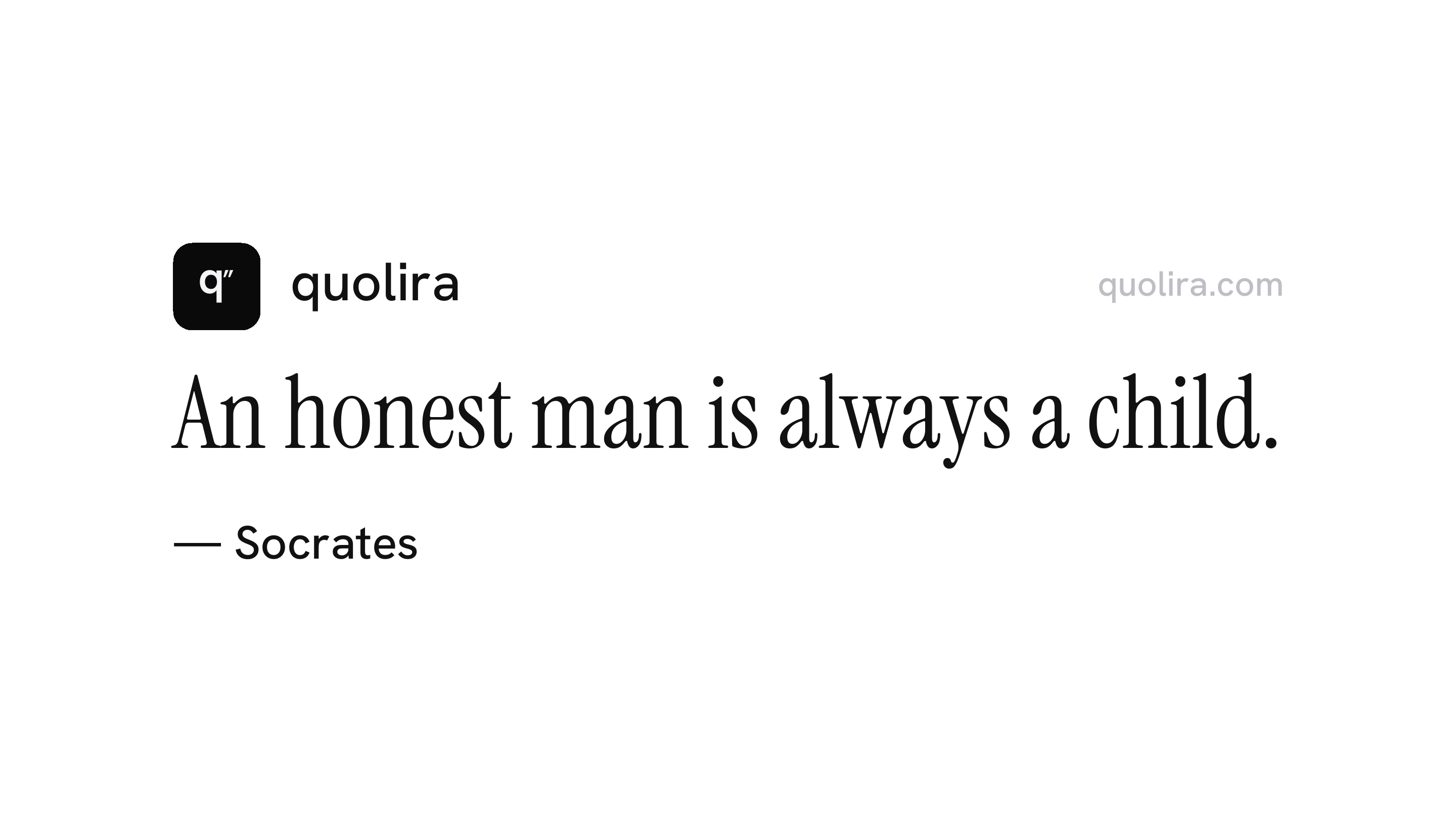
“An honest man is always a child.”
Socrates · attributed
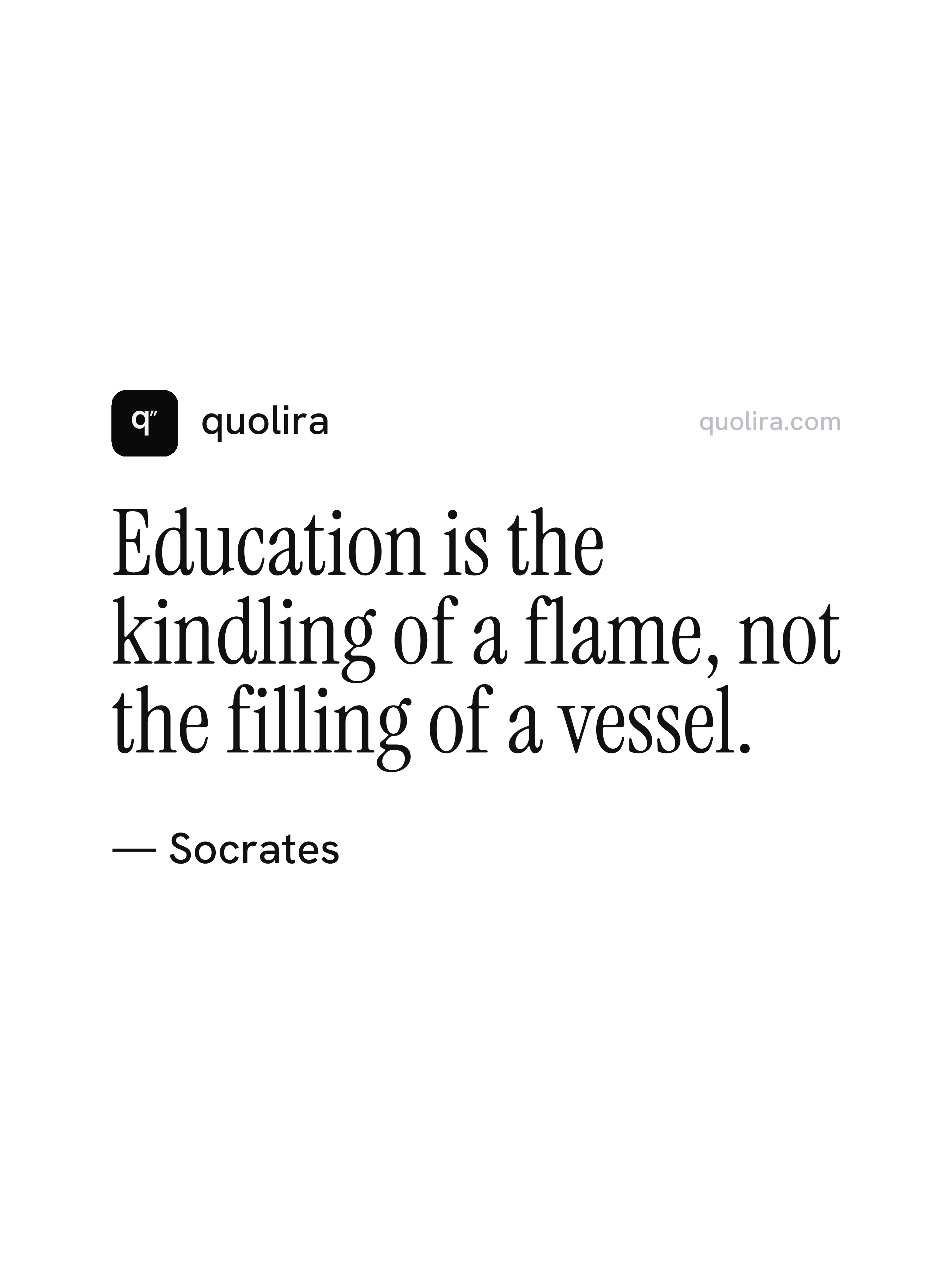
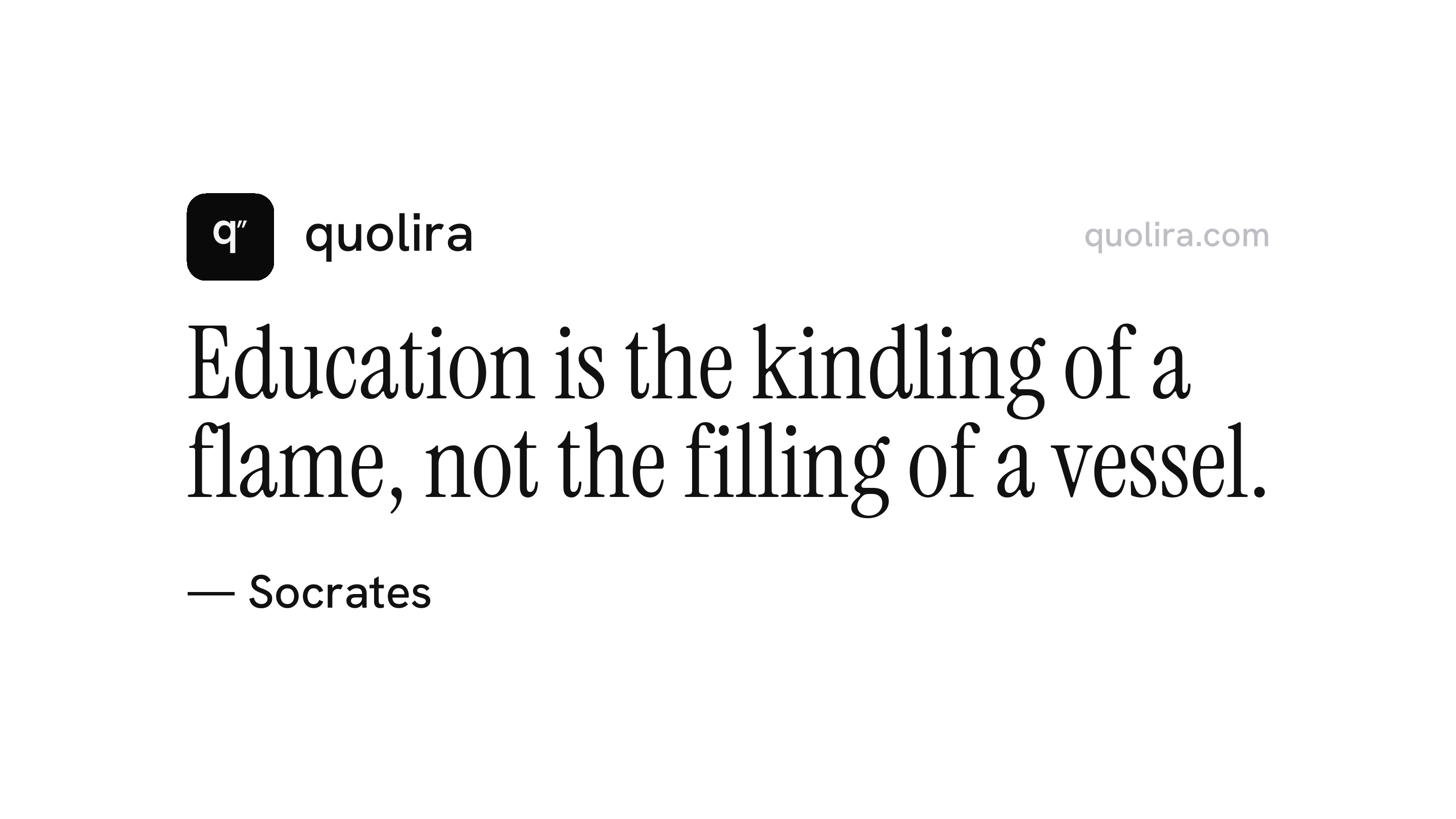
“Education is the kindling of a flame, not the filling of a vessel.”
Socrates · attributed
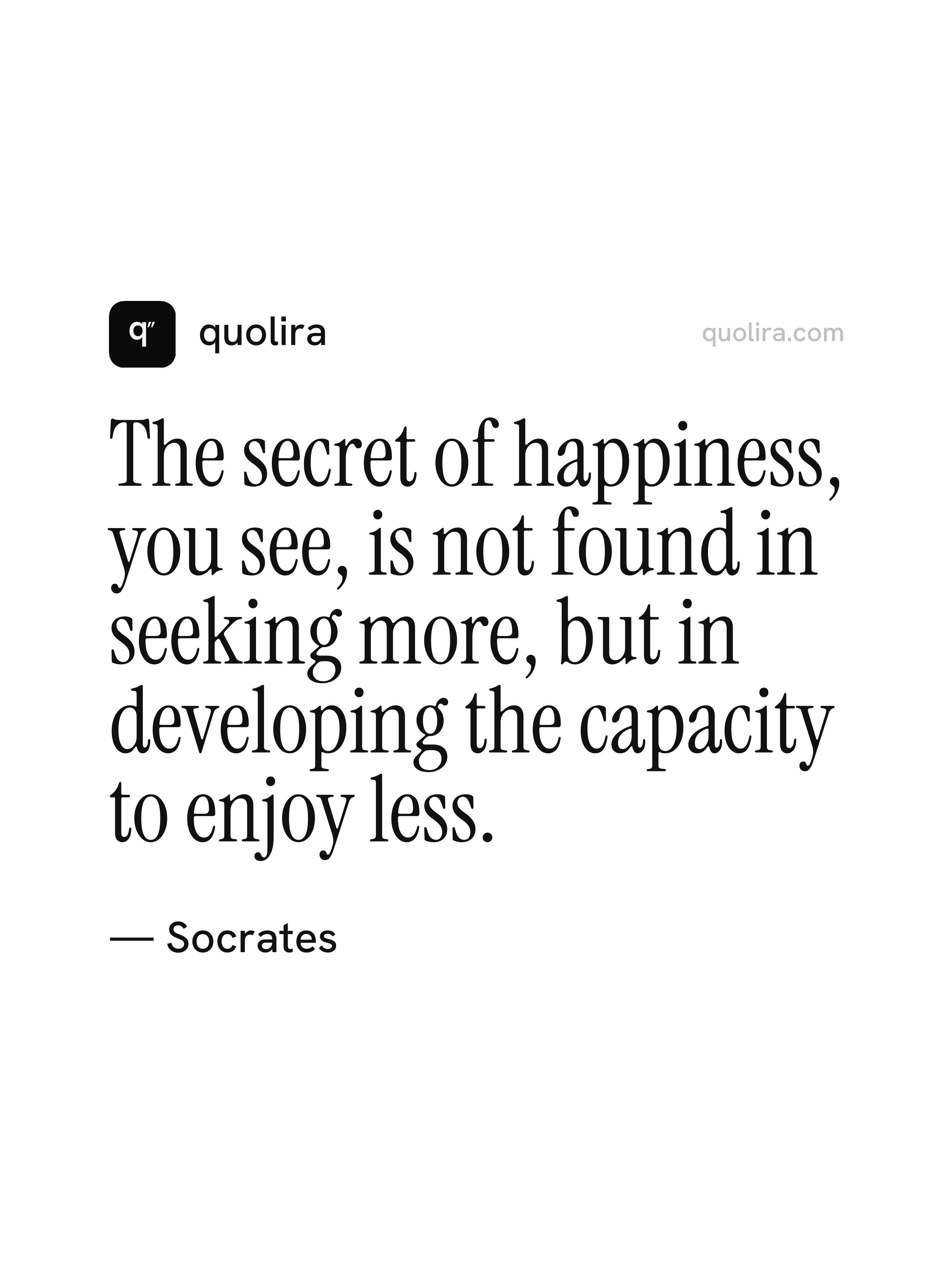
“The secret of happiness, you see, is not found in seeking more, but in developing the capacity to enjoy less.”
Socrates · attributed
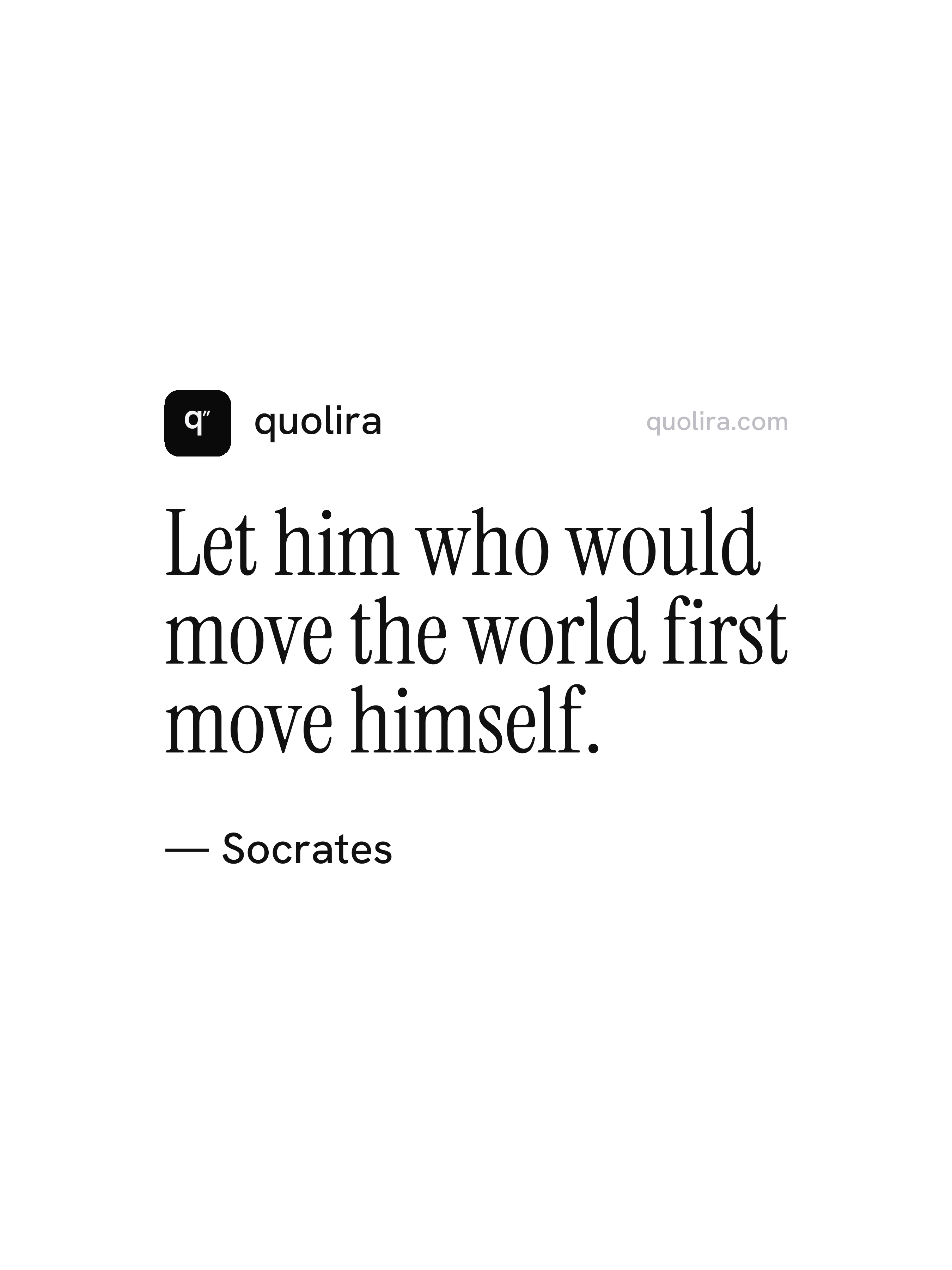
“Let him who would move the world first move himself.”
Socrates · attributed
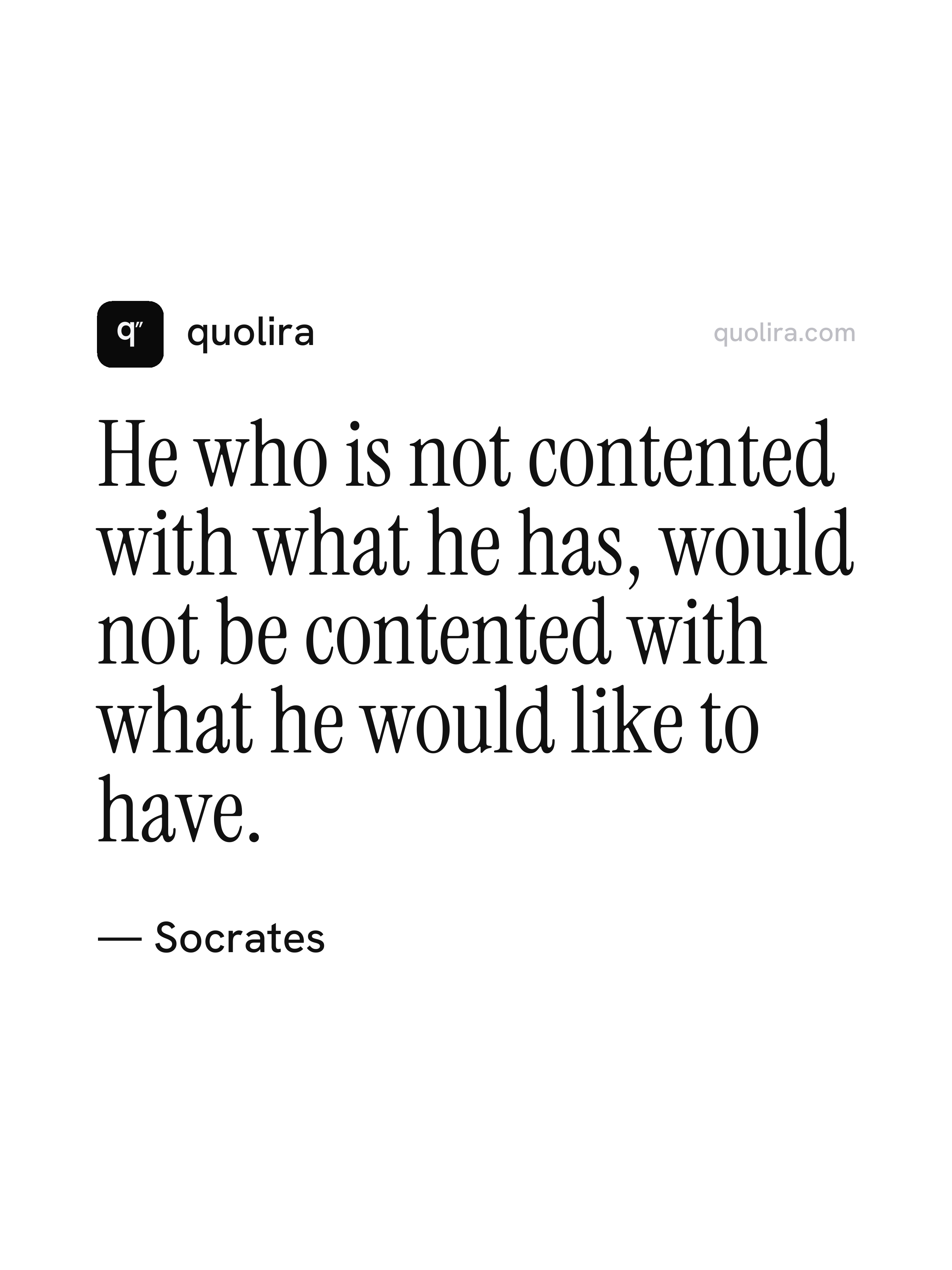
“He who is not contented with what he has, would not be contented with what he would like to have.”
Socrates · attributed
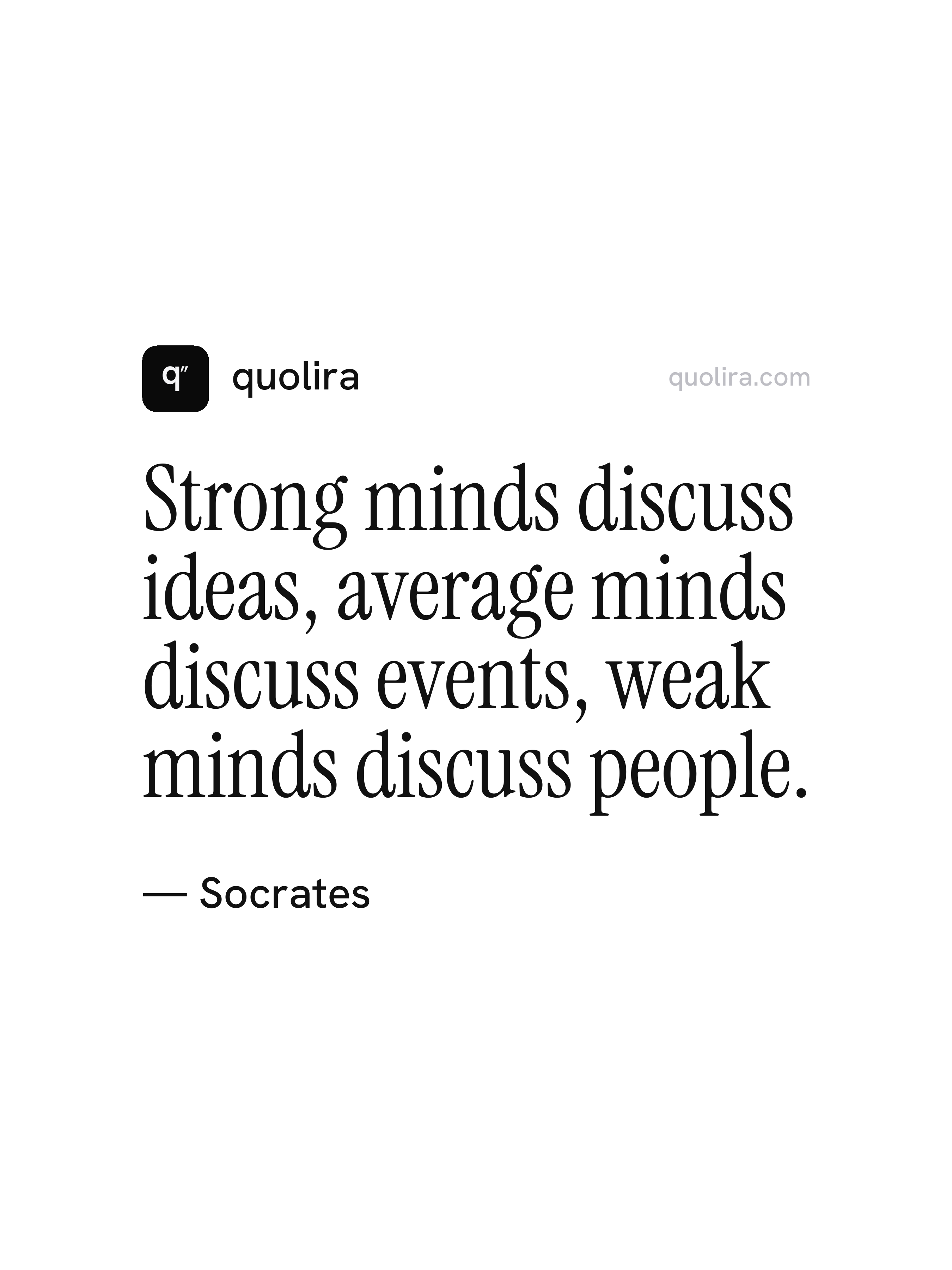
“Strong minds discuss ideas, average minds discuss events, weak minds discuss people.”
Socrates · attributed
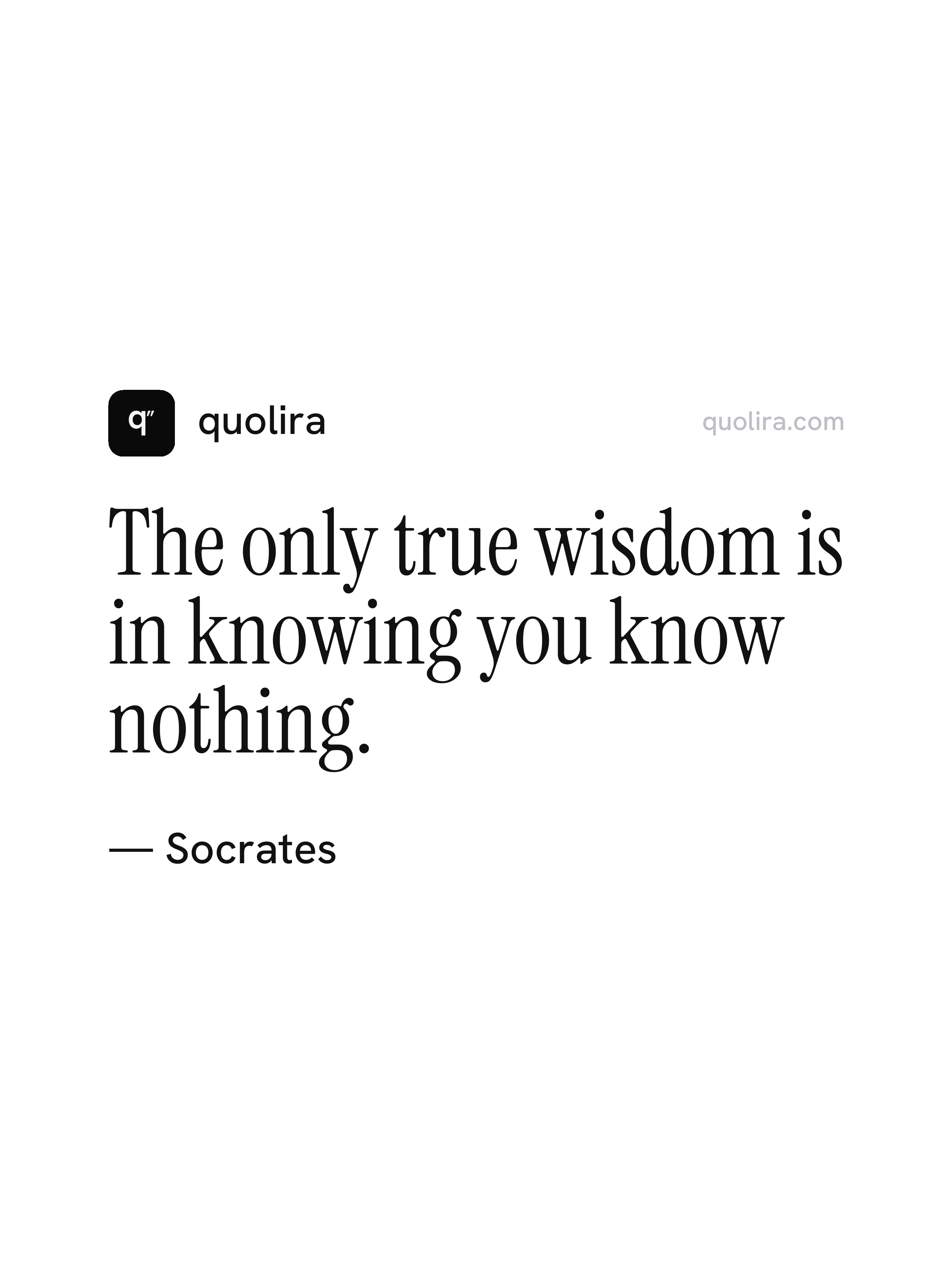
“The only true wisdom is in knowing you know nothing.”
Socrates · paraphrase from Plato, Apology