“Progress is not utopia, but the gradual improvement of human flourishing through reason, science, and humanism.”
Steven Pinker · Enlightenment Now, 2018
 quolira
.com
quolira
quolira.com
Pinker is making two connected points at once. The first is empirical: by measurable standards such as life expectancy, literacy, poverty rates, and child mortality, humanity as a whole is doing far better than at almost any earlier point in history. The second point is almost more striking than the first: this good news is largely invisible to the general public, which tends to assume the world is getting worse, not better.
These lines come from "Enlightenment Now," published in 2018, in which Pinker assembles a wide body of data to argue that the values of the Enlightenment, including reason, science, and liberal institutions, have produced measurable gains in human welfare over the centuries. The book builds on themes Pinker explored in his earlier work on violence and human nature. The passage is characteristic of his approach: stating a data-driven claim bluntly, then immediately noting the gap between that reality and popular perception. He attributes the gap partly to the negativity bias in human cognition and partly to the nature of news coverage, which tends to highlight disasters and crises over slow, steady improvement.
Steven Pinker is a Canadian-American cognitive psychologist and linguist who has spent much of his career at Harvard University. He is widely known for making complex ideas in psychology, language, and human nature accessible to general readers. Beyond his academic research, he has become one of the most prominent public advocates for an evidence-based, optimistic view of human progress, a position he defends rigorously against both pessimists and utopians.
“Progress is not utopia, but the gradual improvement of human flourishing through reason, science, and humanism.”
Steven Pinker · Enlightenment Now, 2018
“Nature has given us two ears, two eyes, and but one tongue, to the end that we should hear and see more than we speak.”
Socrates · attributed
“Contentment is natural wealth, luxury is artificial poverty.”
Socrates · attributed
“Employ your time in improving yourself by other men's writings, so that you shall gain easily what others have labored hard for.”
Socrates · attributed
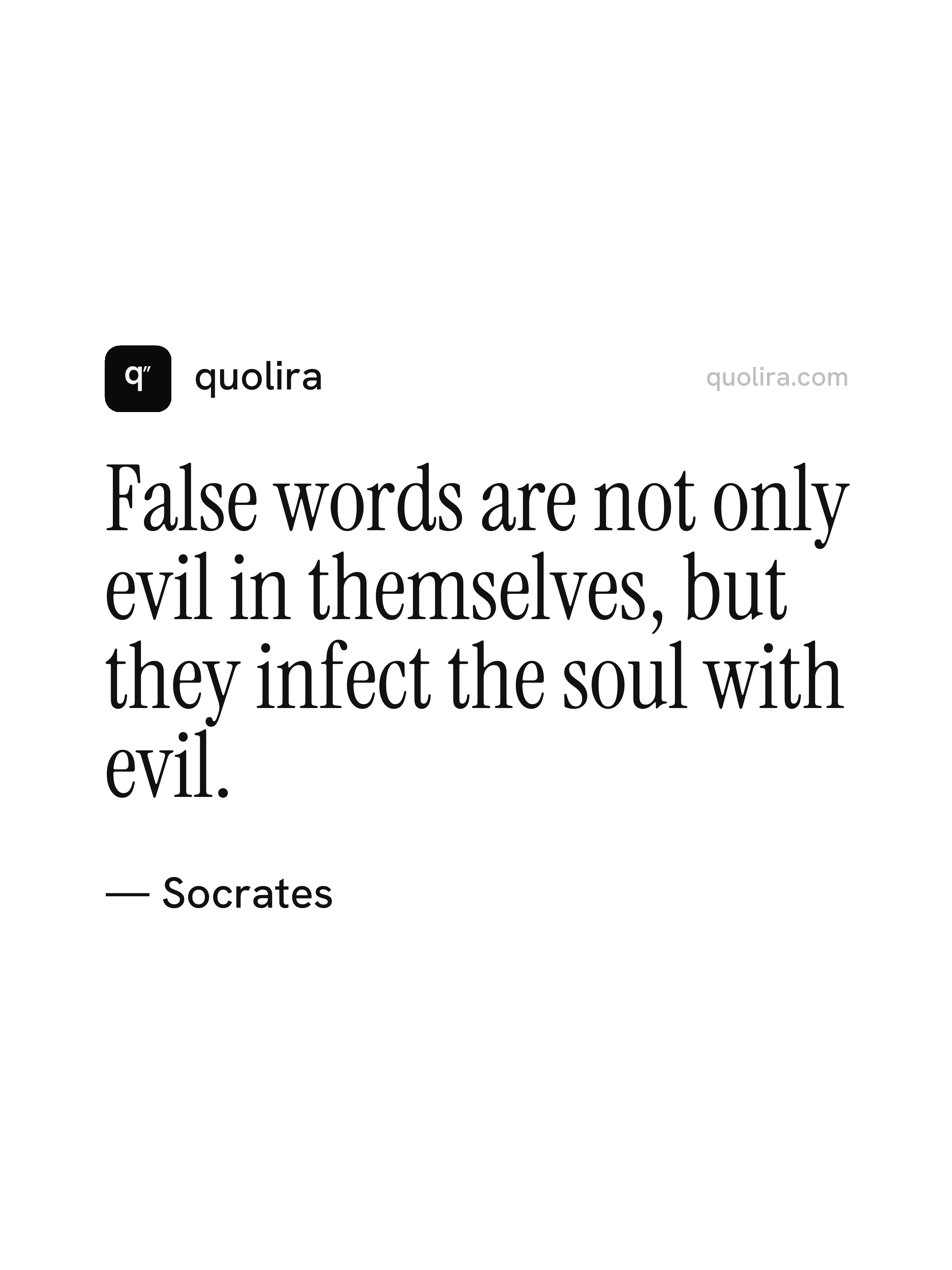
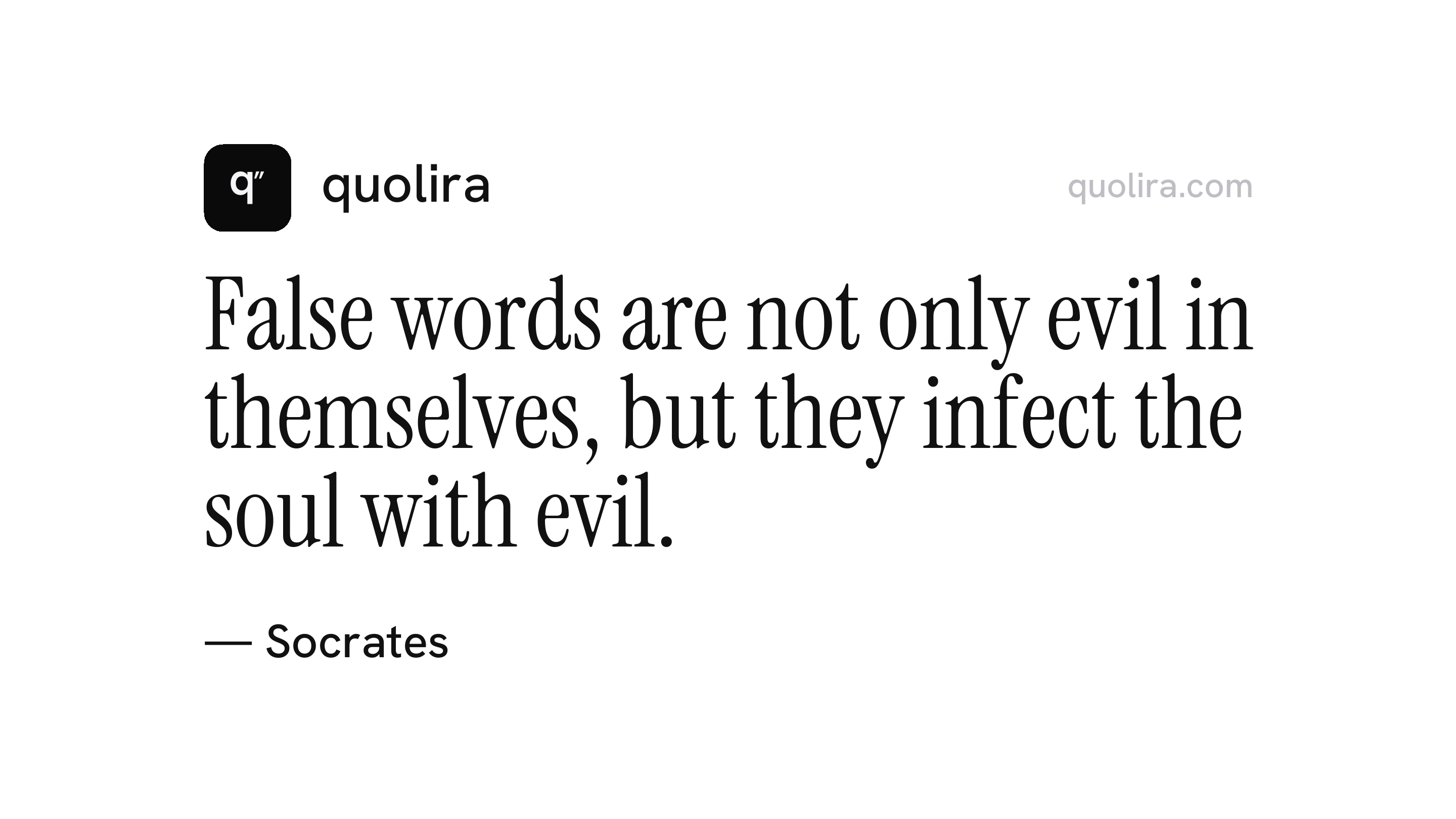
“False words are not only evil in themselves, but they infect the soul with evil.”
Socrates · Plato, Phaedo
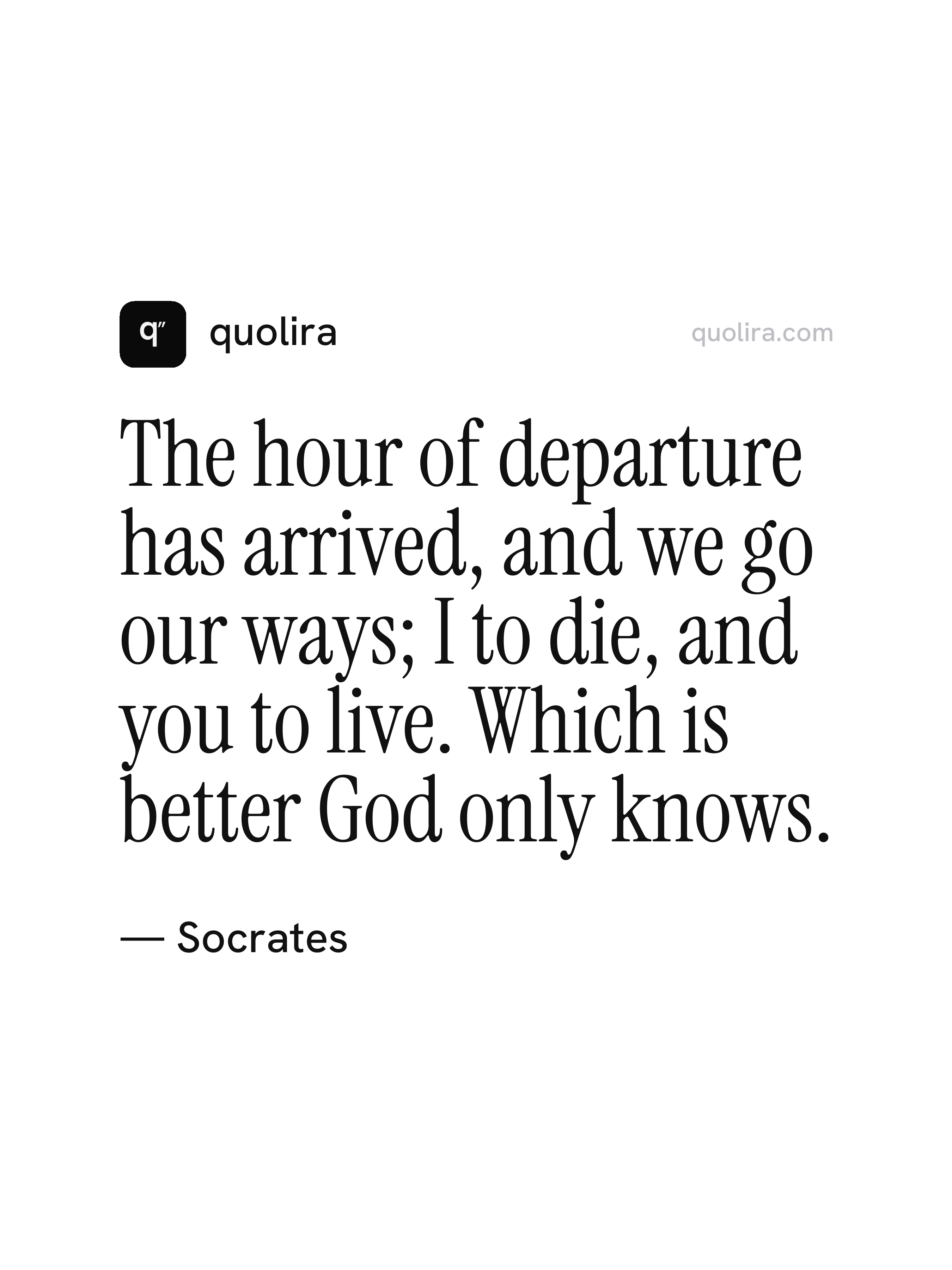
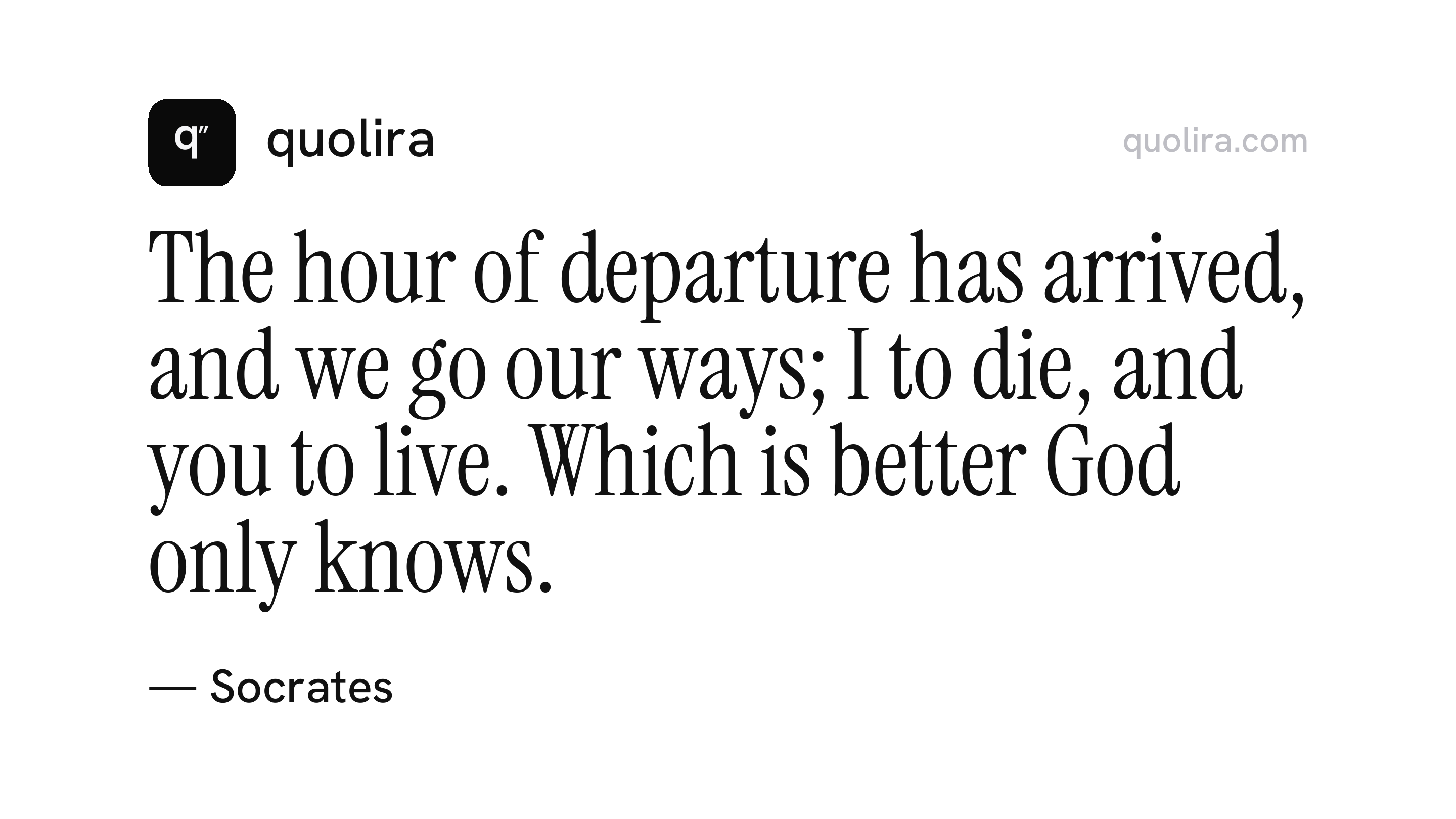
“The hour of departure has arrived, and we go our ways; I to die, and you to live. Which is better God only knows.”
Socrates · Plato, Apology
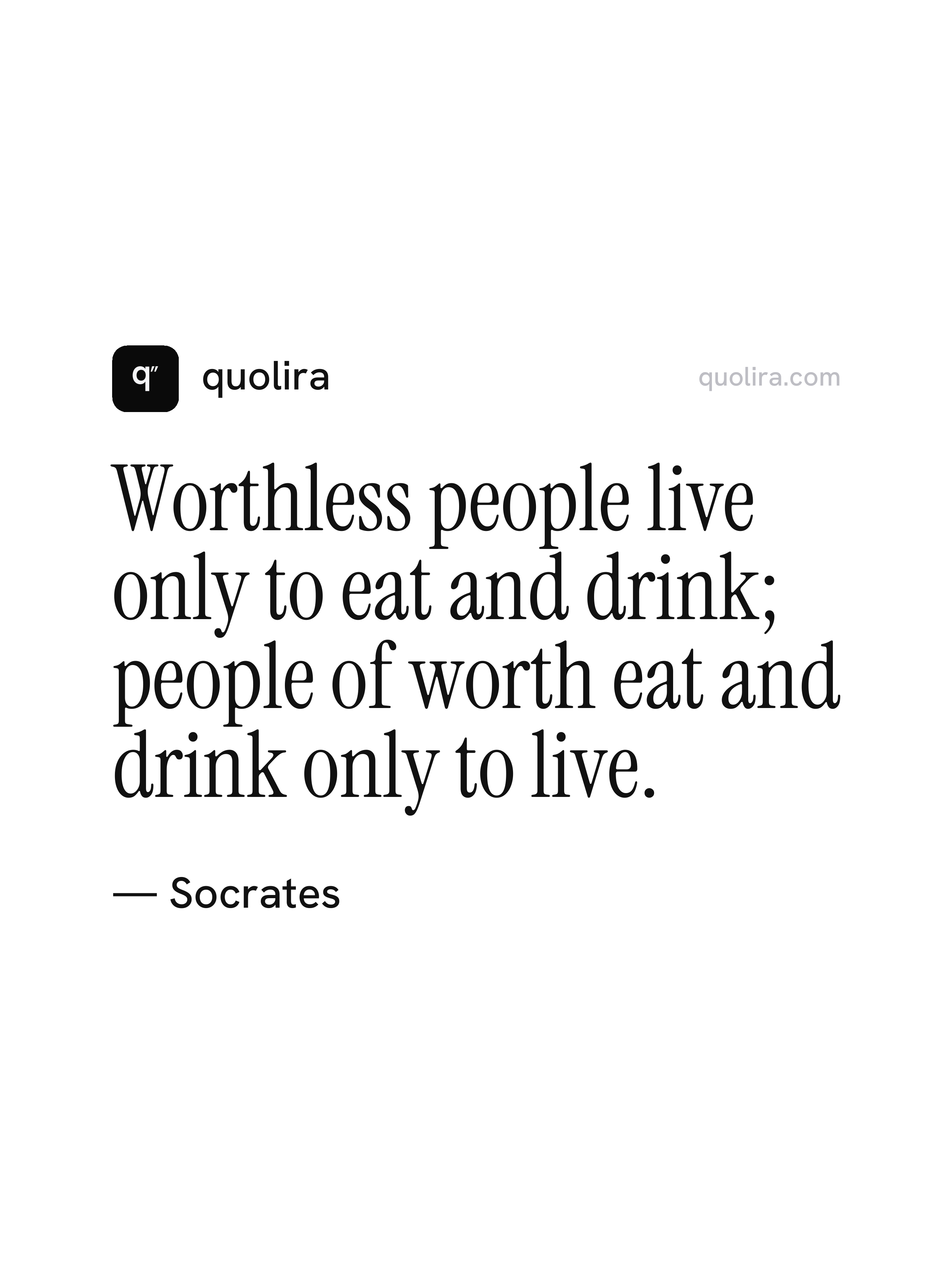
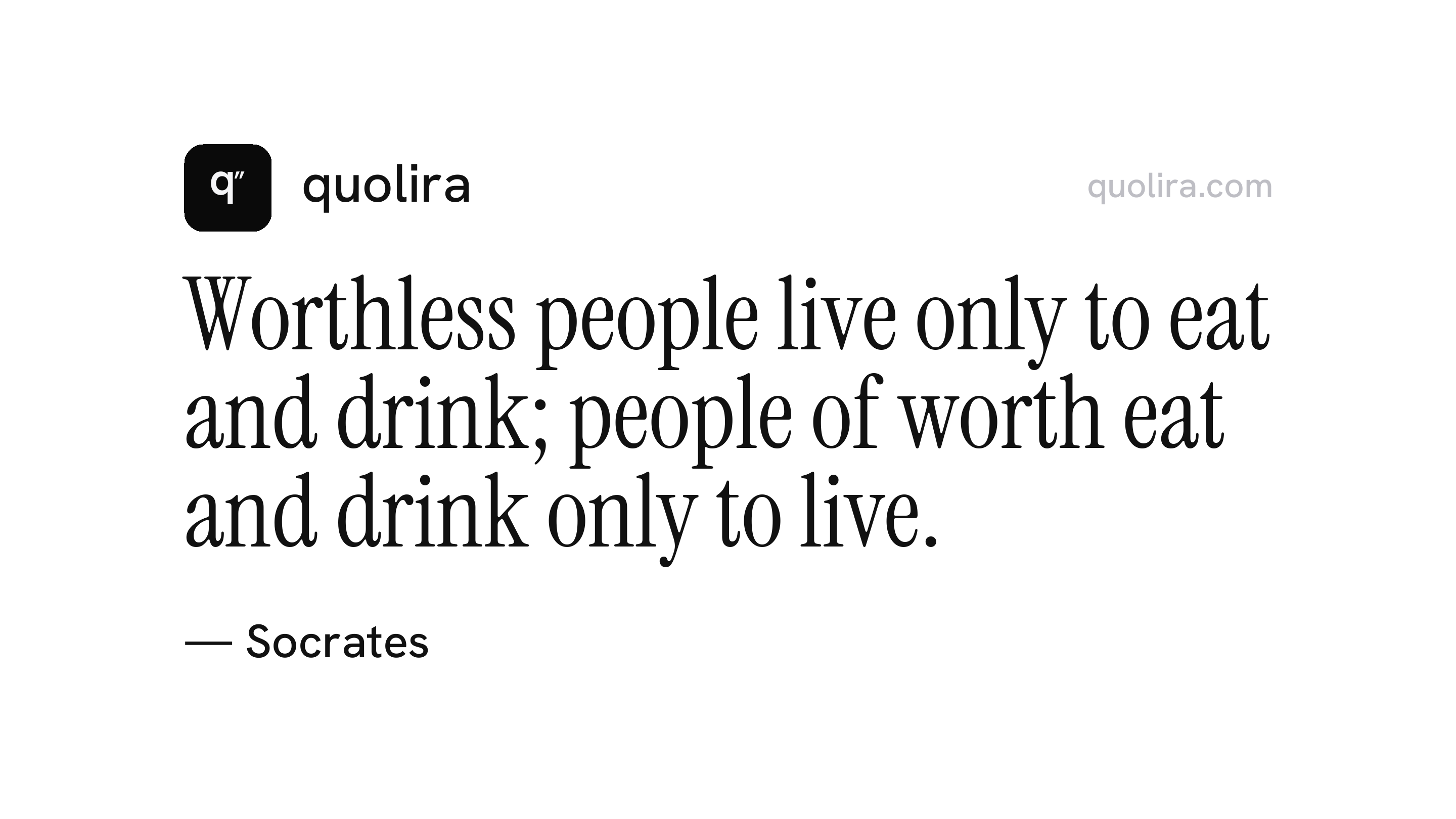
“Worthless people live only to eat and drink; people of worth eat and drink only to live.”
Socrates · attributed
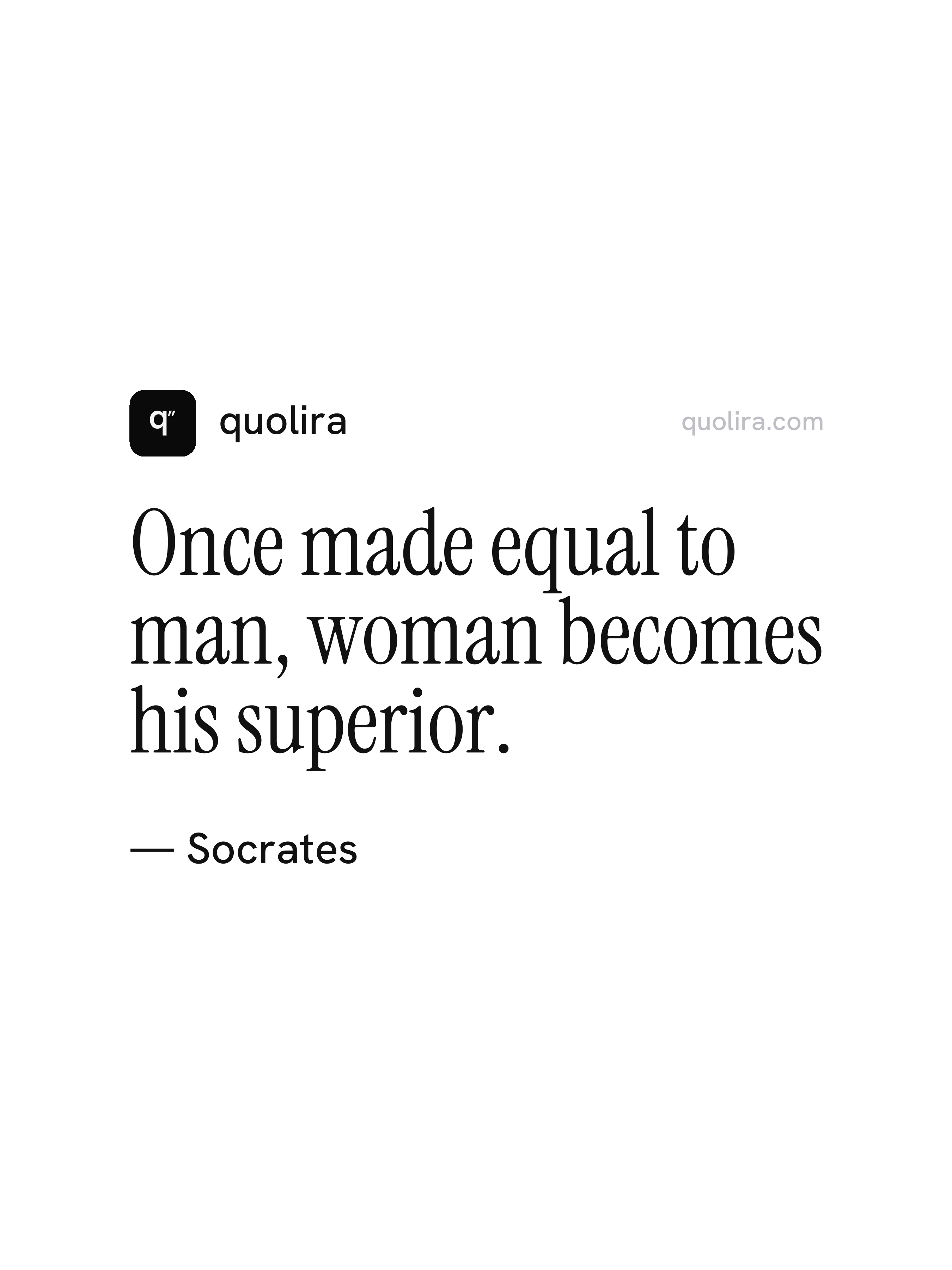
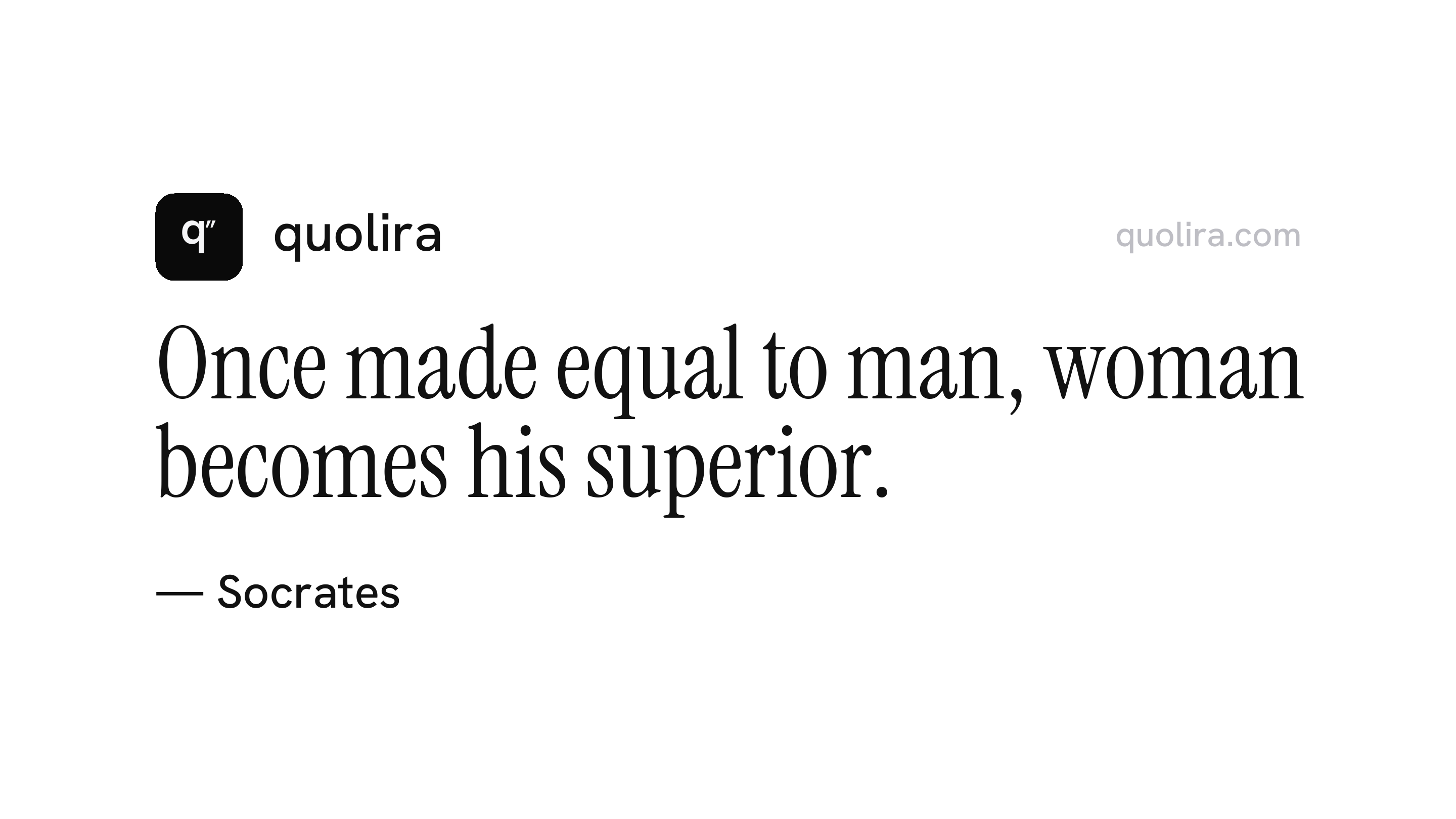
“Once made equal to man, woman becomes his superior.”
Socrates · attributed
“Know thyself.”
Socrates · adopted from the Delphic maxim
“Death may be the greatest of all human blessings.”
Socrates · Plato, Apology
“Beware the barrenness of a busy life.”
Socrates · attributed
“I cannot teach anybody anything. I can only make them think.”
Socrates · attributed