15 Epicurus Quotes on Resilience That Steady the Mind
Ancient lines for keeping your footing when life pushes back.
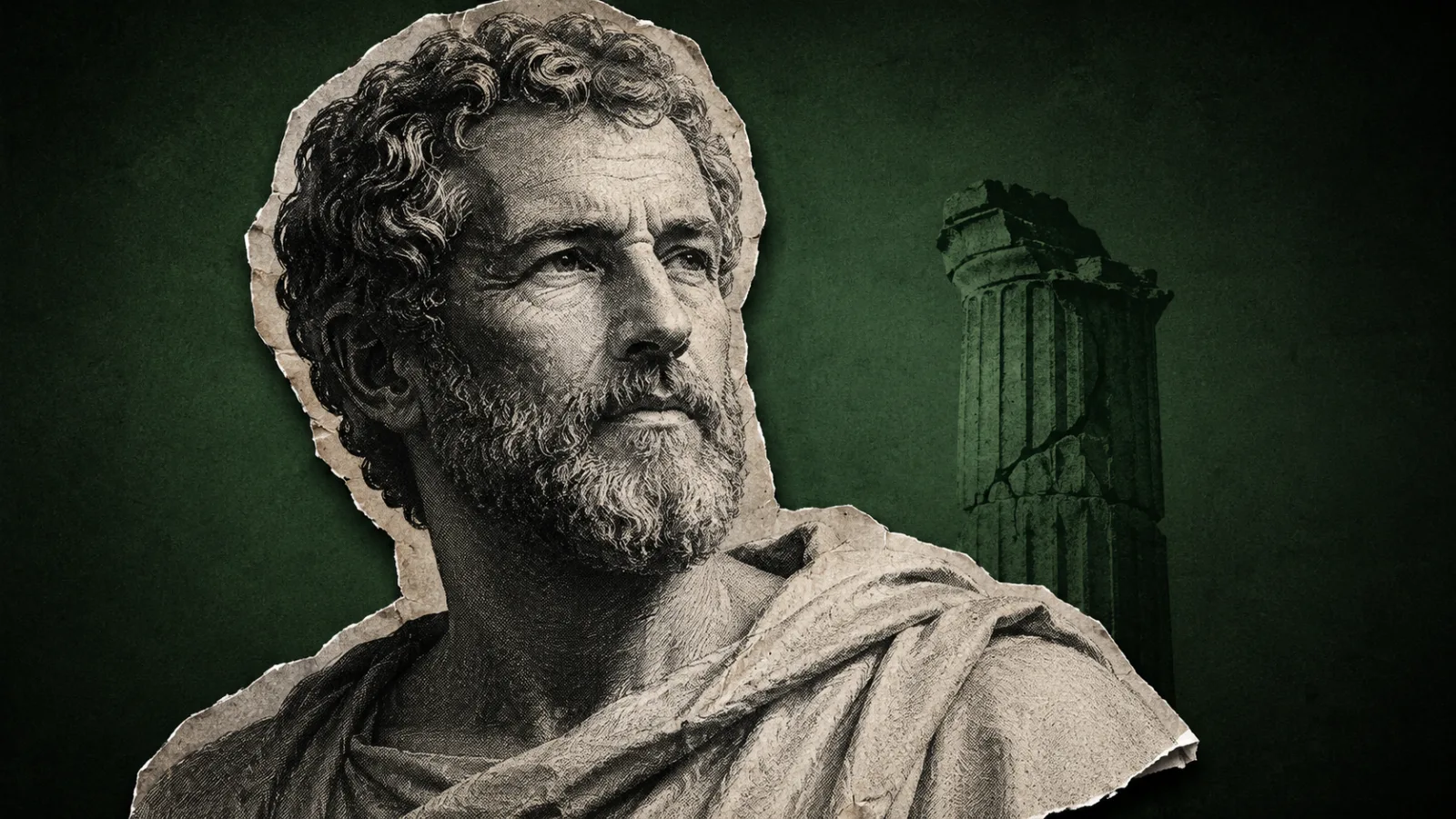
These epicurus quotes on resilience show how a Greek philosopher from the fourth century BC handled fear, pain, and loss without flinching. Epicurus wasn't peddling indulgence. He taught a hard-won calm built on plain needs and clear thinking, which is where this kind of inner strength comes from. Read these slowly. They reward it.
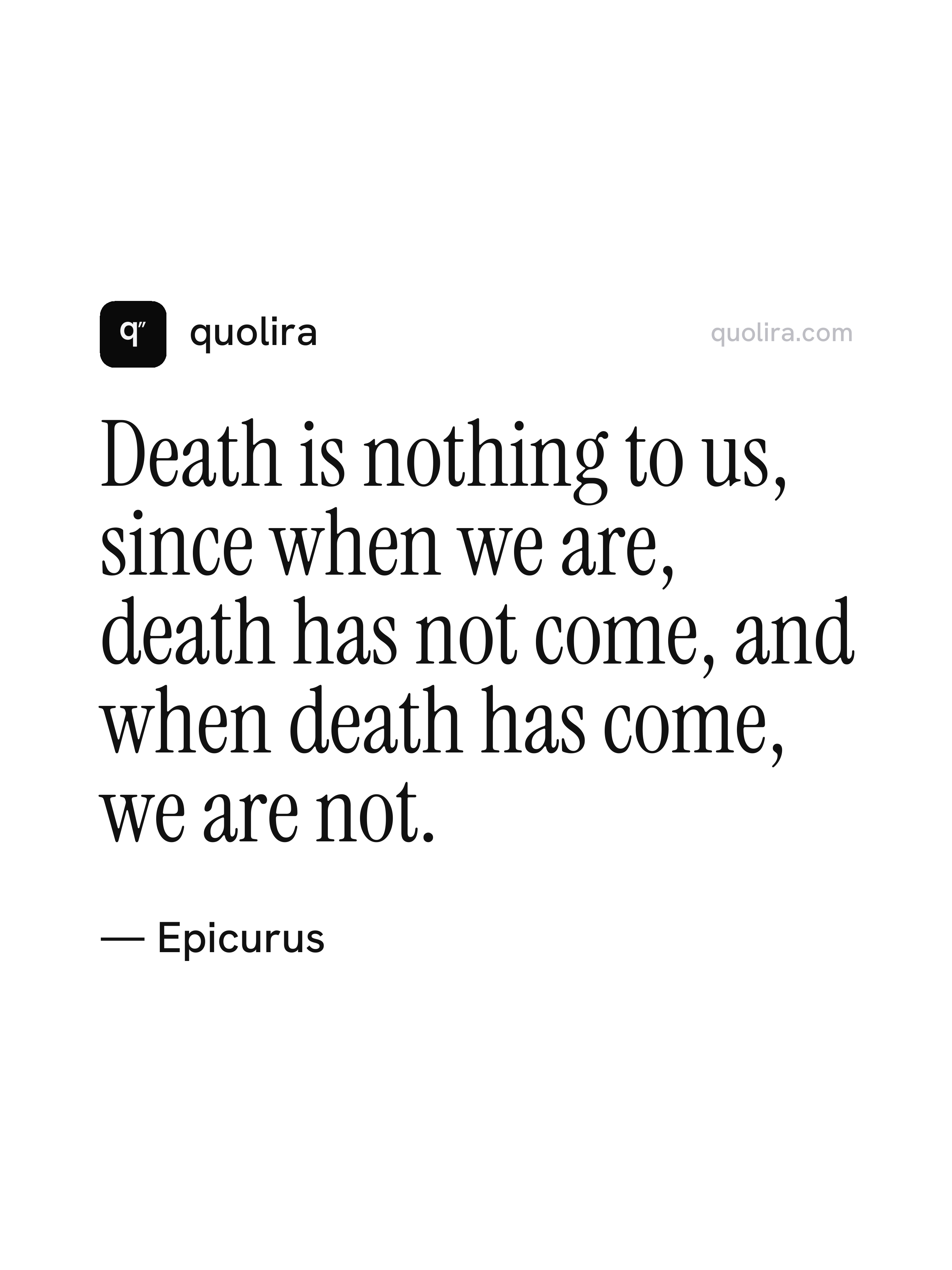
Death is nothing to us, since when we are, death has not come, and when death has come, we are not.
Do not spoil what you have by desiring what you have not; remember that what you now have was once among the things you only hoped for.
Resilience often starts with noticing you already cleared the bar you used to chase. A quiet cure for the restlessness that wears people down.

He who is not satisfied with a little, is satisfied with nothing.
If enough is never enough, no amount of good fortune will hold you up. Wanting less is its own kind of armor.

Not what we have but what we enjoy, constitutes our abundance.
A reframe of wealth that holds up in hard times. You can lose a lot and still keep the part that mattered.

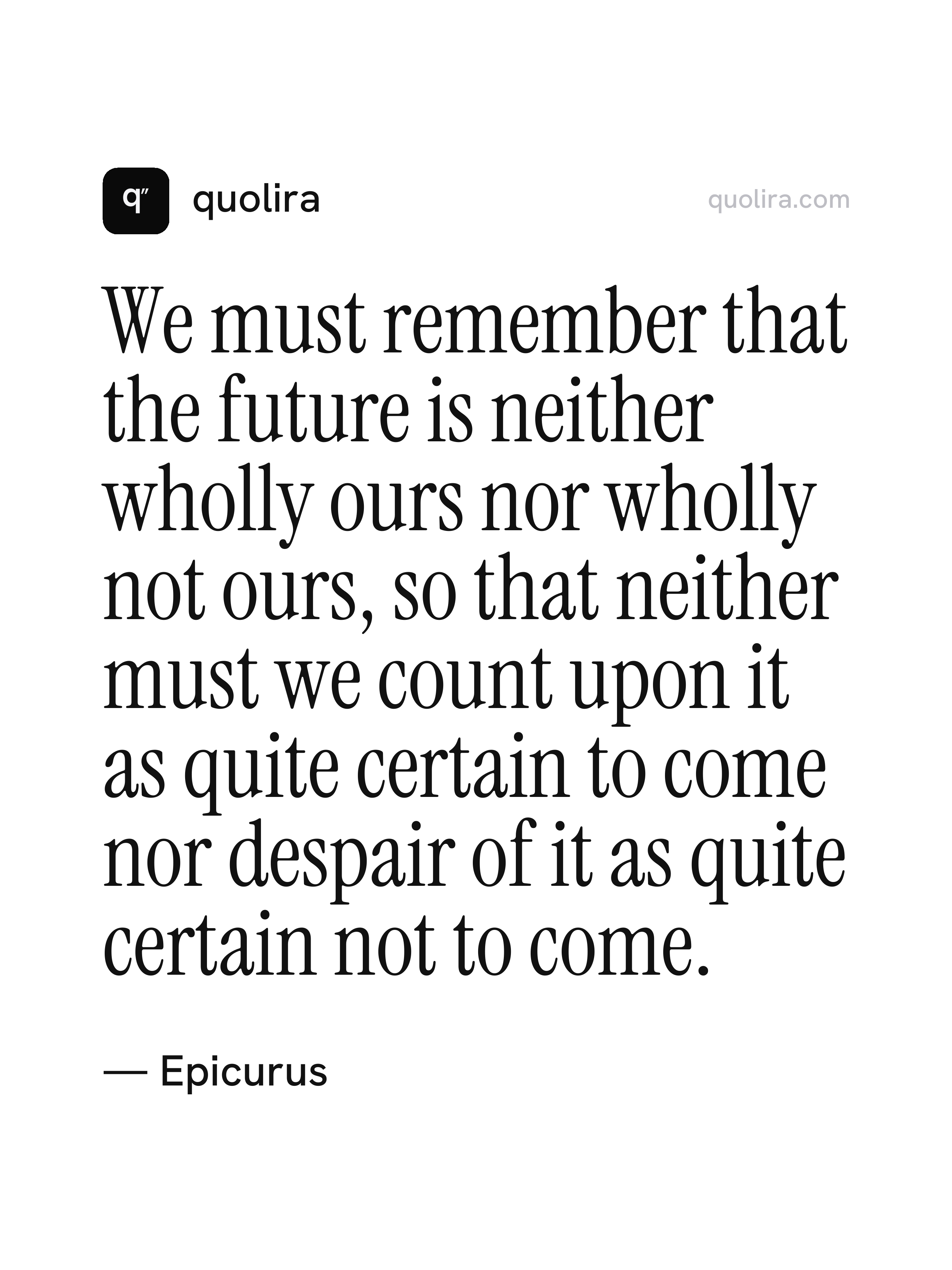
We must remember that the future is neither wholly ours nor wholly not ours, so that neither must we count upon it as quite certain to come nor despair of it as quite certain not to come.
A steady stance between false hope and dread. You plan without clinging, and that keeps you flexible when things shift.
The Art of Happiness by Epicurus (Penguin)
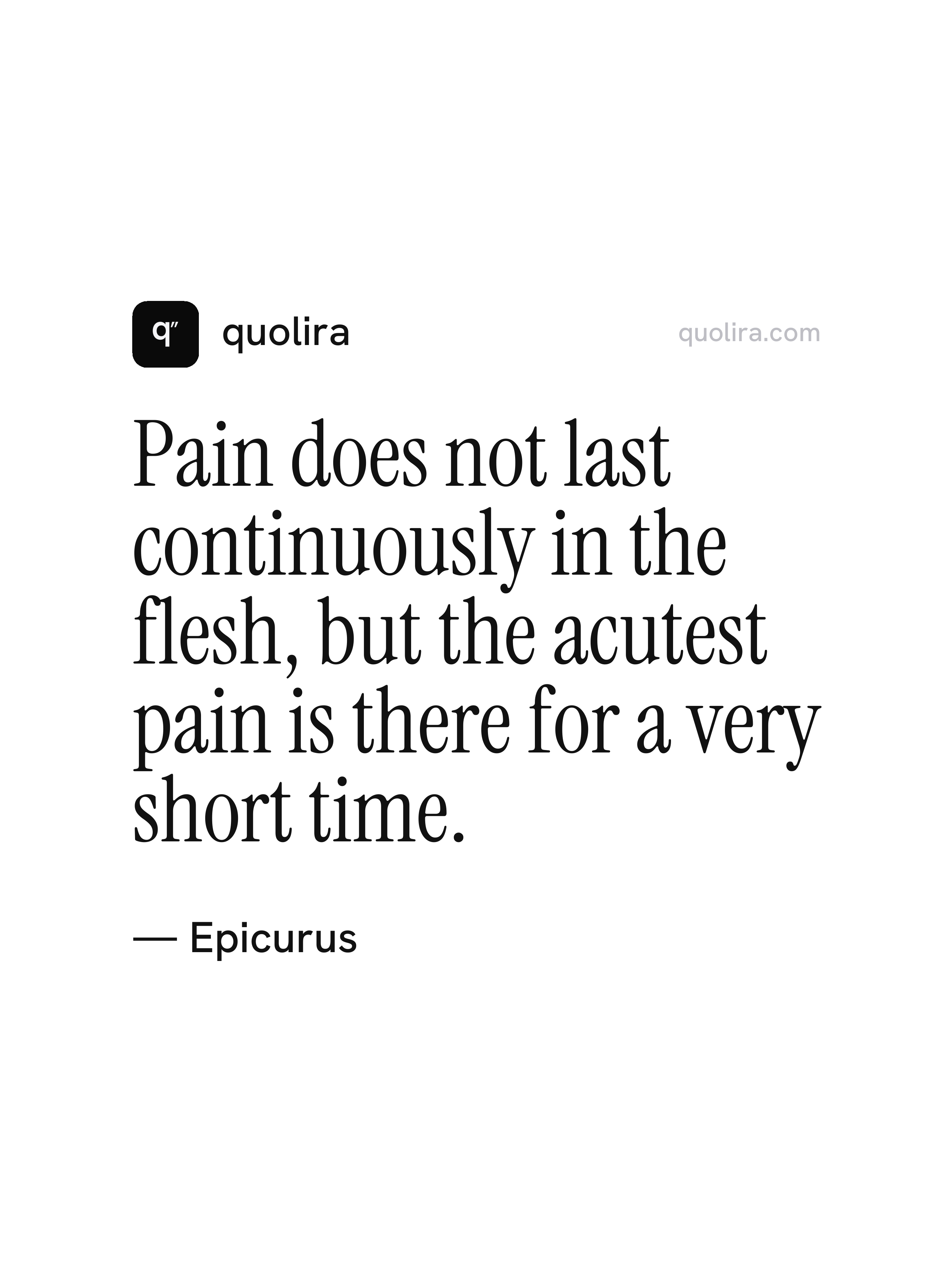
Pain does not last continuously in the flesh, but the acutest pain is there for a very short time.
His claim that real agony is brief and chronic pain stays milder. Whether or not it's medically tidy, it gives you something to hold onto.
It is not so much our friends' help that helps us, as the confidence of their help.
Knowing someone has your back carries you through more than the help itself. Belonging is half the strength.
The greater the difficulty, the more glory in surmounting it. Skillful pilots gain their reputation from storms and tempests.
Hard conditions are where capability gets proven. Calm seas never made a sailor worth talking about.

Is a man unhappy because of exile? Then set before me one who is content in exile.
He keeps pointing at the person who endured the same loss and stayed whole. Proof that the circumstance isn't the whole story.

It is folly for a man to pray to the gods for that which he has the power to obtain by himself.
Resilience leans on what you can actually do. Save the wishing for things outside your reach.
Letters and Sayings of Epicurus
Of all the means to insure happiness throughout the whole life, by far the most important is the acquisition of friends.
He saw friendship as the sturdiest support a person could build. People recover faster when they aren't doing it alone.
If thou wilt make a man happy, add not unto his riches but take away from his desires.
The math runs the other way from how we usually think. Cut the wanting and the same life suddenly fits.

The wise man who has become accustomed to necessities knows better how to share with others than how to take from them.
Living lean makes you generous instead of grasping. There's a quiet steadiness in needing little.

We do not so much need the help of our friends as the confidence of their help in need.
He returns to the same idea from a slightly different angle: trust is the load-bearing part. The promise carries you before the help arrives.
Nothing is enough for the man to whom enough is too little.
A short knot worth untangling slowly. The man who can't be satisfied has built a hole nothing fills, and that's where fragility lives.

Resilience, for Epicurus, was mostly about wanting less and fearing less. Keep one of these lines close and see how much weight it quietly carries.
Frequently asked questions
Who was Epicurus?
What did Epicurus say about pain and suffering?
Was Epicurus a Stoic?
Keep reading

16 Alice in Wonderland Quotes That Still Make You Stop and Think
The strange logic of Wonderland has a way of feeling truer than the real world.

14 Seneca Self Love Quotes on Befriending Yourself
Ancient Stoic wisdom on why the friendship you owe yourself comes before every other bond.








12 Amor Fati Quotes on Loving Your Fate
Twelve reflective lines about accepting everything life hands you, even the hard parts.
His most famous argument against fear: the thing you dread is never actually present with you. Take it apart and most of its power drains away.