17 Marcus Aurelius Quotes on Fate That Still Hit Hard
The emperor who accepted what he couldn't control and wrote it all down.
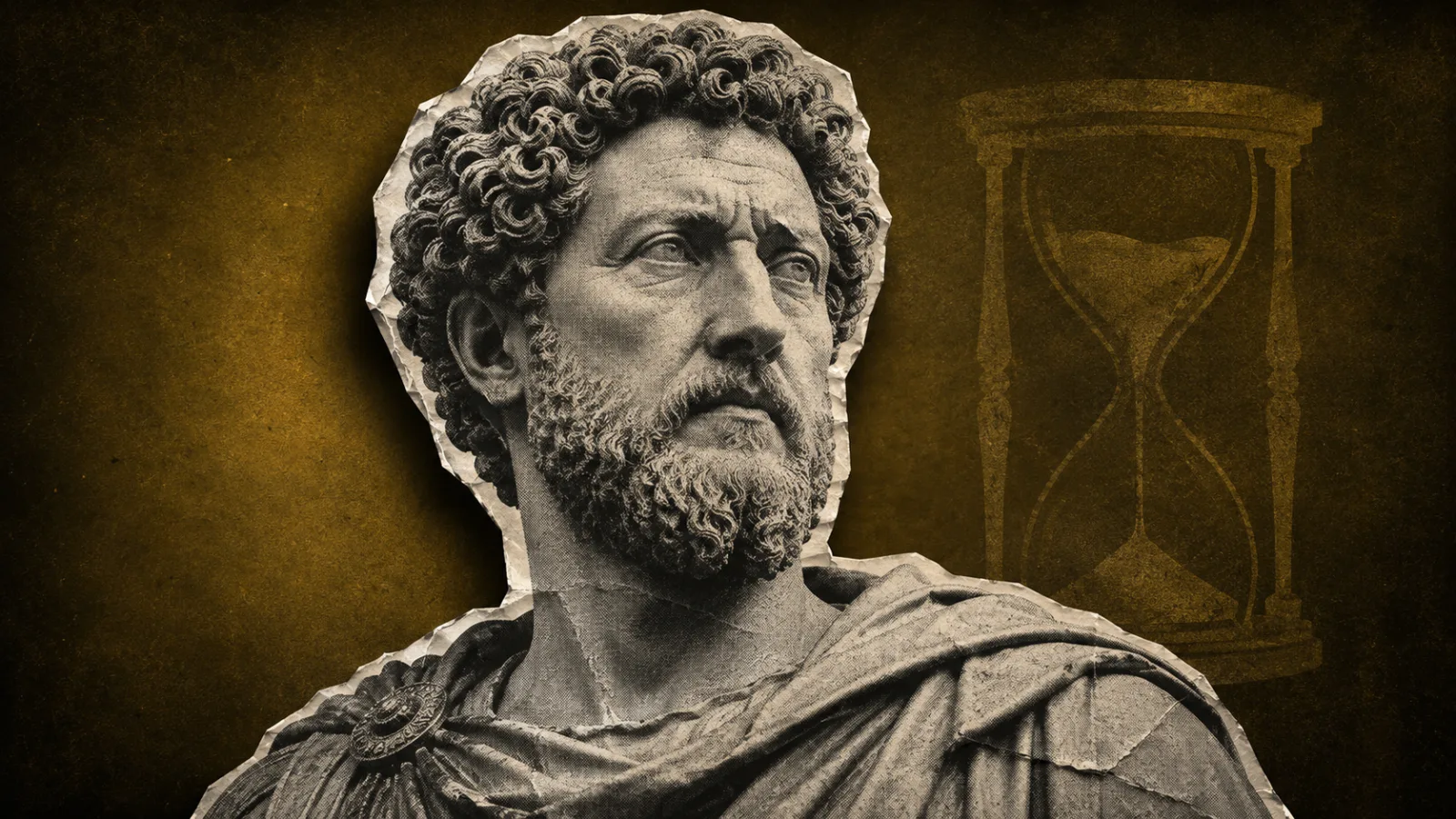
Marcus Aurelius fate quotes cut straight to something most of us spend years avoiding: the fact that the universe doesn't owe you a plan you'll like. The Meditations, written around 170 CE as private notes to himself, are filled with Stoic acceptance and a bone-dry clarity about human powerlessness over external events. What's remarkable is that he wasn't performing philosophy. He was a ruling emperor writing reminders to get through his own days. These 17 quotes prove he figured out something worth holding onto.
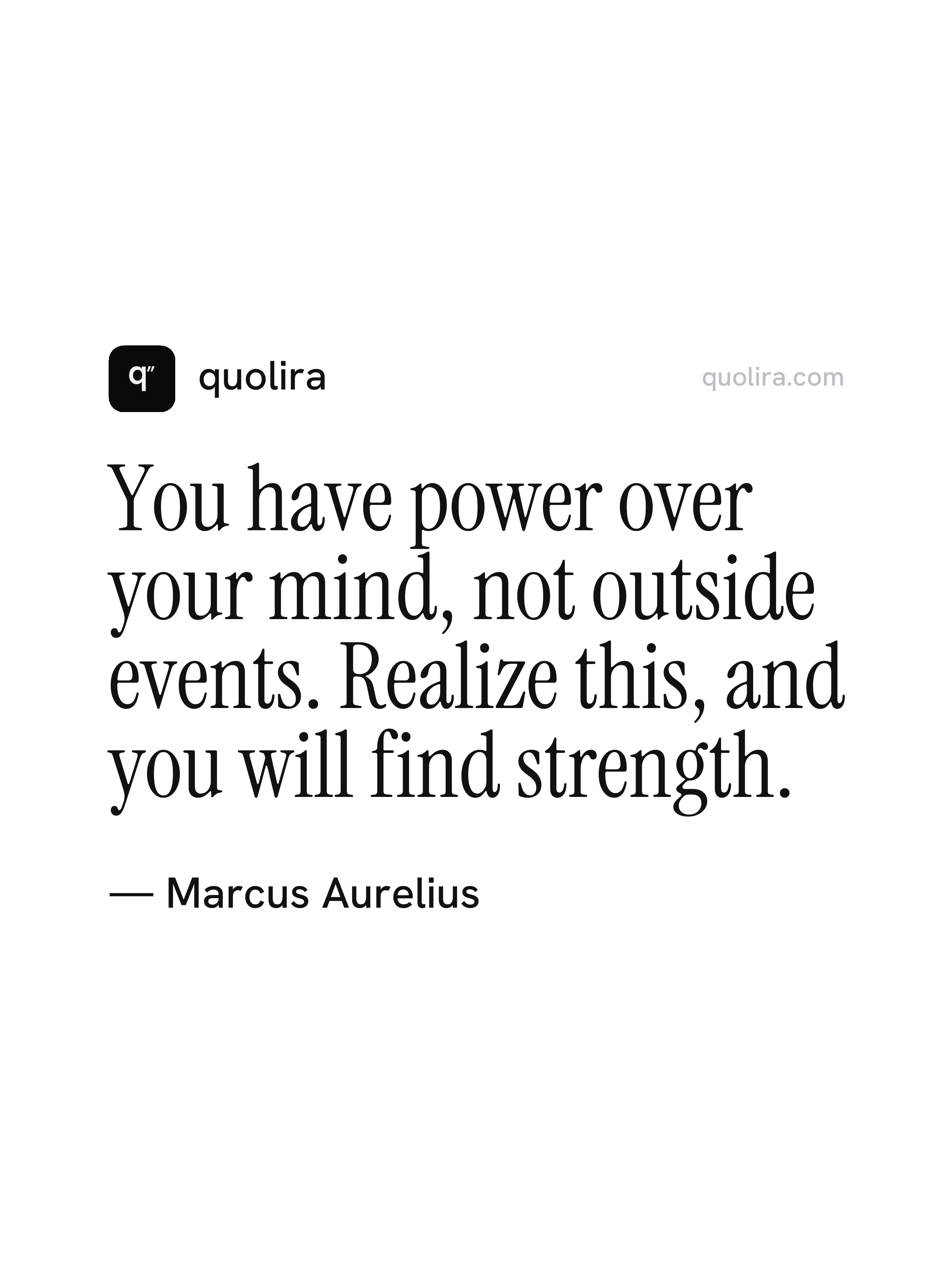
You have power over your mind, not outside events. Realize this, and you will find strength.
Accept the things to which fate binds you, and love the people with whom fate brings you together, and do so with all your heart.
Two imperatives packed into one sentence: accept circumstances, love people. Aurelius didn't see those as separate projects.

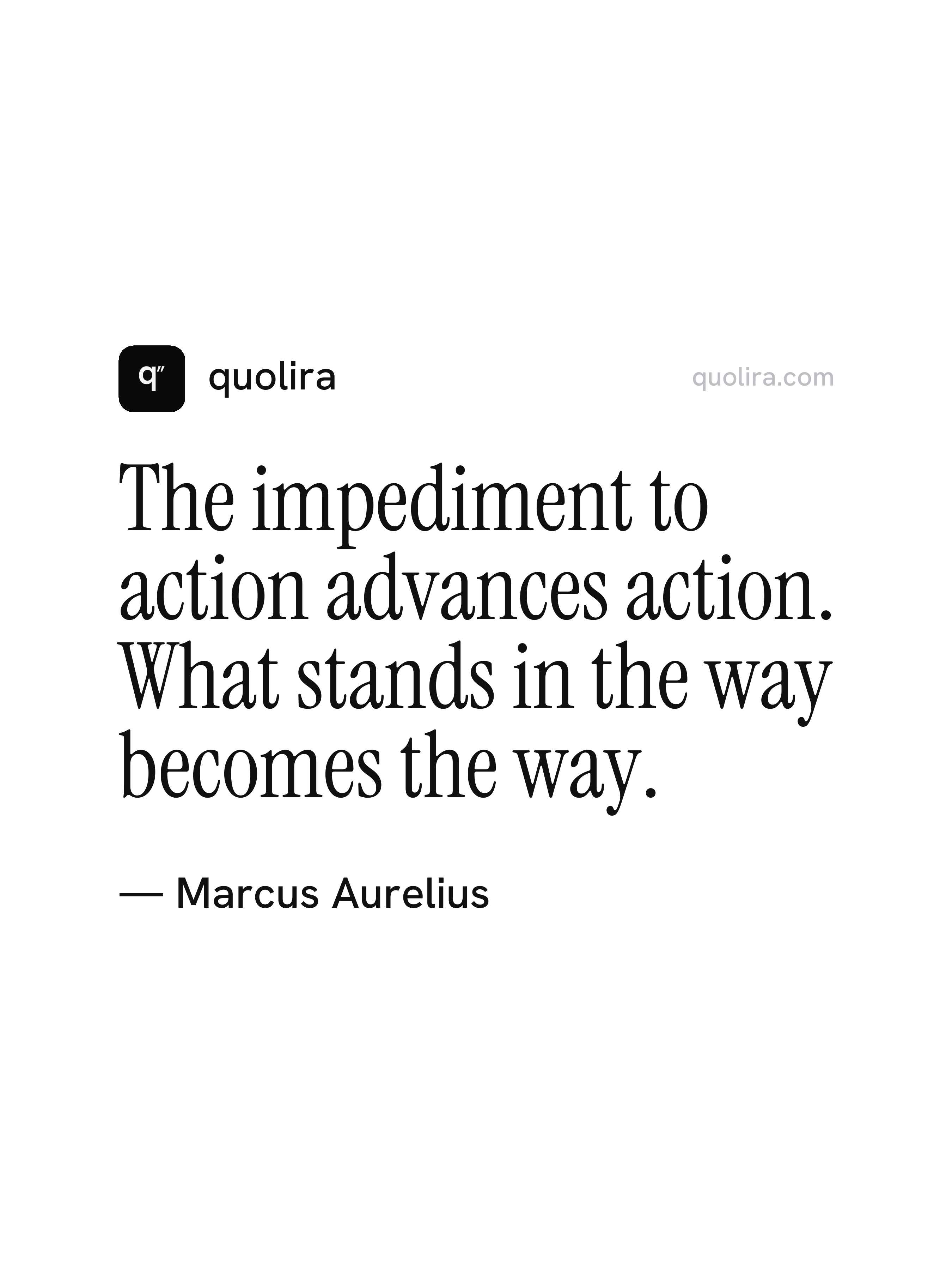
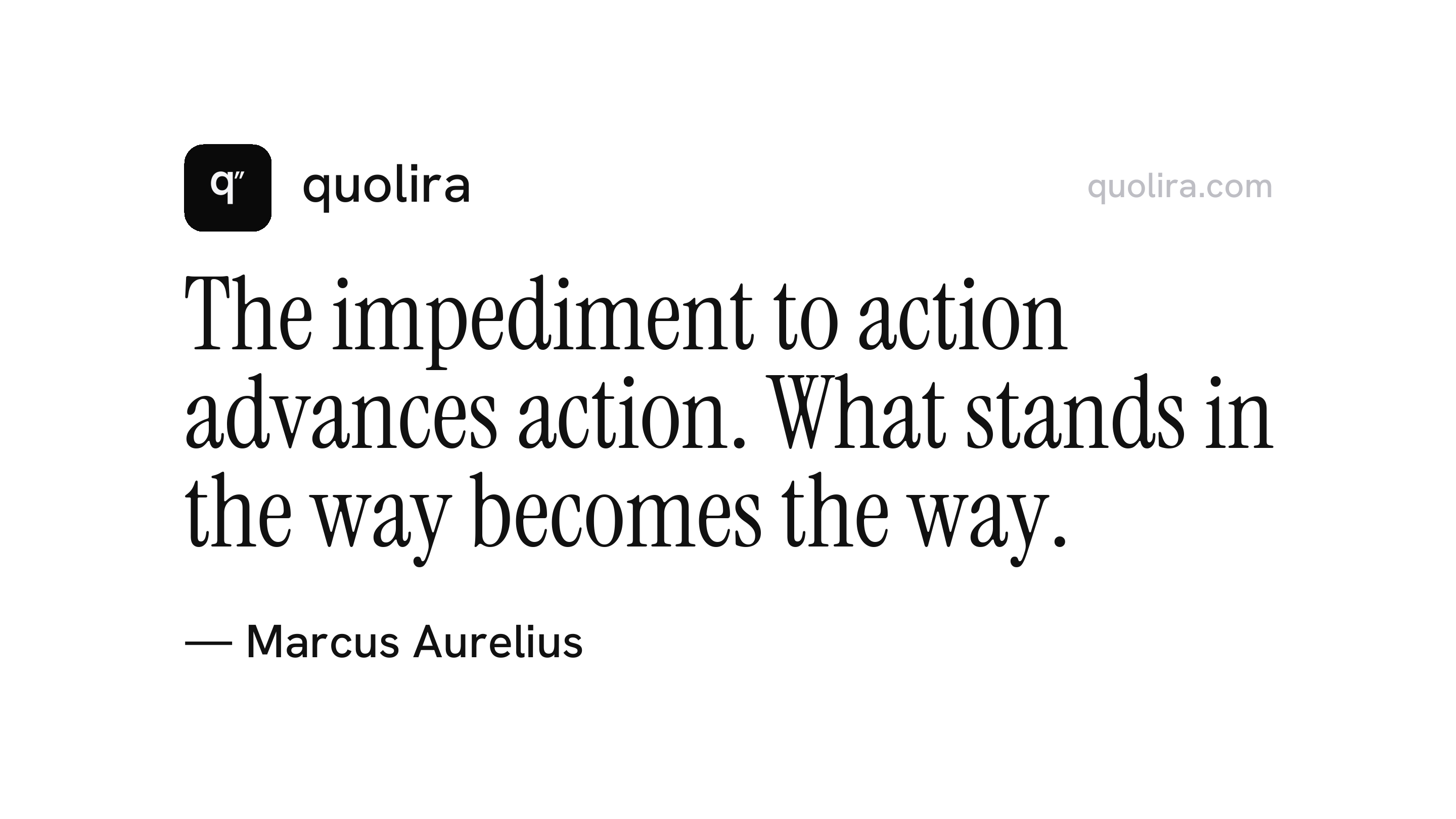
The impediment to action advances action. What stands in the way becomes the way.
Marcus Aurelius Meditations, Book 5
Ryan Holiday built a whole book around this idea, which tells you something. Aurelius was saying that fate's obstacles aren't interruptions to the path they are the path.
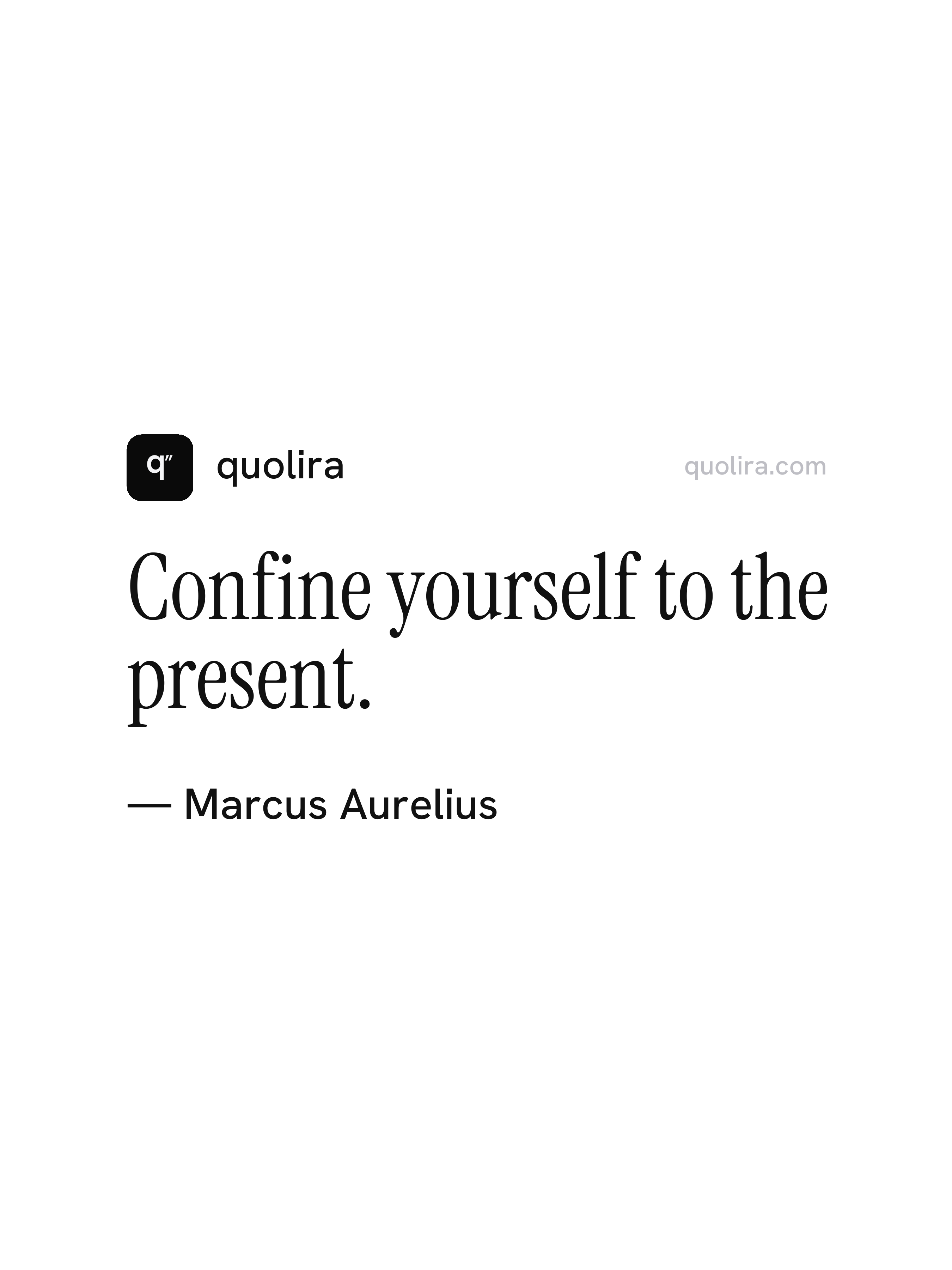
Confine yourself to the present.
Three words. No warm-up, no elaboration needed. He understood that fate operates in the present moment and so does your only real leverage.
Meditations by Marcus Aurelius (Gregory Hays translation)
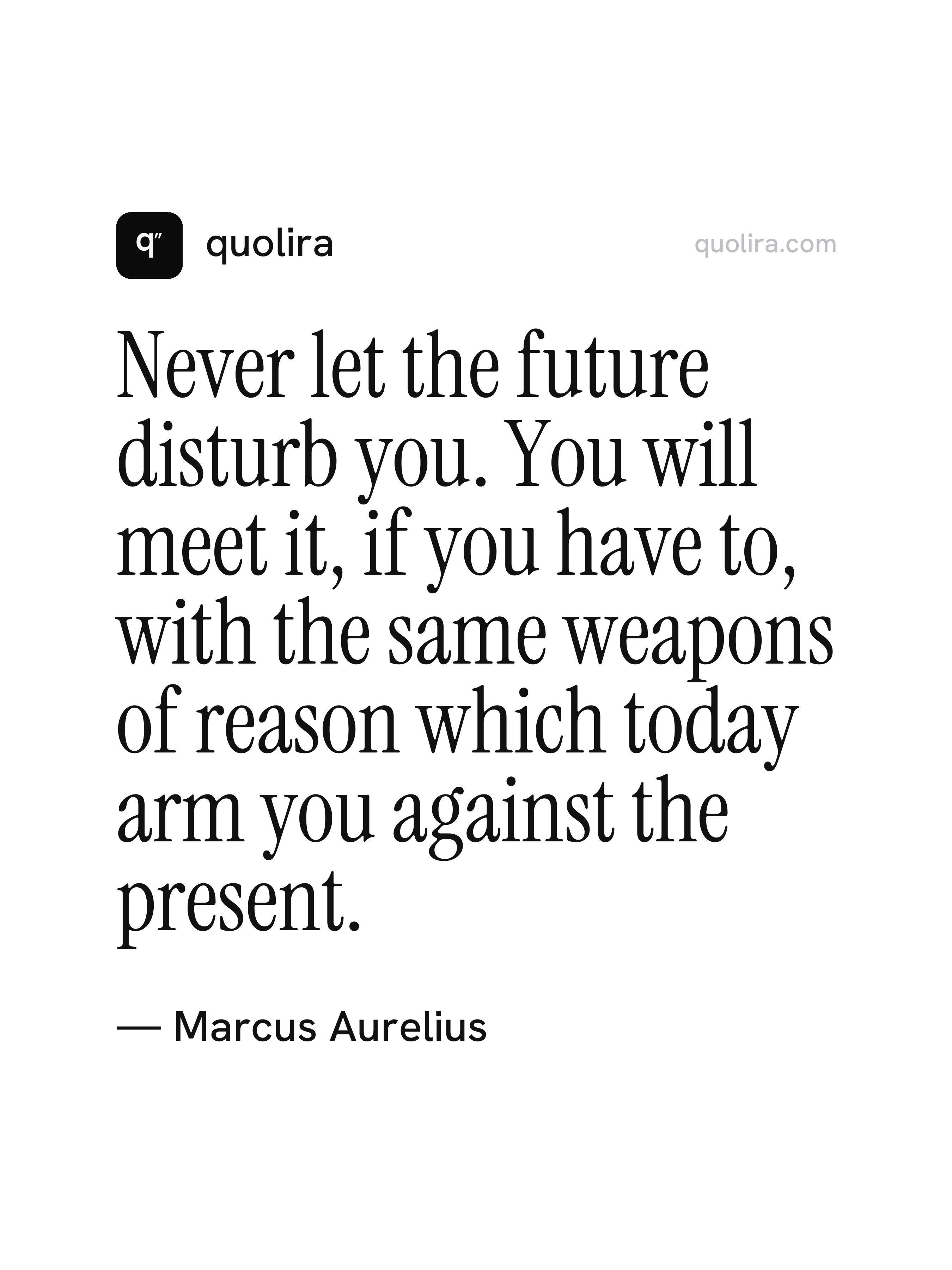
Never let the future disturb you. You will meet it, if you have to, with the same weapons of reason which today arm you against the present.
Marcus Aurelius Meditations, Book 7
There's something almost military about this which makes sense given he wrote it during active campaigns. The tools you have now are the tools you'll have then. Stop rehearsing catastrophe.
Loss is nothing else but change, and change is Nature's delight.
Grief reframed as cosmology. Aurelius didn't pretend loss doesn't hurt; he placed it inside a larger process that doesn't require your approval to keep moving.

It is not death that a man should fear, but he should fear never beginning to live.
He turned the anxiety about fate's endpoint back toward the present. The threat isn't what fate eventually does to you; it's what you do with the time before it arrives.

Waste no more time arguing about what a good man should be. Be one.
Fate gives you a window; Aurelius kept reminding himself not to spend it in theory. Action first, philosophy second.

The first rule is to keep an untroubled spirit. The second is to look things in the face and know them for what they are.
Two rules, tight order. Composure before analysis. Aurelius understood you can't see clearly when you're already reacting.

The Daily Stoic by Ryan Holiday
You could leave life right now. Let that determine what you do and say and think.
Blunt even by Stoic standards. Using mortality as a compass, not a threat that's the move here.

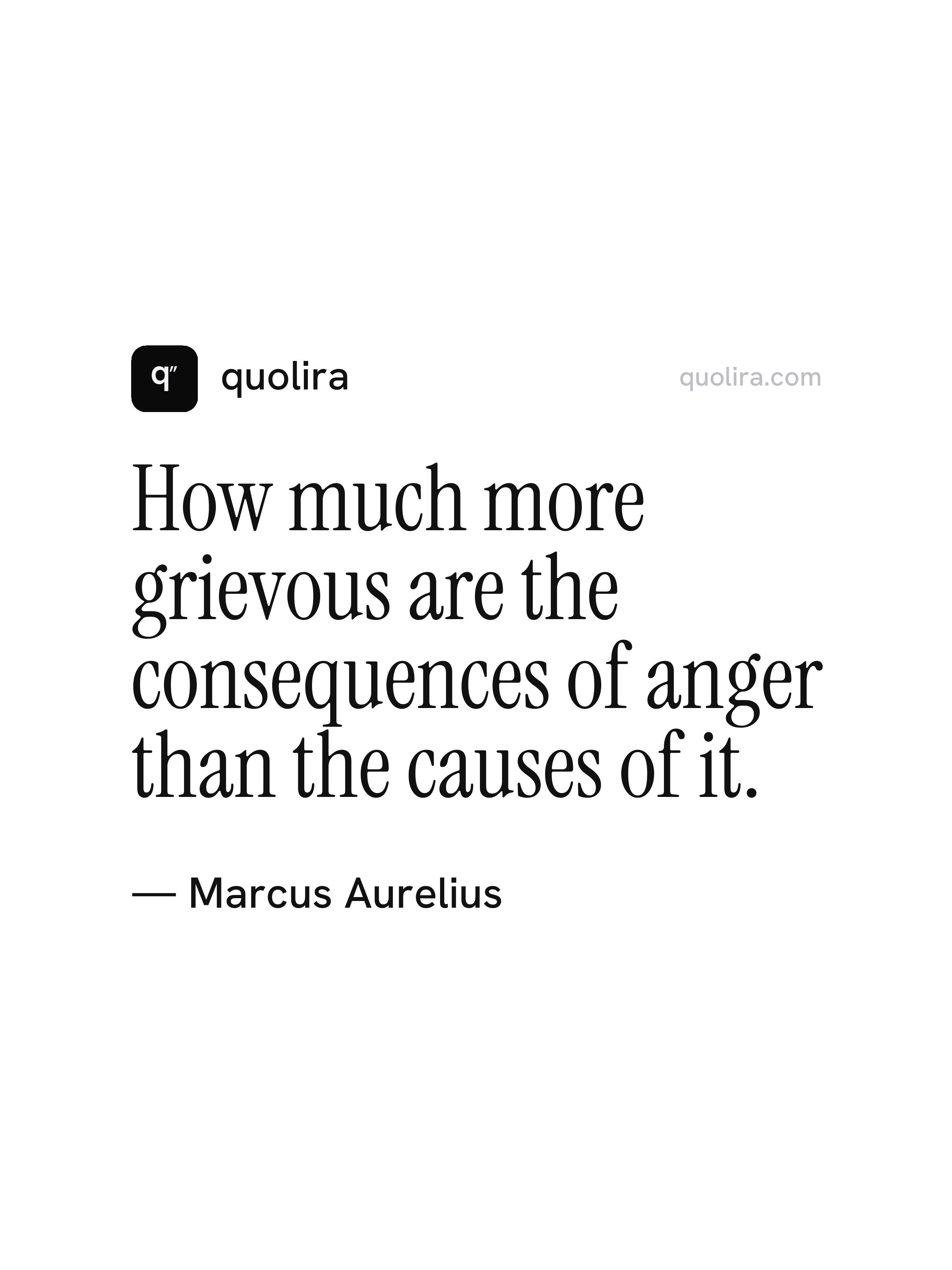
How much more grievous are the consequences of anger than the causes of it.
A quiet observation about the cost of resisting what fate delivers. The damage from the tantrum usually outweighs the damage from the original event.
The universe is change; our life is what our thoughts make it.
Marcus Aurelius Meditations, Book 4
The first half is a statement about fate; the second is a statement about freedom. He holds both without trying to resolve the tension.

When you wake up in the morning, tell yourself: the people I deal with today will be meddling, ungrateful, arrogant, dishonest, jealous, and surly.
Marcus Aurelius Meditations, Book 2
The emperor of Rome wrote this as his morning routine. Expecting difficulty from fate and from people wasn't pessimism for him it was preparation.

How to Think Like a Roman Emperor by Donald Robertson
Receive without pride, relinquish without struggle.
Four words on each side of a comma, and together they describe a complete relationship with fate. Clinging to what you're given is as problematic as refusing it.

Very little is needed to make a happy life; it is all within yourself, in your way of thinking.
He was emperor of the known world when he wrote this. The argument carries weight precisely because he had access to everything and still landed here.

Perfection of character is this: to live each day as if it were your last, without frenzy, without apathy, without pretense.
The three conditions at the end do real work. Living as if it's your last day can tip into panic or nihilism; Aurelius added the guardrails.

Do not indulge in dreams of what you have not, but count the blessings actually present.
A Roman emperor writing gratitude practice into his private journal, two millennia before it became a wellness trend. The advice hasn't aged.

Aurelius wrote the Meditations for himself, never expecting anyone to read them. That's probably why they still work.
Frequently asked questions
What did Marcus Aurelius say about fate?
Where are Marcus Aurelius's quotes from?
Was Marcus Aurelius a Stoic philosopher?
What is the main message of Marcus Aurelius on fate?
Keep reading

YHPRUM's Law: Everything That Can Go Right, Will
Yhprum's Law is Murphy's Law read backwards, and it might be the more honest of the two.
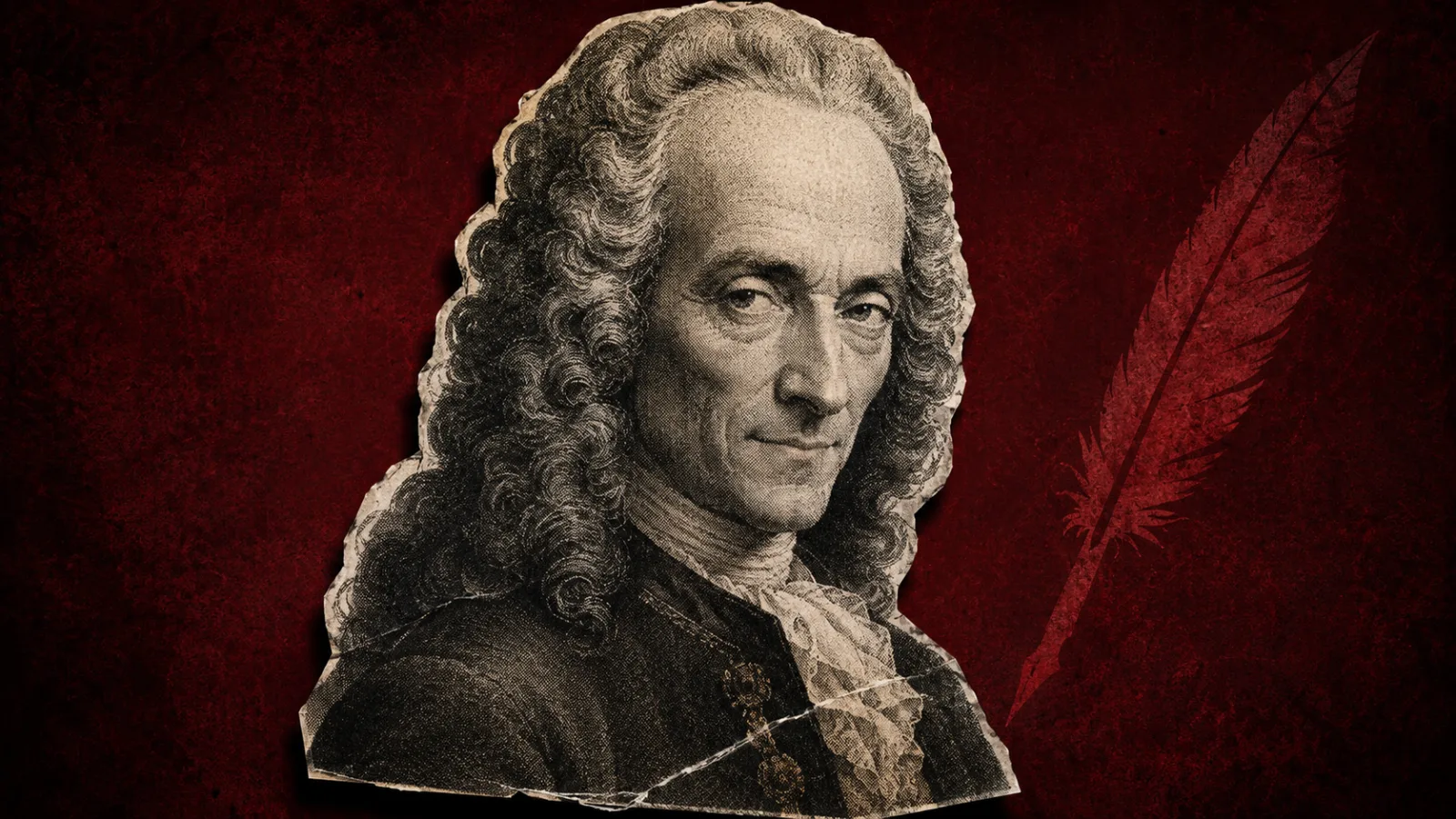
14 Voltaire Quotes That Still Cut to the Bone
The French philosopher said the quiet parts loud, centuries before it was fashionable.














12 Leo Tolstoy Quotes on Blame That Will Make You Look Inward
The Russian master had a lot to say about fault, and almost none of it pointed outward.
This is the one people tattoo on their arms, and it earns the attention. Aurelius wrote it as a daily reminder to himself, not a motivational poster which makes it sharper, not duller.