21 Che Guevara Quotes That Still Cut Deep
The revolutionary's words on justice, struggle, and what it means to be truly alive.
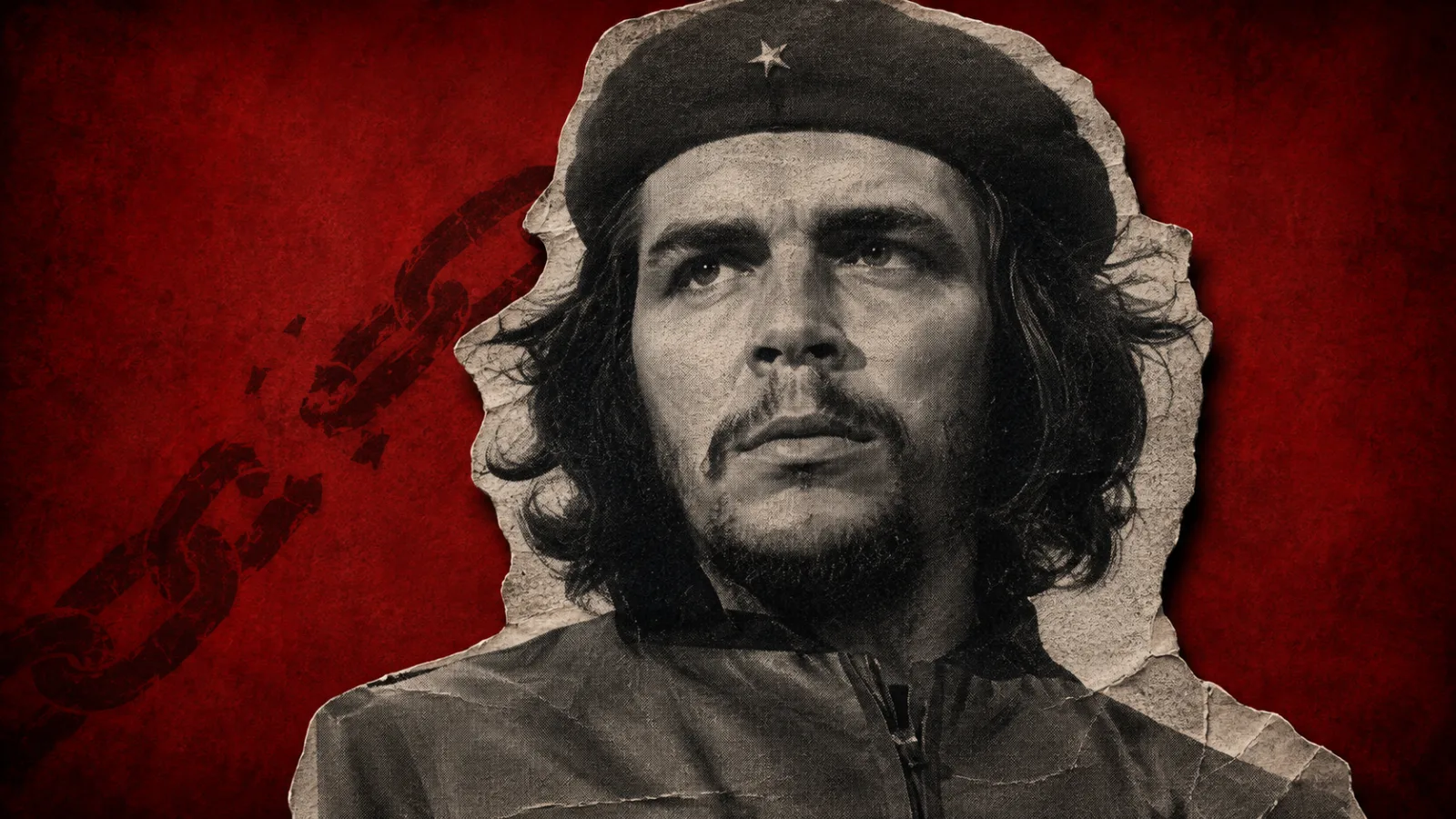
Che Guevara quotes have circulated on walls, t-shirts, and protest signs for decades, but strip away the iconography and you find something sharper: a man who thought hard about revolution, sacrifice, and the cost of indifference. Ernesto "Che" Guevara was a doctor turned guerrilla commander who helped topple the Batista regime in Cuba in 1959, and his writing reflects someone who genuinely wrestled with what he believed. Some of these lines are uncomfortable. A few are surprisingly tender. All of them demand something from the reader.
The true revolutionary is guided by great feelings of love.
I am not a liberator. Liberators do not exist. The people liberate themselves.
A rare moment of anti-heroic clarity from someone who was being turned into a symbol even while he was alive. He kept pushing the credit back to collective action.
We cannot be sure of having something to live for unless we are willing to die for it.
Hard to read this one without feeling its weight. Guevara lived by it, and in 1967 in Bolivia, he died by it too.
If you tremble with indignation at every injustice, then you are a comrade of mine.
His definition of solidarity wasn't ideological alignment. It was a gut-level reaction to unfairness. Anger at injustice, for Guevara, was a moral credential.
Let the world change you and you can change the world.
Che Guevara The Motorcycle Diaries
This comes from the early journals, written before the revolution, when Guevara was still a medical student riding a broken motorcycle through South America. The openness here is striking compared to his later certainty.
The Motorcycle Diaries by Ernesto Che Guevara
Every person has the truth in his heart. No matter how complicated his circumstances, no matter how others look at him from the outside, he can find it. The important thing is to dig it out and use it.
Guevara rarely got this inward-looking in his public writing. This reads more like a personal note than a political manifesto, which is why it sticks.
Hasta la victoria siempre.
Che Guevara Farewell letter to Fidel Castro, 1965
"Until victory, always." He used this as a sign-off when he left Cuba to continue fighting elsewhere. It became the closing line of his farewell letter, one of the most famous documents of 20th-century Latin American politics.
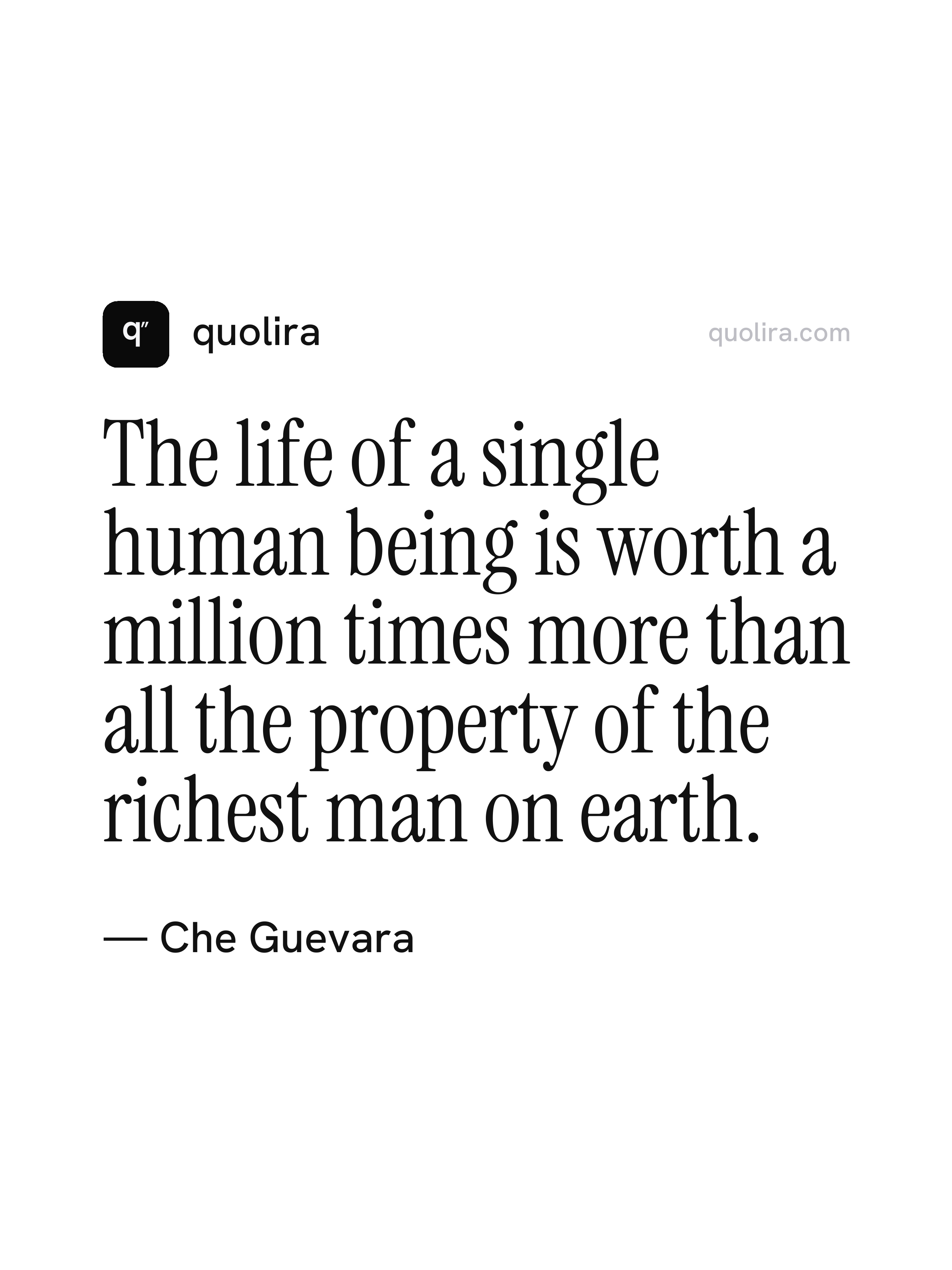
The life of a single human being is worth a million times more than all the property of the richest man on earth.
Che Guevara Speech at the United Nations, December 11, 1964
He said this at the UN General Assembly, in front of delegates from governments he was actively challenging. As confrontations go, it was fairly direct.
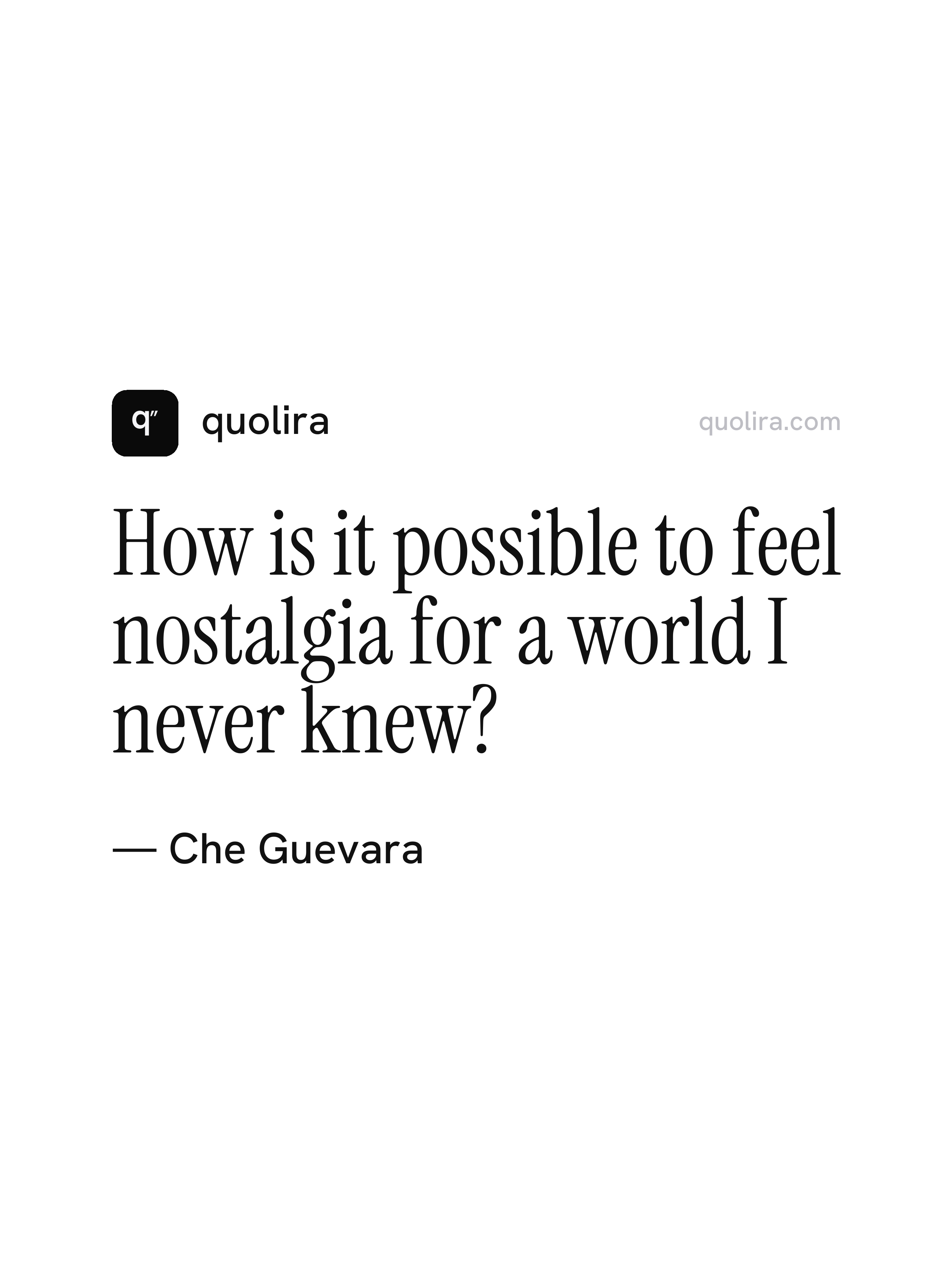
How is it possible to feel nostalgia for a world I never knew?
Che Guevara The Motorcycle Diaries
One of the most quietly beautiful lines in all his writing. He was looking at the landscape of Machu Picchu when he wrote it, and the feeling is recognizable to anyone who's ever mourned something they never had.
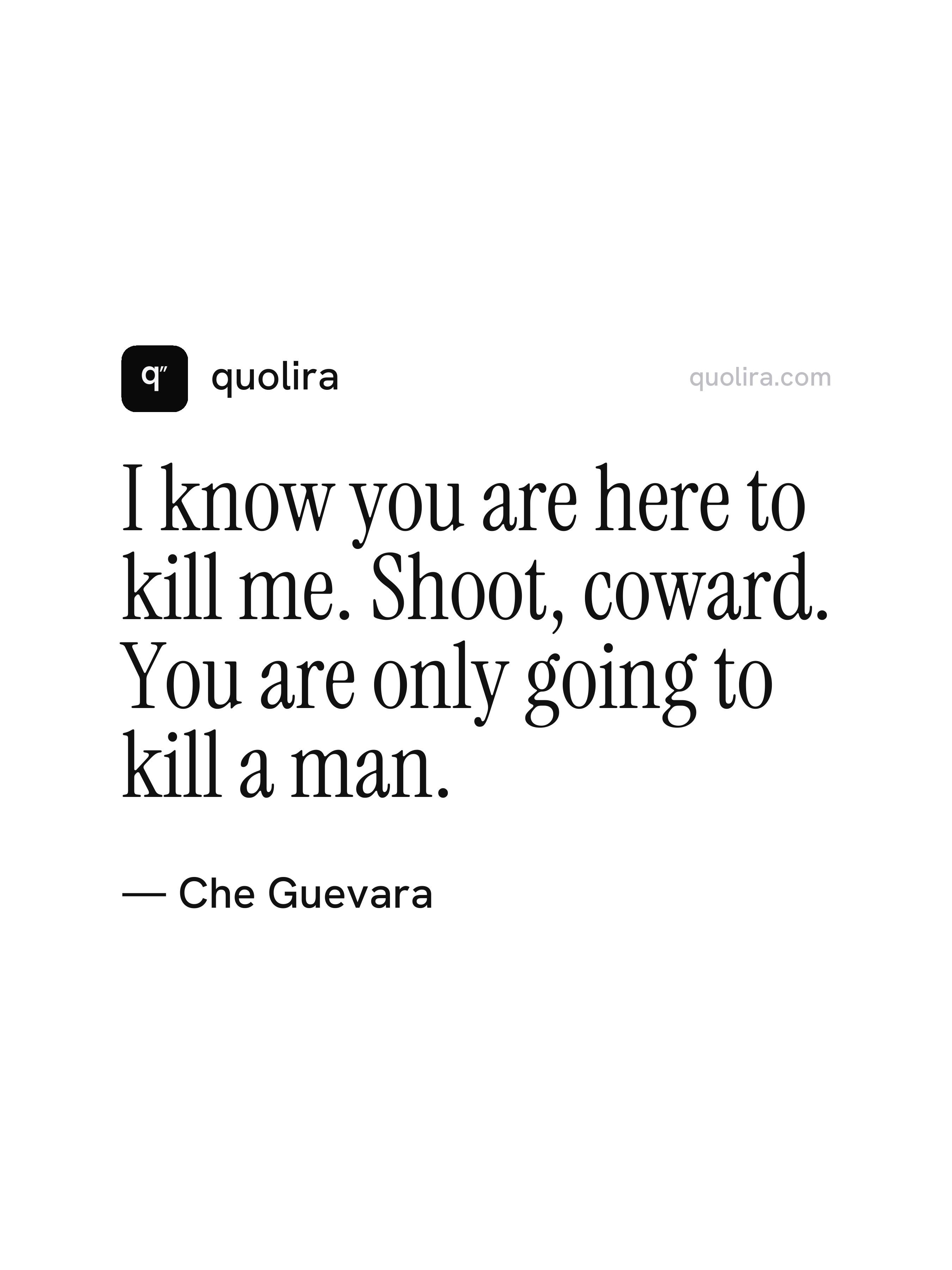
I know you are here to kill me. Shoot, coward. You are only going to kill a man.
Che Guevara Last words, October 9, 1967, La Higuera, Bolivia
His documented last words before execution. Whether or not the exact phrasing is precise, multiple witnesses corroborated the composure. He was 39.
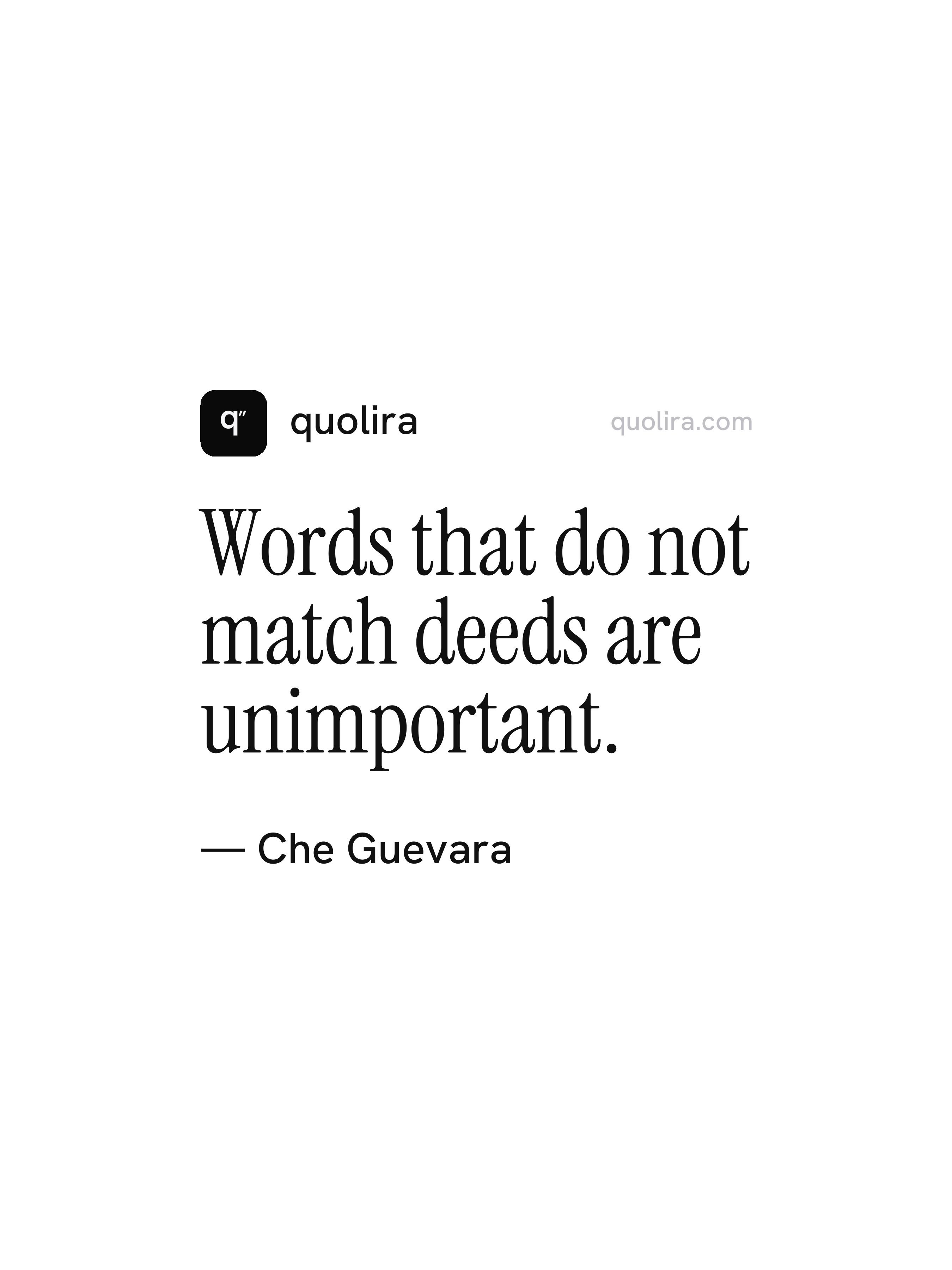
Words that do not match deeds are unimportant.
Guevara was deeply suspicious of people who theorized without acting. He left a medical career and a family to fight in Cuba, Congo, and Bolivia. For him, credibility was earned in motion.
Guerrilla Warfare by Che Guevara
The revolution is not an apple that falls when it is ripe. You have to make it fall.
A direct argument against waiting for the right conditions. Guevara thought the foco theory of revolution required active provocation, not patient organizing. History judged that theory harshly in Bolivia.
We must carry the war into every corner the enemy happens to carry it: to his home, to his centers of entertainment; a total war.
Che Guevara Message to the Tricontinental, 1967
This is the harder Guevara, the one who gets left off the t-shirts. Including it here is honest. His vision of revolution was not bloodless, and he said so plainly.
I don't care if I fall as long as someone else picks up my gun and keeps on shooting.
The personal willingness to be replaced is the most consistent theme across everything Guevara wrote. He wasn't interested in being the story. He wanted the cause to outlive him, and in a strange way it did.
Cruel leaders are replaced only to have new leaders turn cruel.
A flash of political cynicism that many readers don't expect from him. It suggests he understood the cycle he was inside, even if he couldn't step out of it.
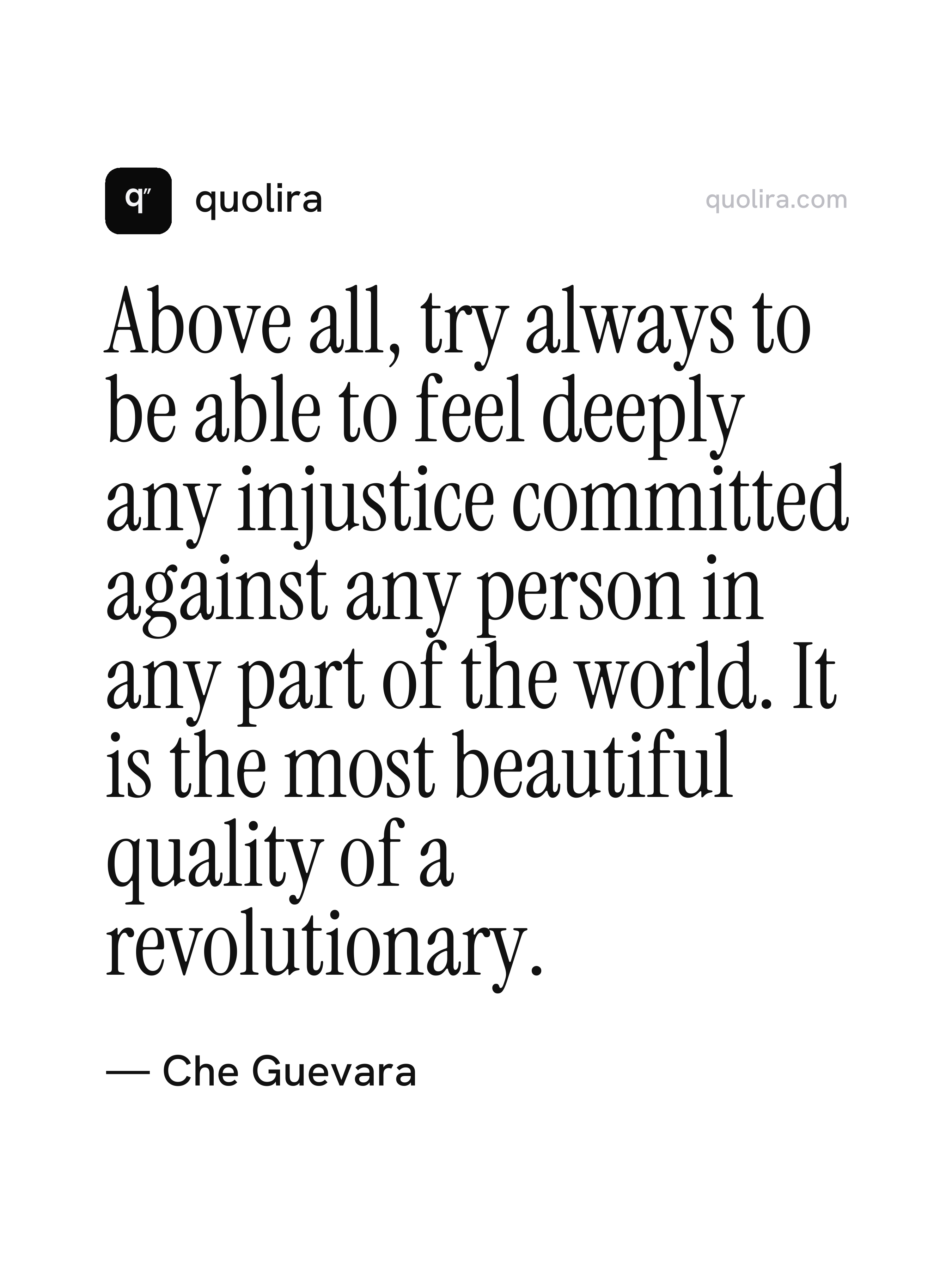
Above all, try always to be able to feel deeply any injustice committed against any person in any part of the world. It is the most beautiful quality of a revolutionary.
Che Guevara Letter to his children, 1965
He wrote this in a farewell letter to his children before disappearing into the Congo. The tenderness here, written to kids he would never raise, is almost unbearable.
The Bolivian Diary by Che Guevara
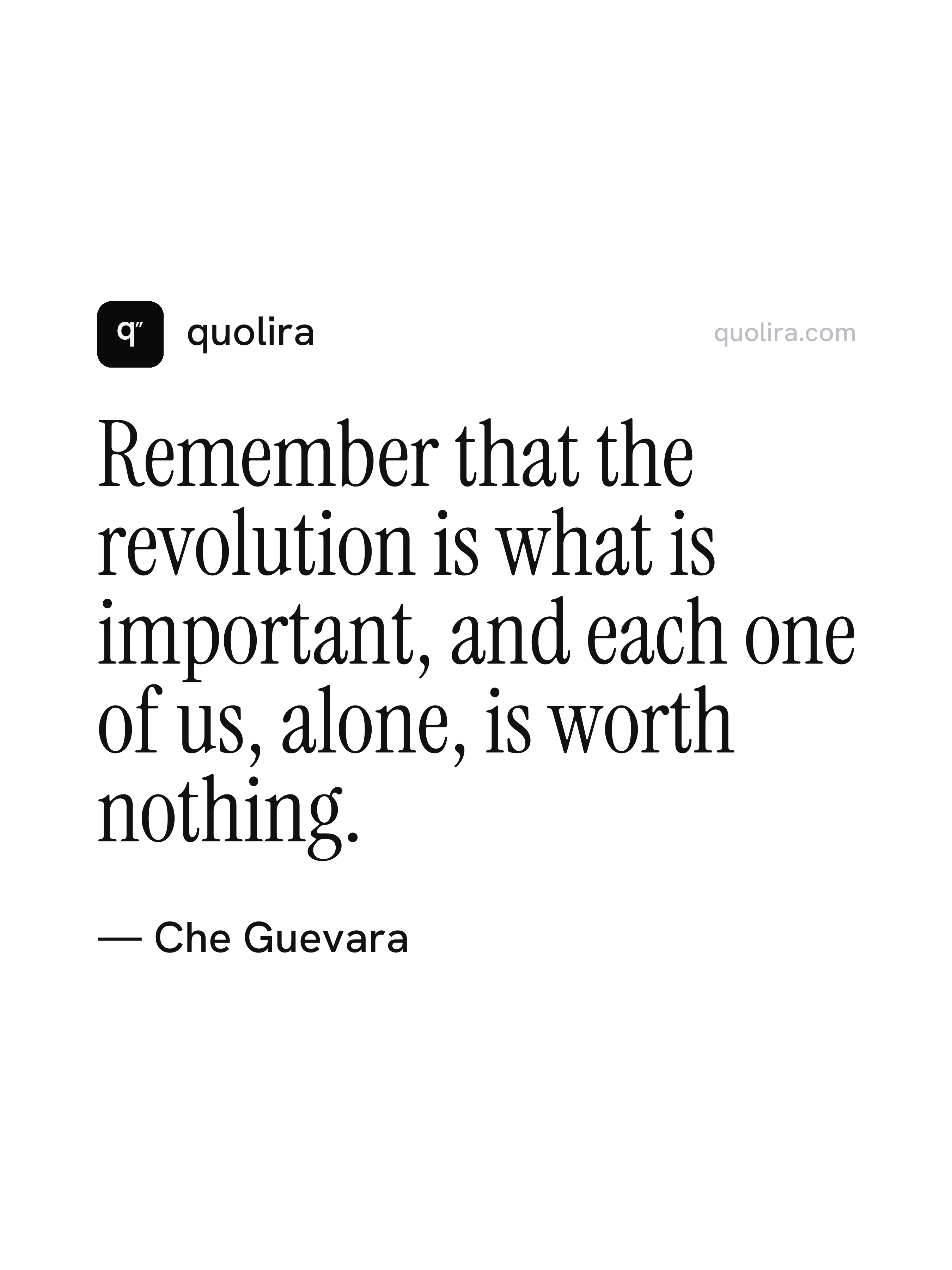
Remember that the revolution is what is important, and each one of us, alone, is worth nothing.
Che Guevara Letter to his children, 1965
From the same letter as the quote above. The two together show the tension he lived with: a deep tenderness for individuals alongside a belief that no individual could be the point.
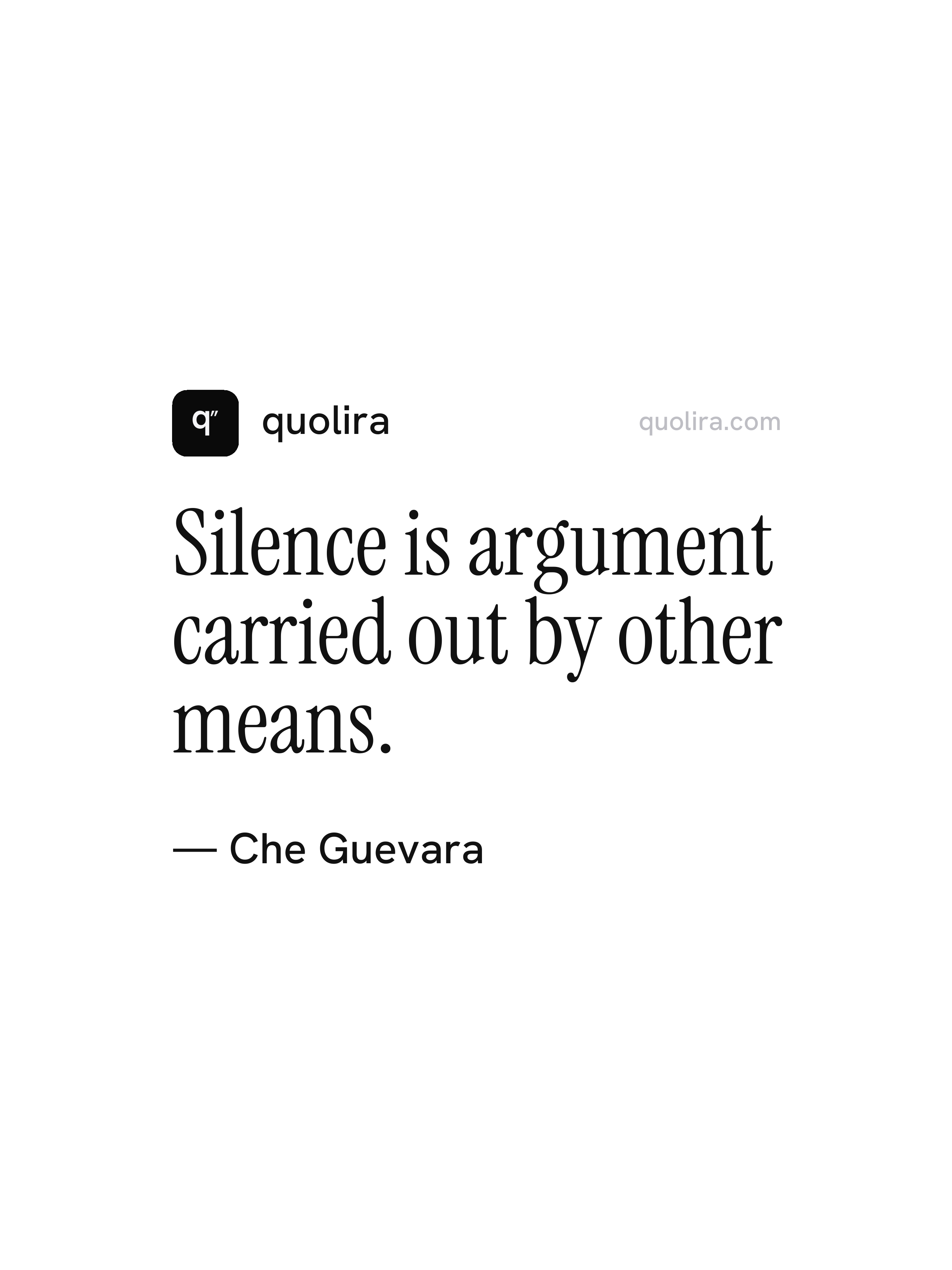
Silence is argument carried out by other means.
A reversal of Clausewitz that Guevara would have appreciated. Staying quiet, in his view, was still a political act. It just happened to be on the wrong side.
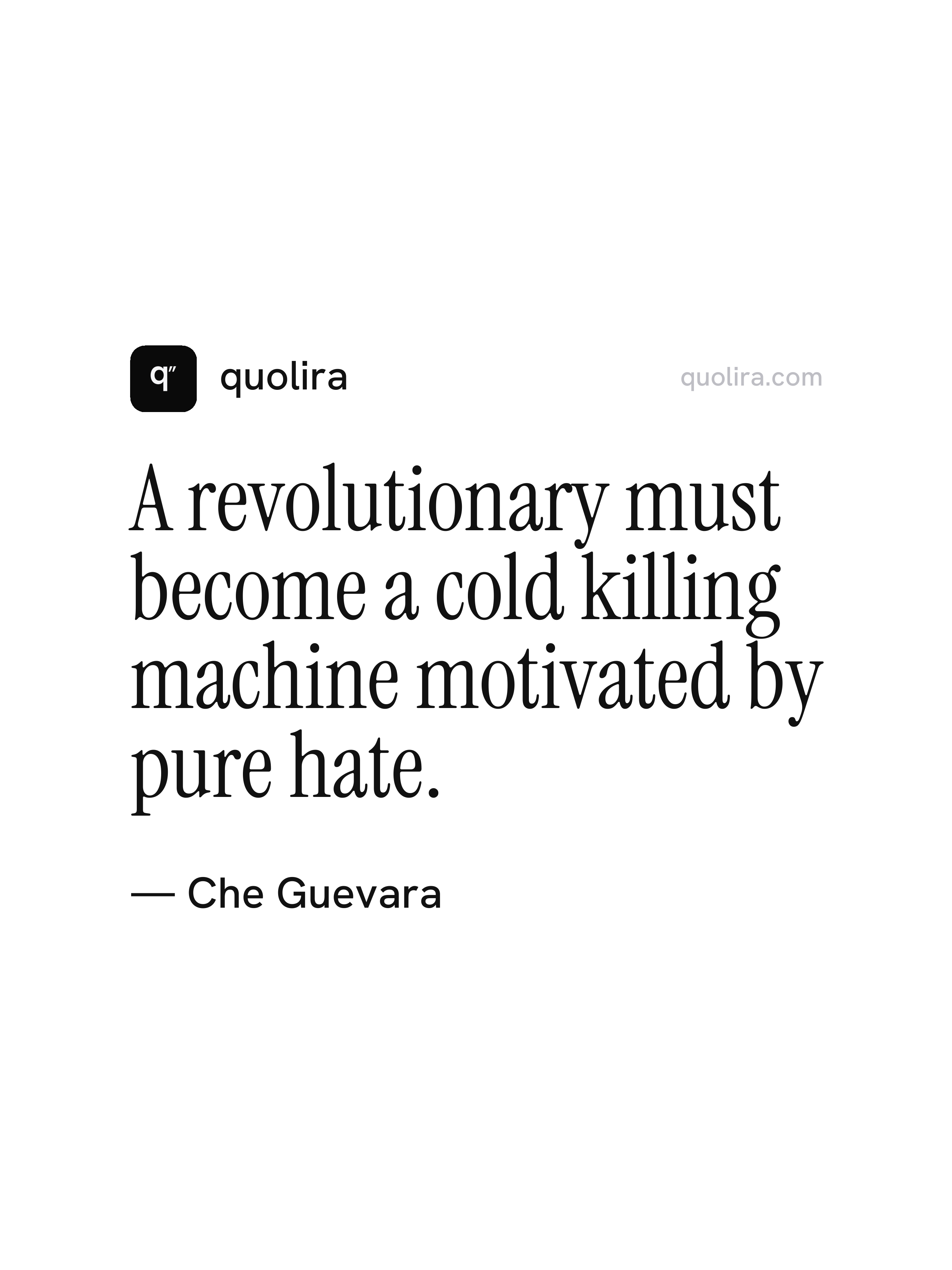
A revolutionary must become a cold killing machine motivated by pure hate.
Che Guevara Letter to his parents, 1965
This quote makes people uncomfortable, and it should. Read alongside his words about love and tenderness, it shows a man holding two violent contradictions at once. Both are documented. Both are real.
Do not shoot! I am Che Guevara and worth more to you alive than dead.
Che Guevara October 8, 1967, upon capture in Bolivia
His words at the moment of capture, reported by Bolivian soldiers present. Whether a tactical calculation or a final attempt at survival, it's a very human thing to say for a man who had written so much about being willing to die.
Many will call me an adventurer, and that I am, only one of a different sort: one of those who risks his skin to prove his platitudes.
Che Guevara Letter to his parents, 1965
He wrote this knowing he might not survive what came next. The self-awareness is sharp: he calls himself an adventurer before anyone else can, then draws the line between risk for ego and risk for belief.
Whatever you think of Guevara's politics, these quotes force a reckoning with the question he kept asking: what are you willing to do for what you believe? That question doesn't age.
Frequently asked questions
What is Che Guevara's most famous quote?
Did Che Guevara write any books?
Are Che Guevara quotes accurately attributed online?
What did Che Guevara believe about love and revolution?
Keep reading
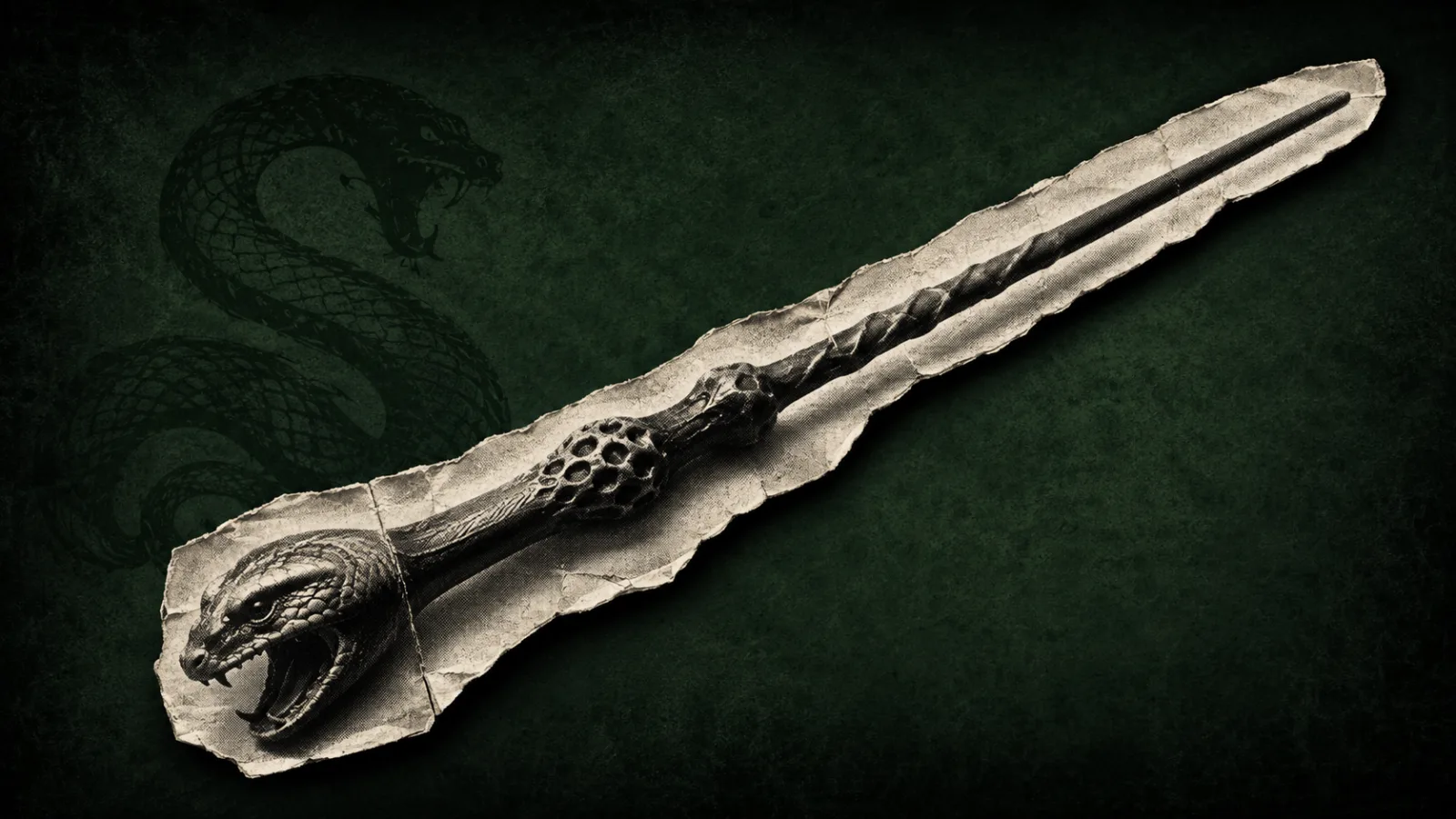
21 Lord Voldemort Best Harry Potter Quotes That Still Chill You
The most memorable lines from the Dark Lord, weighed for what they reveal about fear, power, and the man behind the mask.
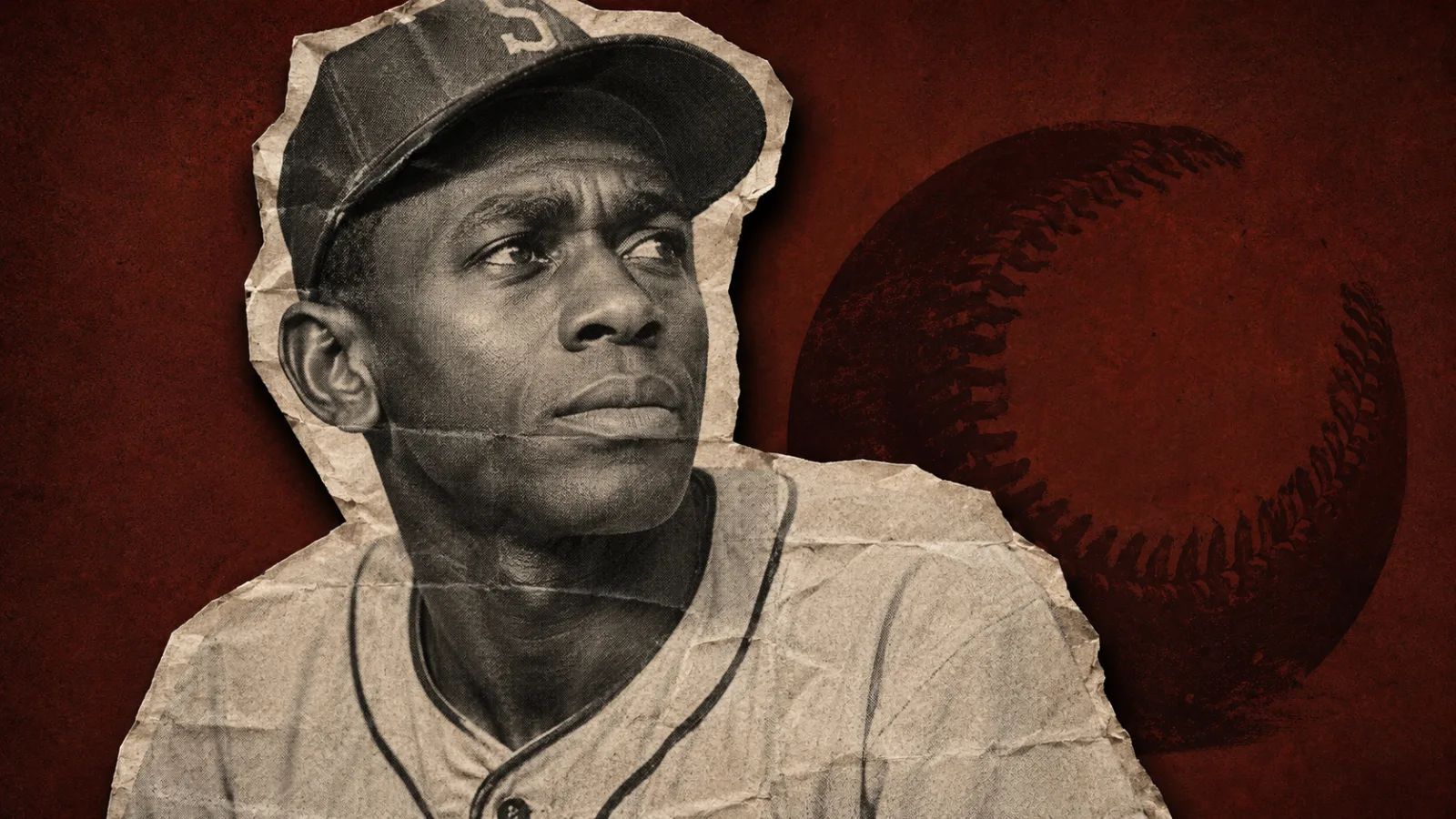
14 Satchel Paige Quotes on Aging, Motion, and Not Looking Back
The pitcher who kept throwing into his fifties left behind lines about time that still land.


16 Alice in Wonderland Quotes That Still Make You Stop and Think
The strange logic of Wonderland has a way of feeling truer than the real world.
This is probably the most surprising line Guevara ever wrote, given his reputation for hardness. He believed that without genuine love for humanity, a revolution is just a power grab with better rhetoric.