23 Oscar Wilde Desire Quotes That Still Cut Deep
Wilde said the quiet parts loud, and nowhere more so than on the subject of wanting things.

Oscar Wilde desire quotes have outlasted almost every other piece of Victorian writing because they tell the truth about wanting things without apology. Wilde understood temptation and longing the way most writers only pretend to: as forces that reveal character rather than destroy it. He wrote from inside the experience, which is why the lines still sting. These 23 quotes collect his sharpest observations on desire, from the witty one-liners to the quietly devastating ones.
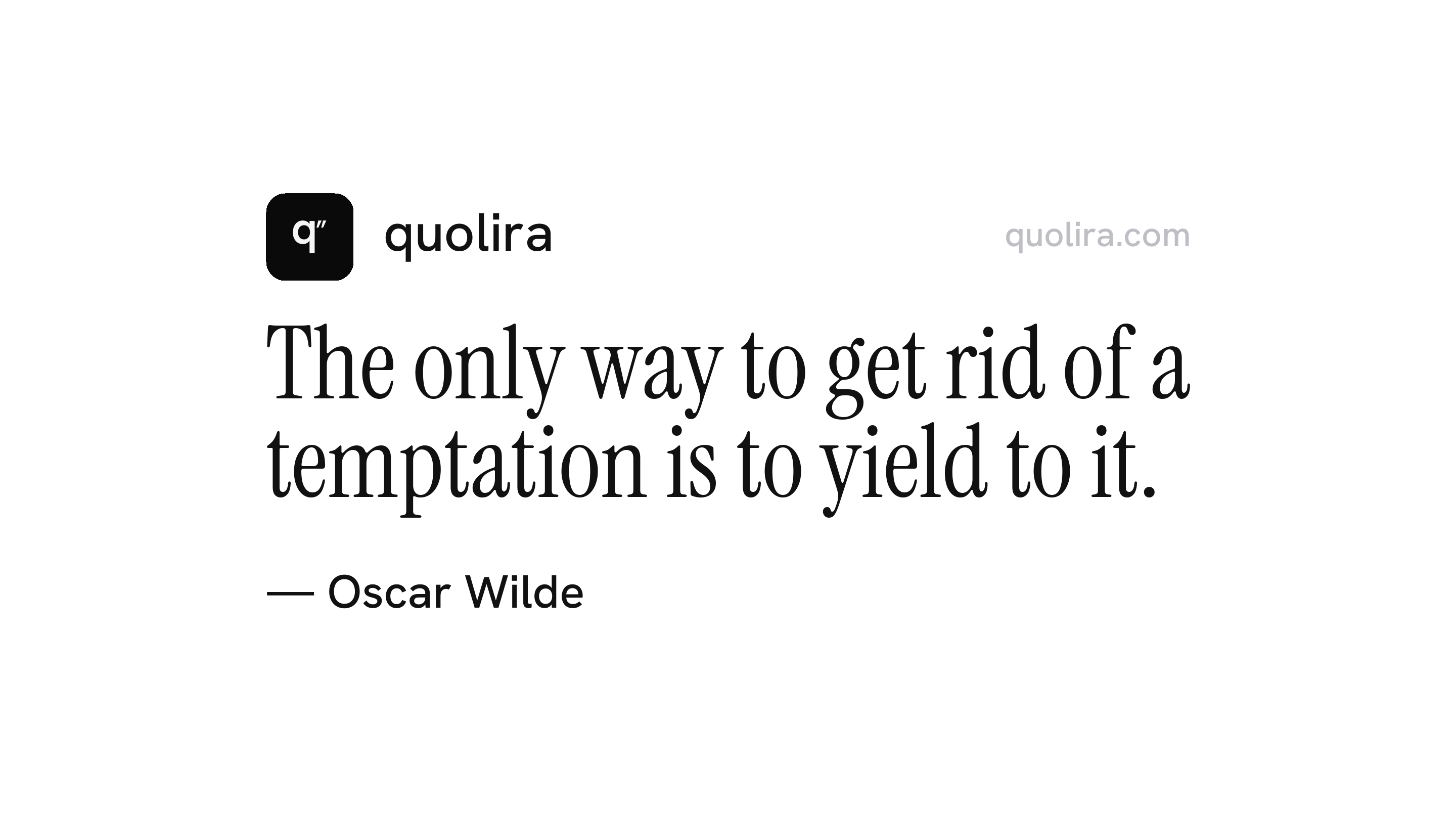
The only way to get rid of a temptation is to yield to it.
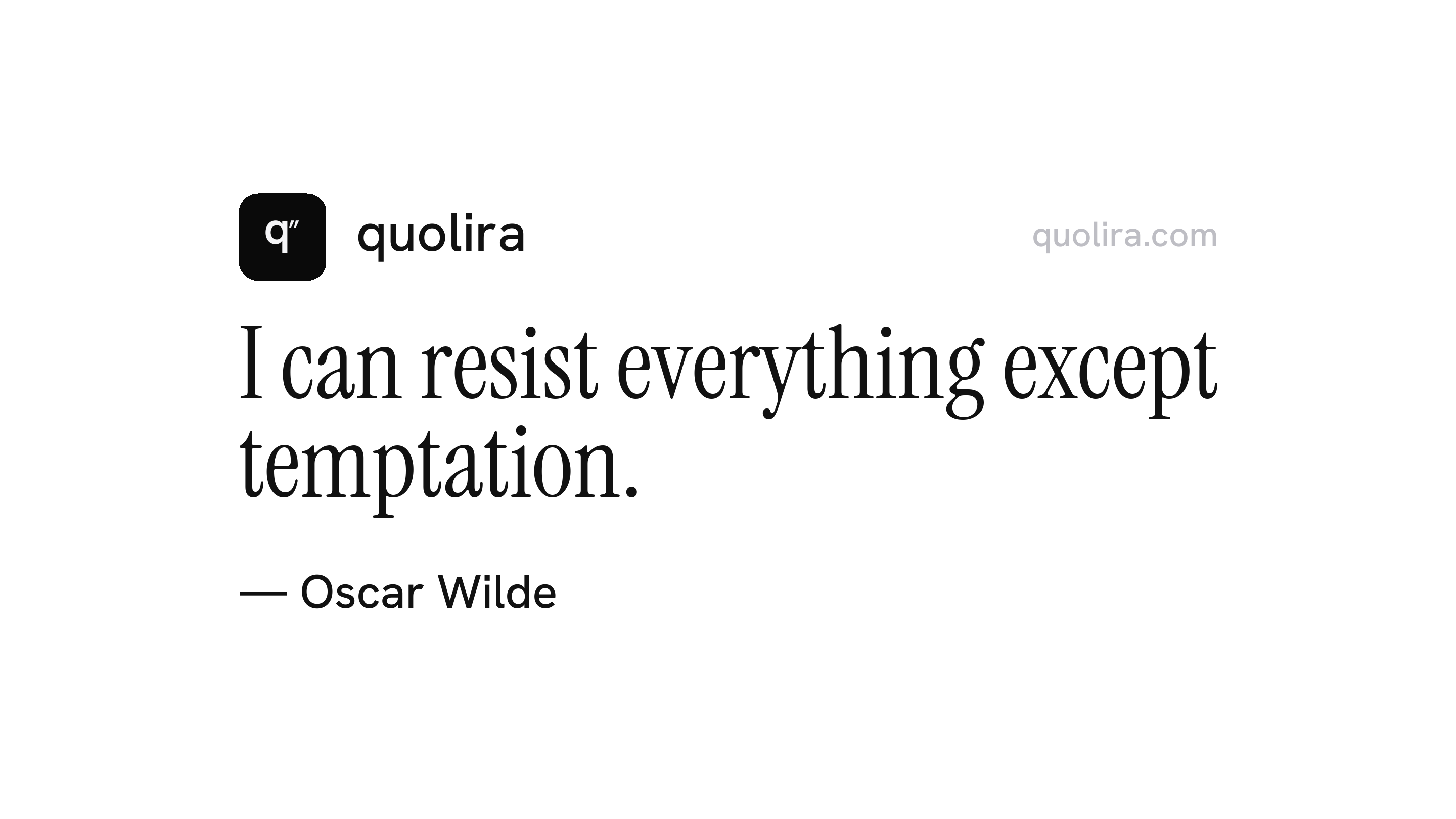
I can resist everything except temptation.
Oscar Wilde Lady Windermere's Fan, 1892
Lord Darlington delivers this line and it has been quoted ever since as though Wilde were confessing. He probably was. The best jokes tend to double as confessions.
The books that the world calls immoral are books that show the world its own shame.
Oscar Wilde The Picture of Dorian Gray, 1890
Wilde was defending his own novel against charges of immorality when he wrote this preface. The argument is still sound: desire on the page disturbs people who recognise it in themselves.
Yet each man kills the thing he loves.
Oscar Wilde The Ballad of Reading Gaol, 1898
Written after two years in prison, this line has a weight his earlier epigrams do not. Wilde had lived the destruction he was describing, and it shows in every syllable.
To define is to limit.
Oscar Wilde The Picture of Dorian Gray, 1890
Wilde applied this to desire as much as to art. He believed naming a want too precisely was a way of caging it. The observation holds up in philosophy and in practice.
The only difference between a caprice and a lifelong passion is that the caprice lasts a little longer.
Oscar Wilde The Picture of Dorian Gray, 1890
Lord Henry again, cutting the romantic myth of permanent desire down to size. There is something both cynical and strangely kind in refusing to rank a short passion below a long one.
The Picture of Dorian Gray by Oscar Wilde
He was always late on principle, his principle being that punctuality is the thief of time.
Oscar Wilde The Picture of Dorian Gray, 1890
A small desire, the desire to live on one's own schedule, is elevated here into philosophy. Wilde was excellent at making self-indulgence sound like wisdom.
The soul is born old but grows young. That is the comedy of life. And the body is born young and grows old. That is life's tragedy.
Oscar Wilde A Woman of No Importance, 1893
Wilde locates desire precisely here: in the gap between a soul that wants more and a body with limits. It is one of his more genuinely sad observations.

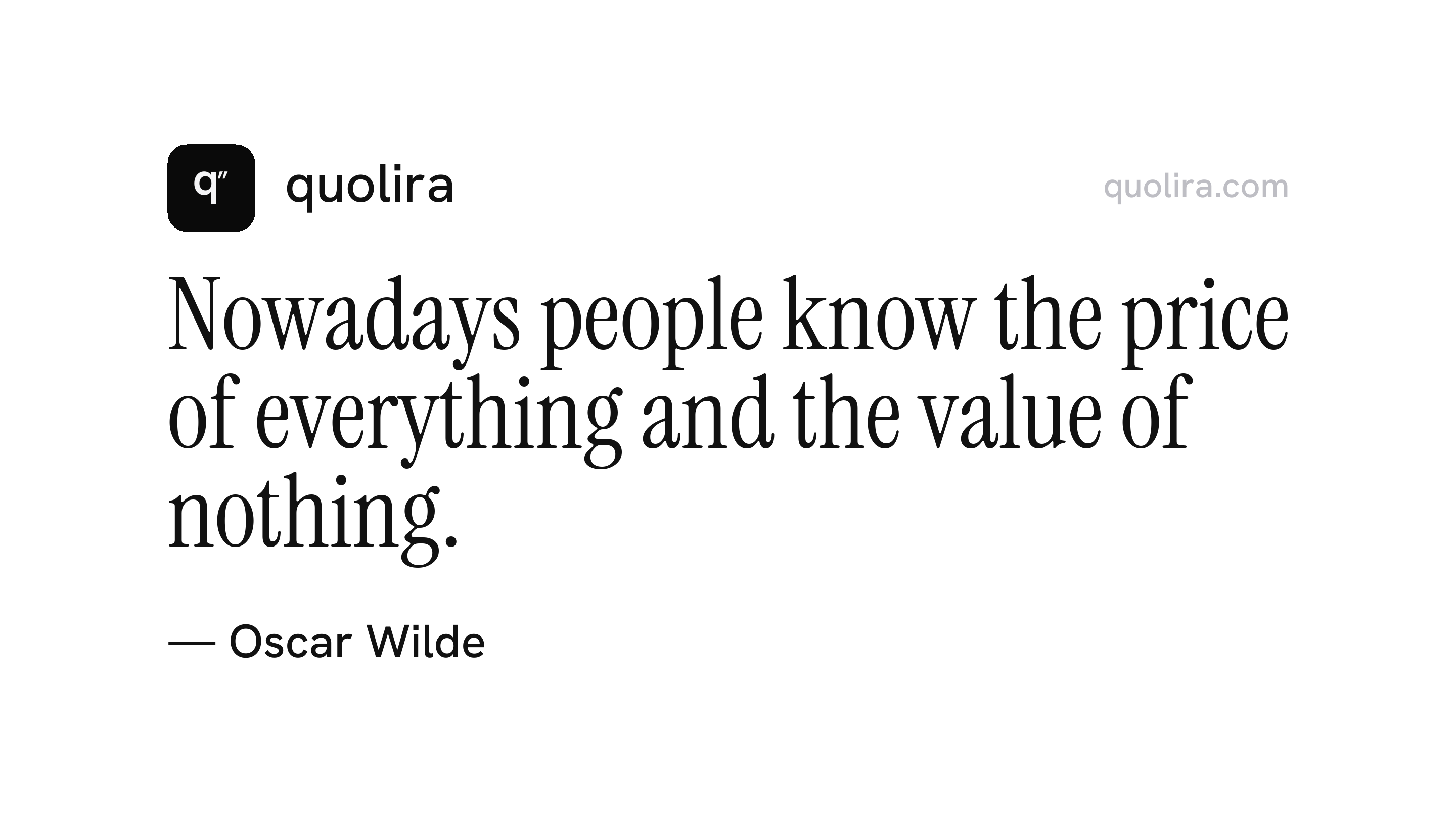
Nowadays people know the price of everything and the value of nothing.
Oscar Wilde Lady Windermere's Fan, 1892
Lord Darlington's definition of a cynic, though Wilde aimed it at a culture that had turned desire into transaction. The line is as accurate now as it was in 1892.
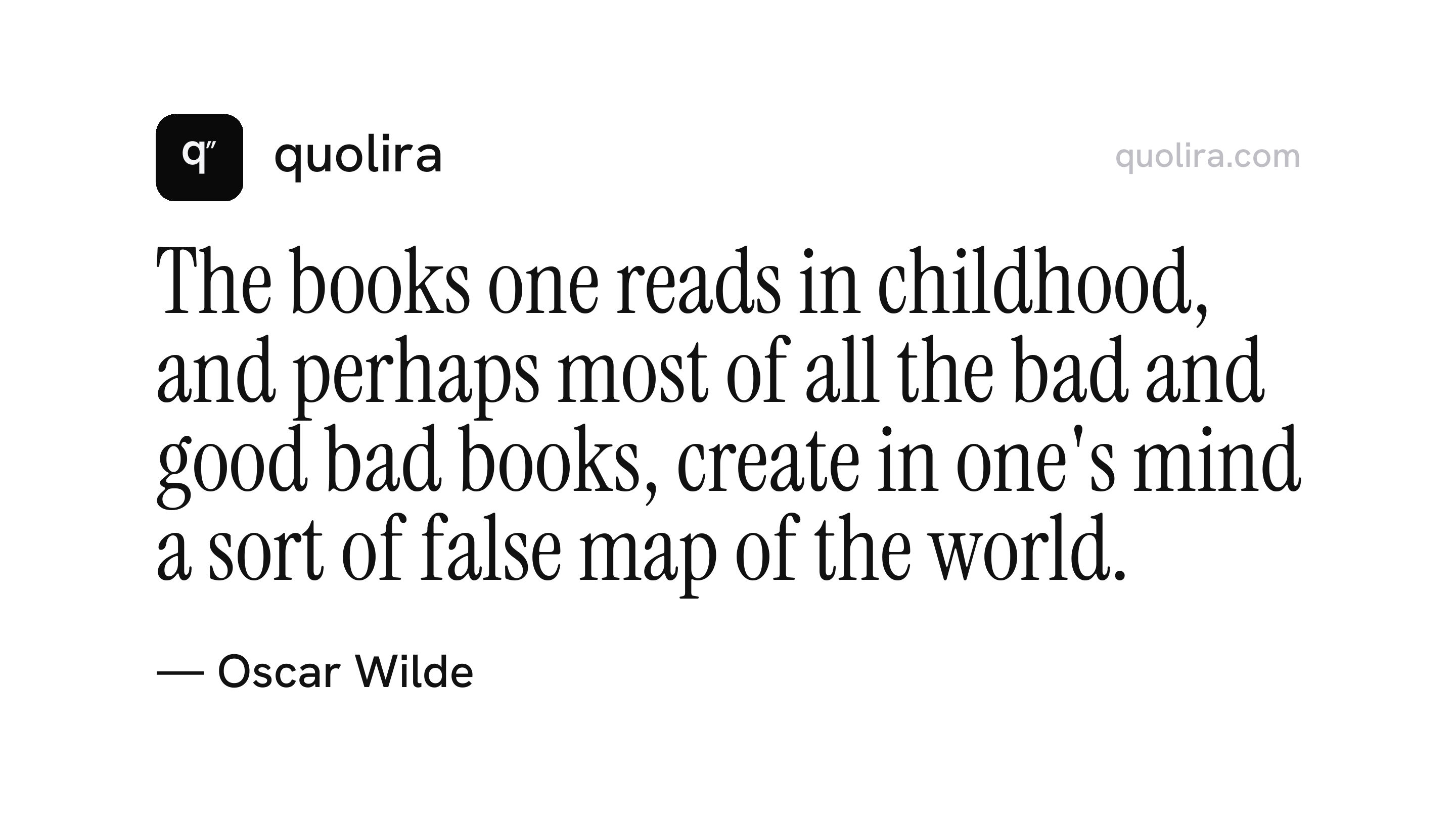
The books one reads in childhood, and perhaps most of all the bad and good bad books, create in one's mind a sort of false map of the world.
Oscar Wilde De Profundis, 1905
Wilde wrote De Profundis in prison, and even there his mind ran to literature and longing. Desire for story, he thought, shapes all later desire.
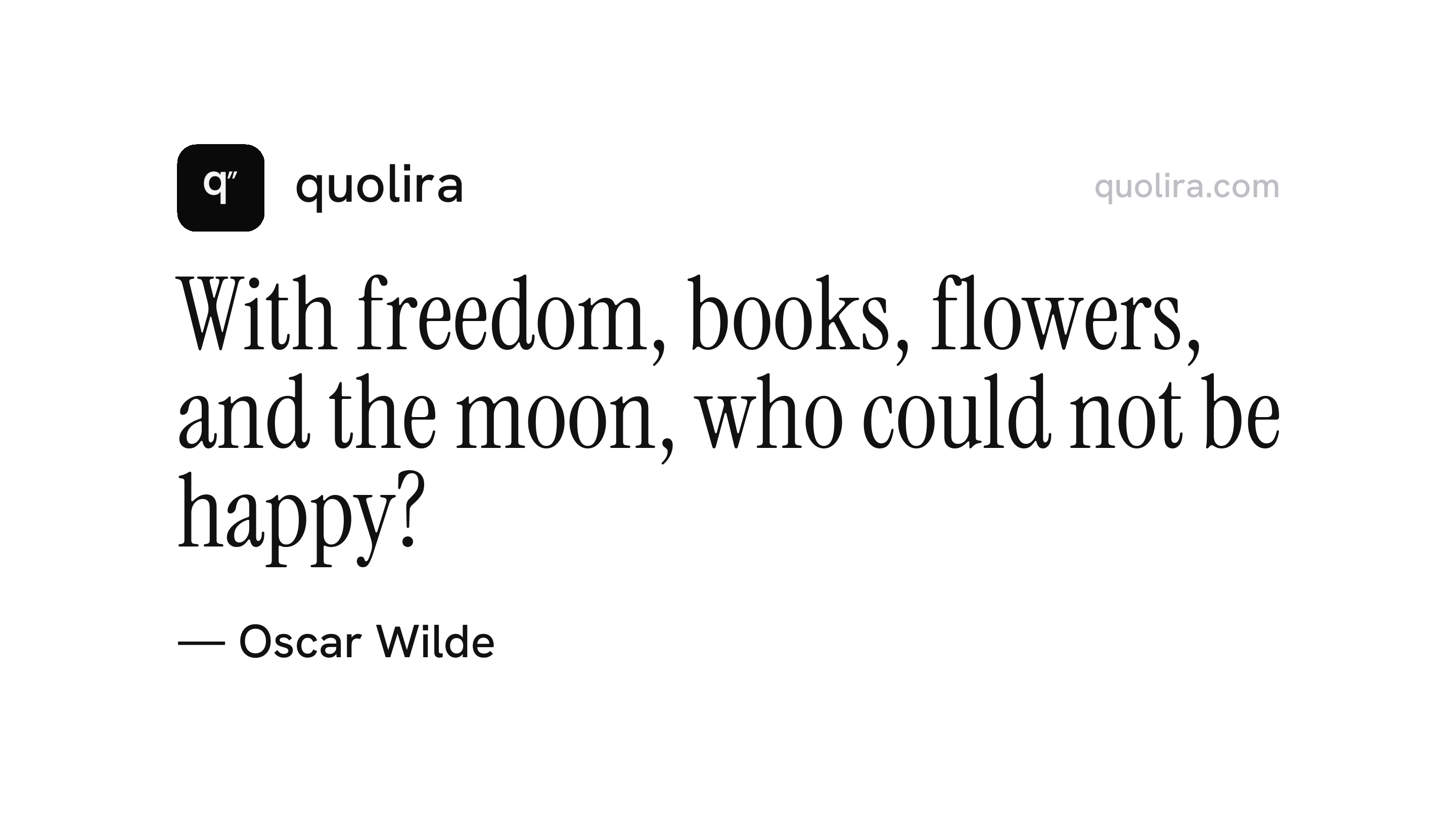
With freedom, books, flowers, and the moon, who could not be happy?
Oscar Wilde attributed, widely documented
Simple pleasures, desired simply. Wilde could write epigrams of genuine warmth when he set the cleverness down for a moment. This is one of them.
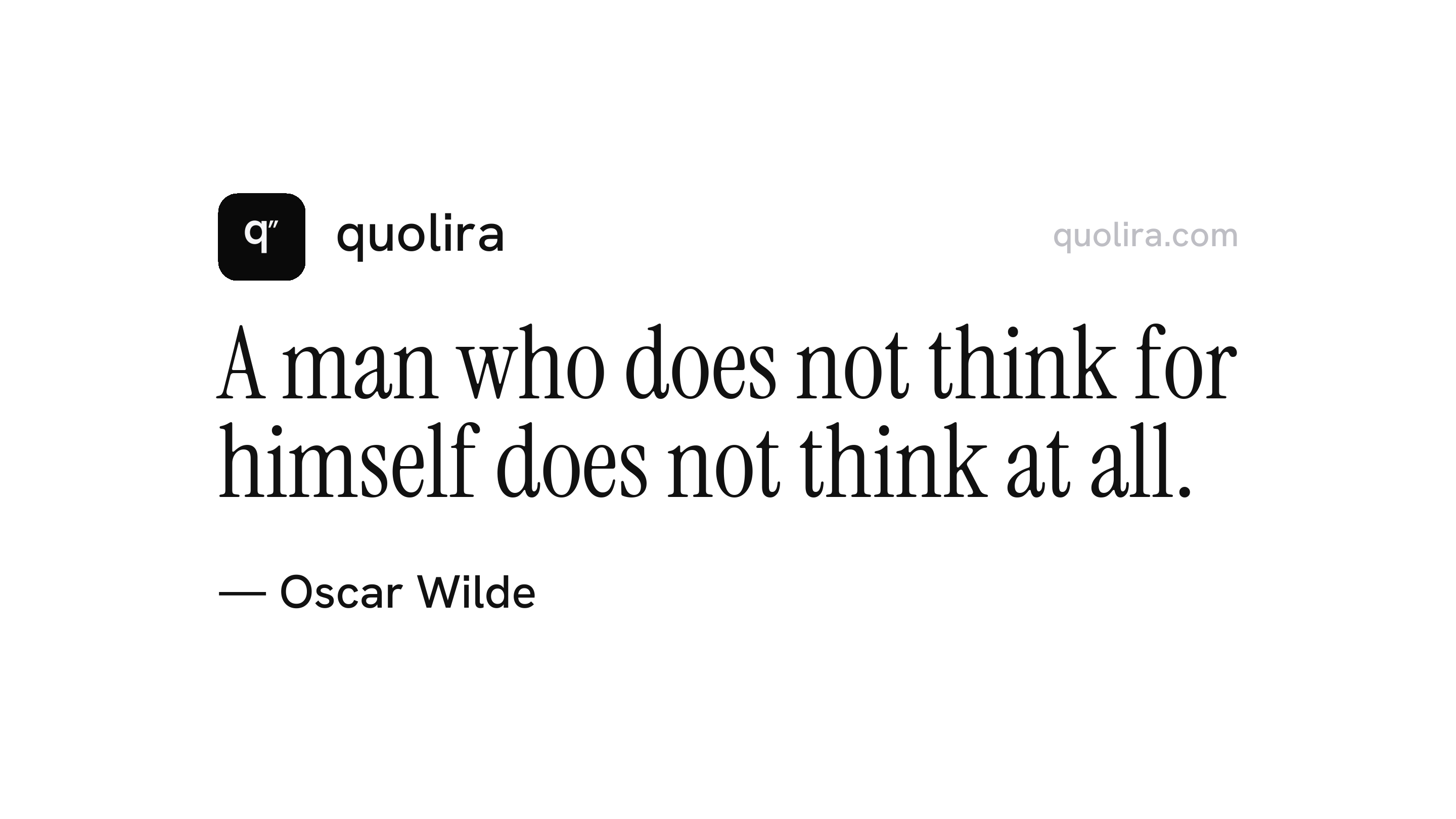
A man who does not think for himself does not think at all.
Oscar Wilde The Soul of Man Under Socialism, 1891
Wilde believed that authentic desire, including the desire to think freely, was the foundation of any genuine life. Borrowed wanting was no wanting at all.
The Importance of Being Earnest and Other Plays by Oscar Wilde
The only way to behave to a woman is to make love to her, if she is pretty, and to someone else, if she is plain.
Oscar Wilde The Importance of Being Earnest, 1895
Algernon delivers this with complete confidence. Wilde is satirising the kind of man who mistakes desire for a philosophy of life, and also, a little, being that man.
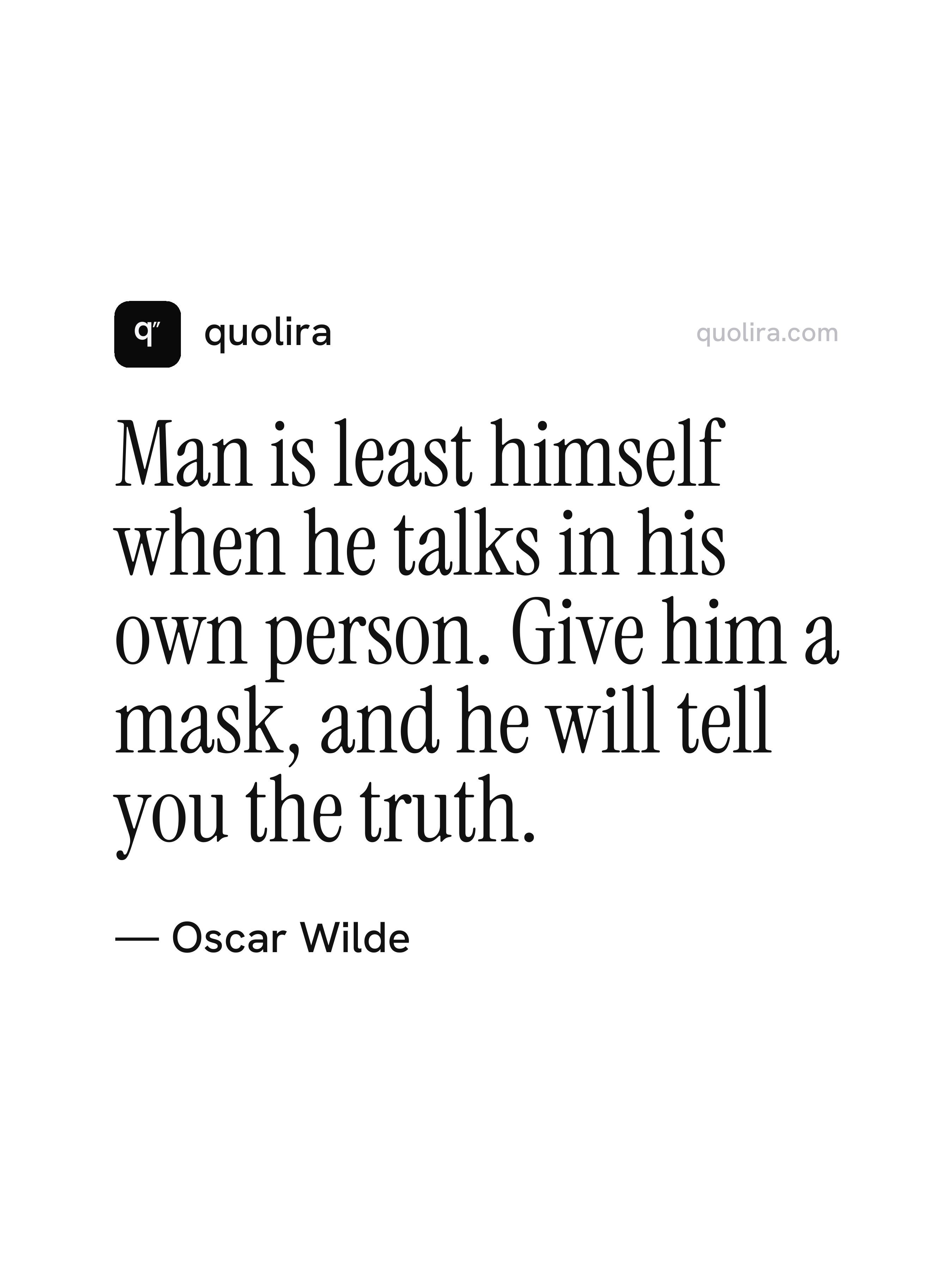
Man is least himself when he talks in his own person. Give him a mask, and he will tell you the truth.
Wilde understood that desire often needs disguise before it can be spoken. He lived this truth in his writing long before he lived it in court.
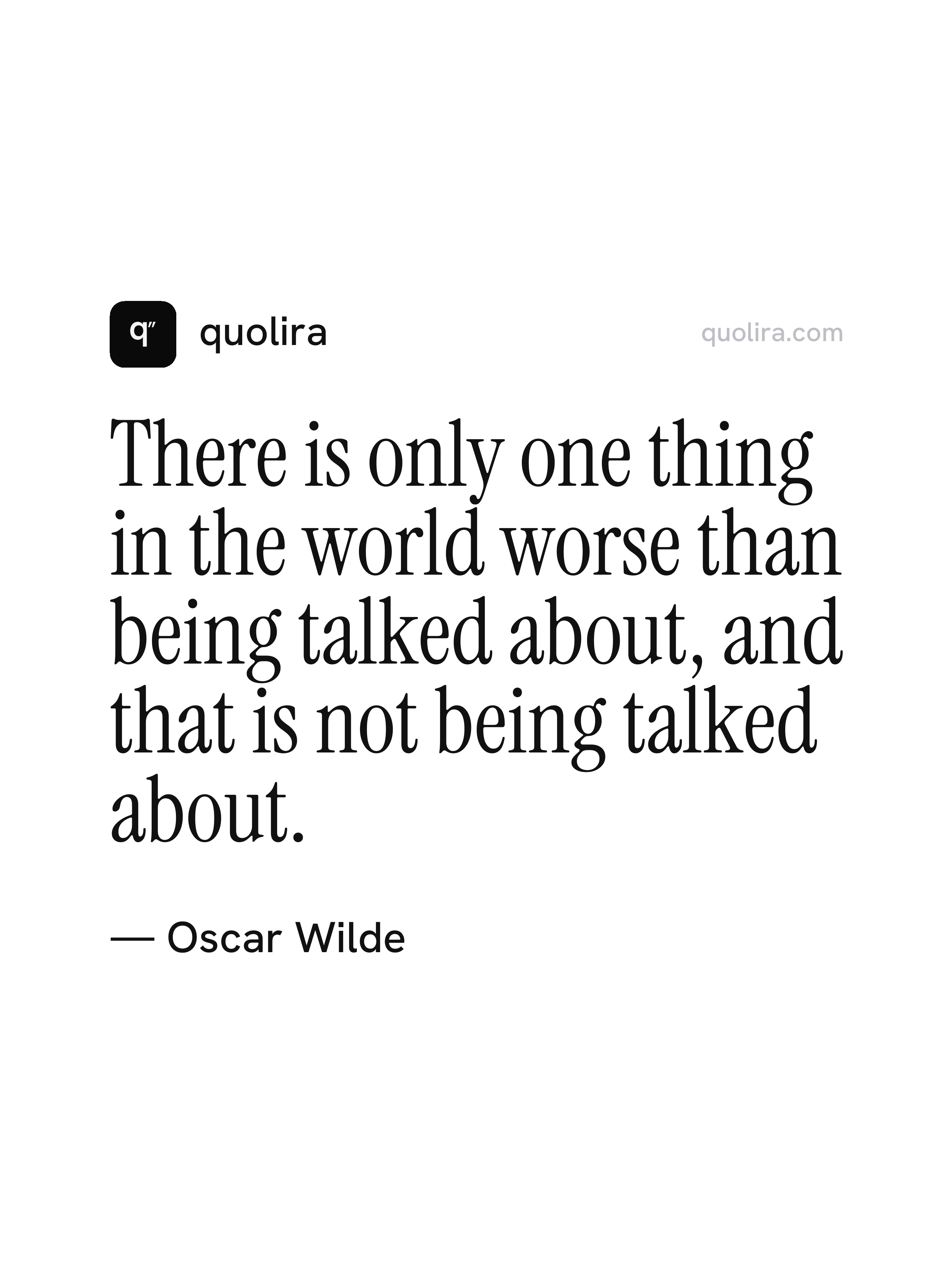
There is only one thing in the world worse than being talked about, and that is not being talked about.
Oscar Wilde The Picture of Dorian Gray, 1890
The desire for attention, named plainly and without apology. Wilde thought social invisibility was a form of death. He was constitutionally incapable of courting it.
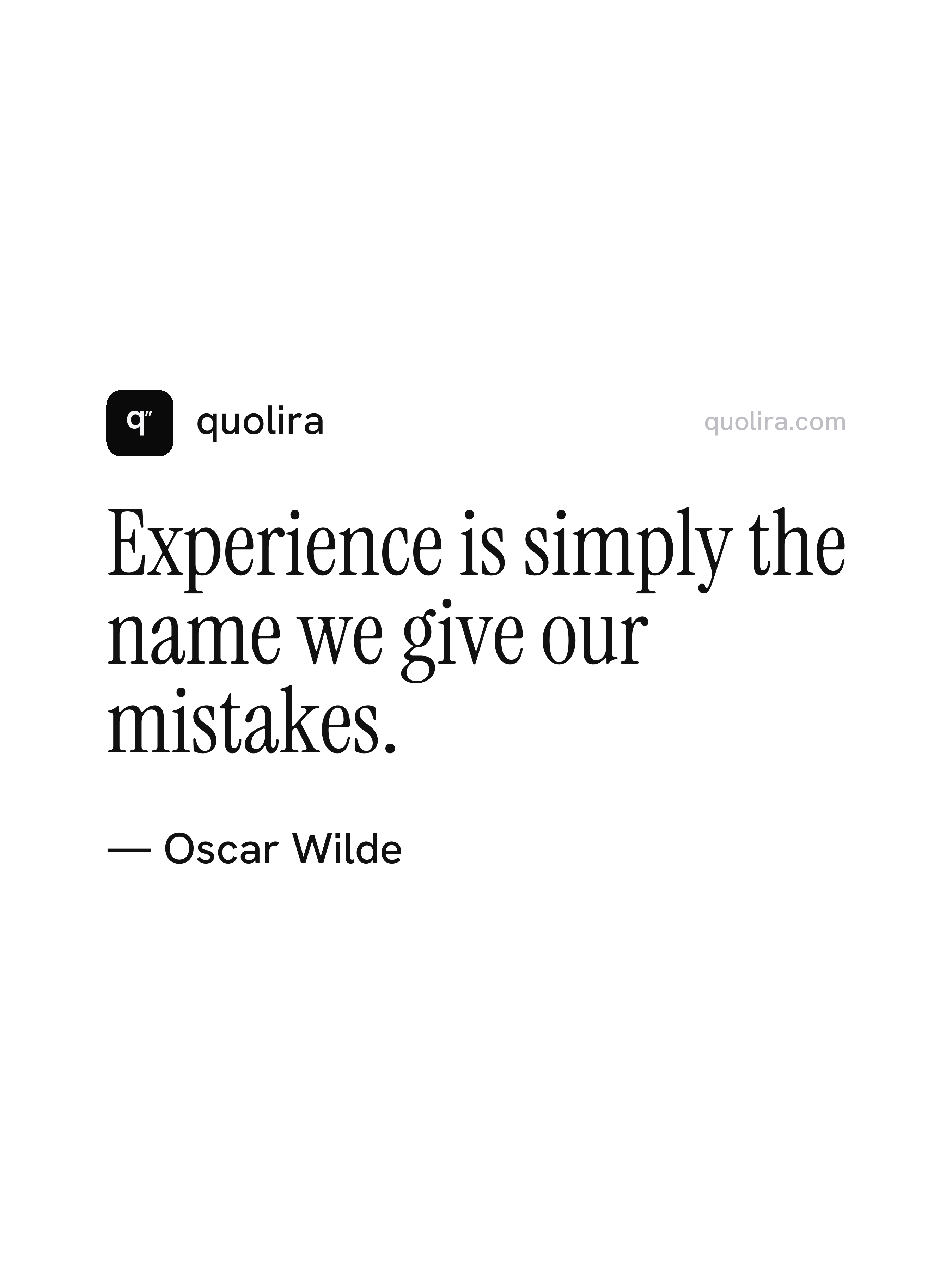
Experience is simply the name we give our mistakes.
Oscar Wilde Lady Windermere's Fan, 1892
Desire without regret is tidier on paper than in life, and Wilde knew it. This line is a gentle pardon for every want that turned out badly.
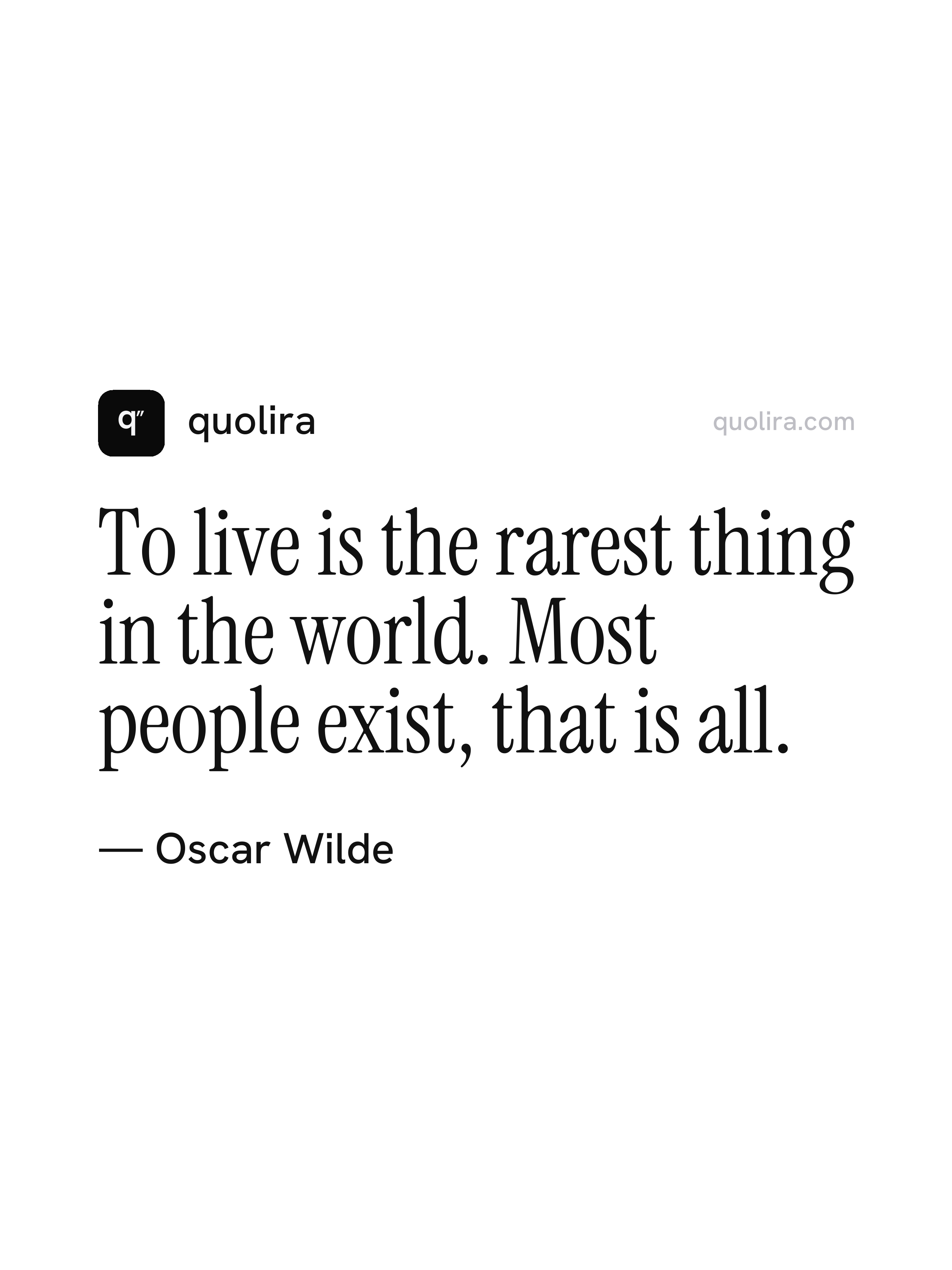
To live is the rarest thing in the world. Most people exist, that is all.
Oscar Wilde The Soul of Man Under Socialism, 1891
Wilde's definition of living involved following desire honestly rather than suppressing it in the name of respectability. Existence, he thought, was what you got when you settled.
Complete Works of Oscar Wilde
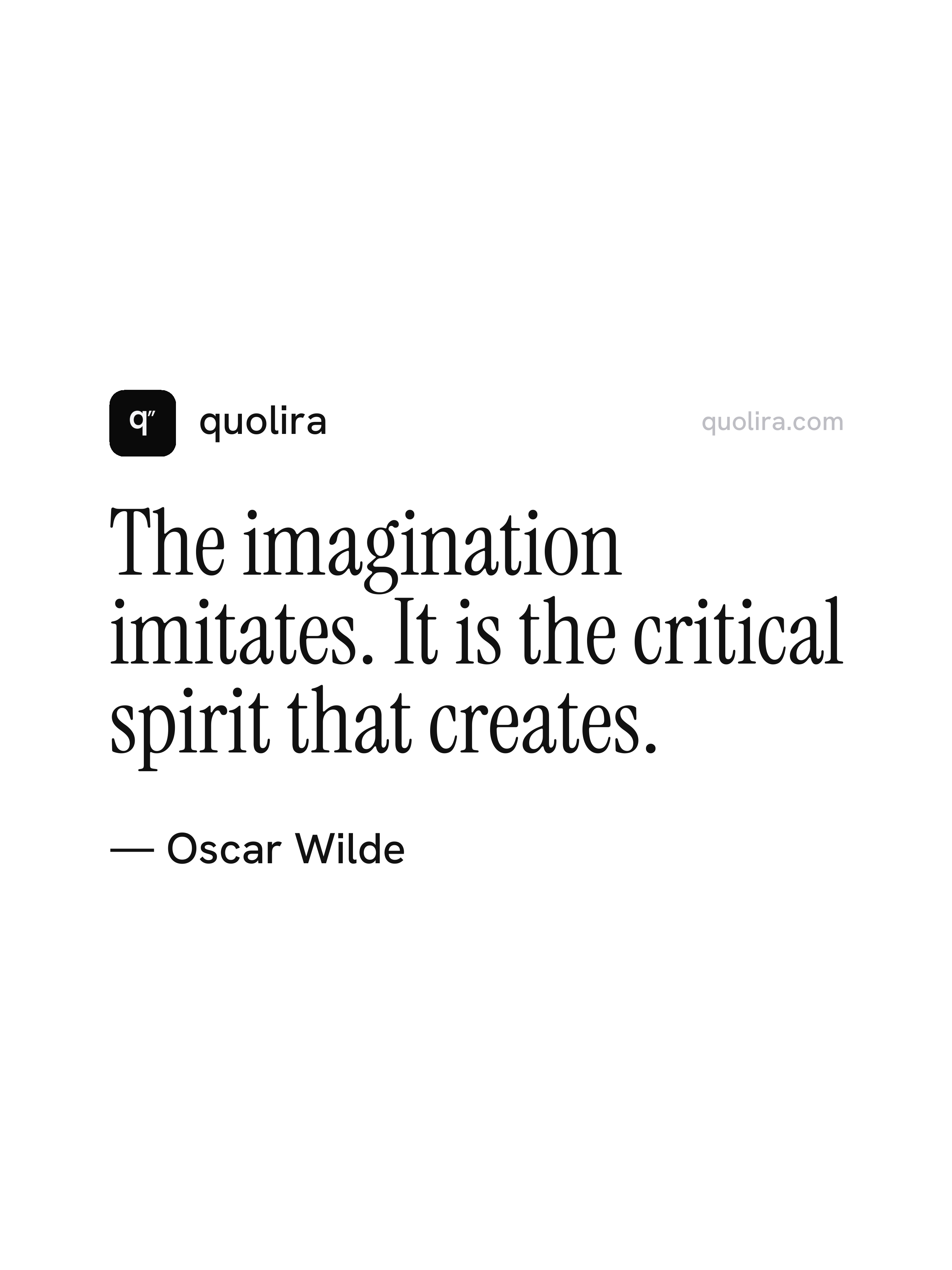
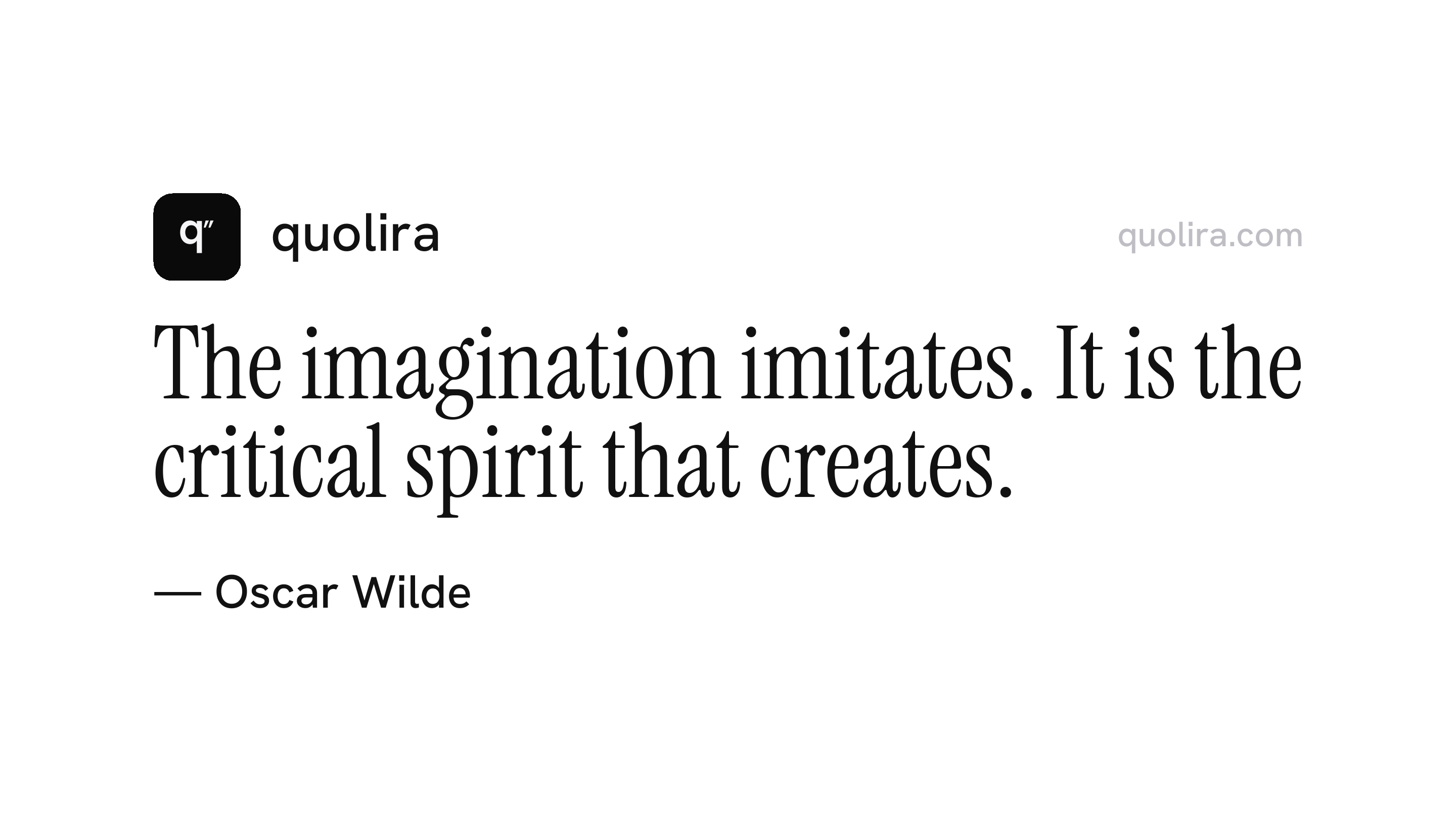
The imagination imitates. It is the critical spirit that creates.
Wilde believed the deepest desire was the desire to make something new. Imitation, however skillful, was just a different kind of compliance.
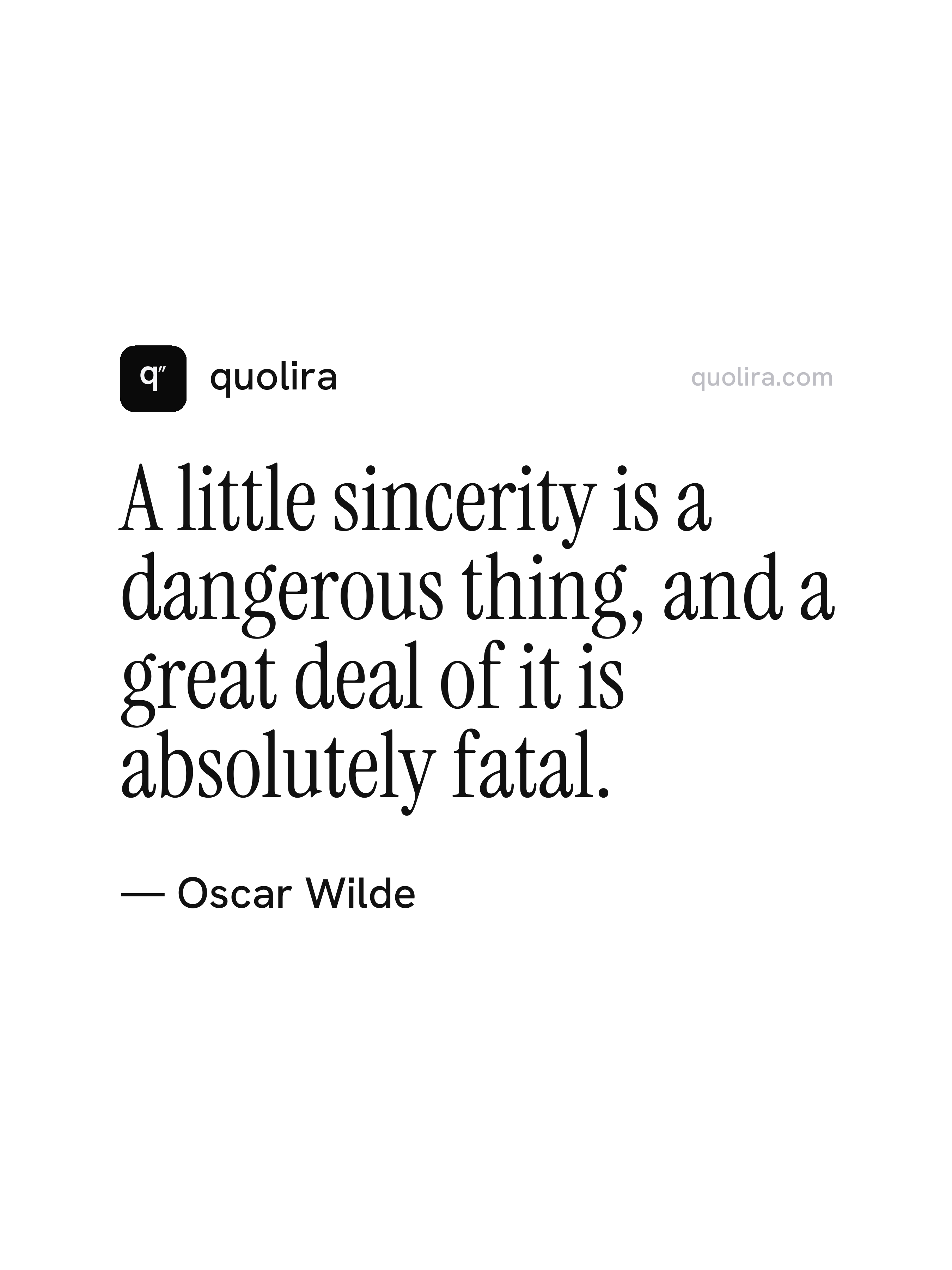
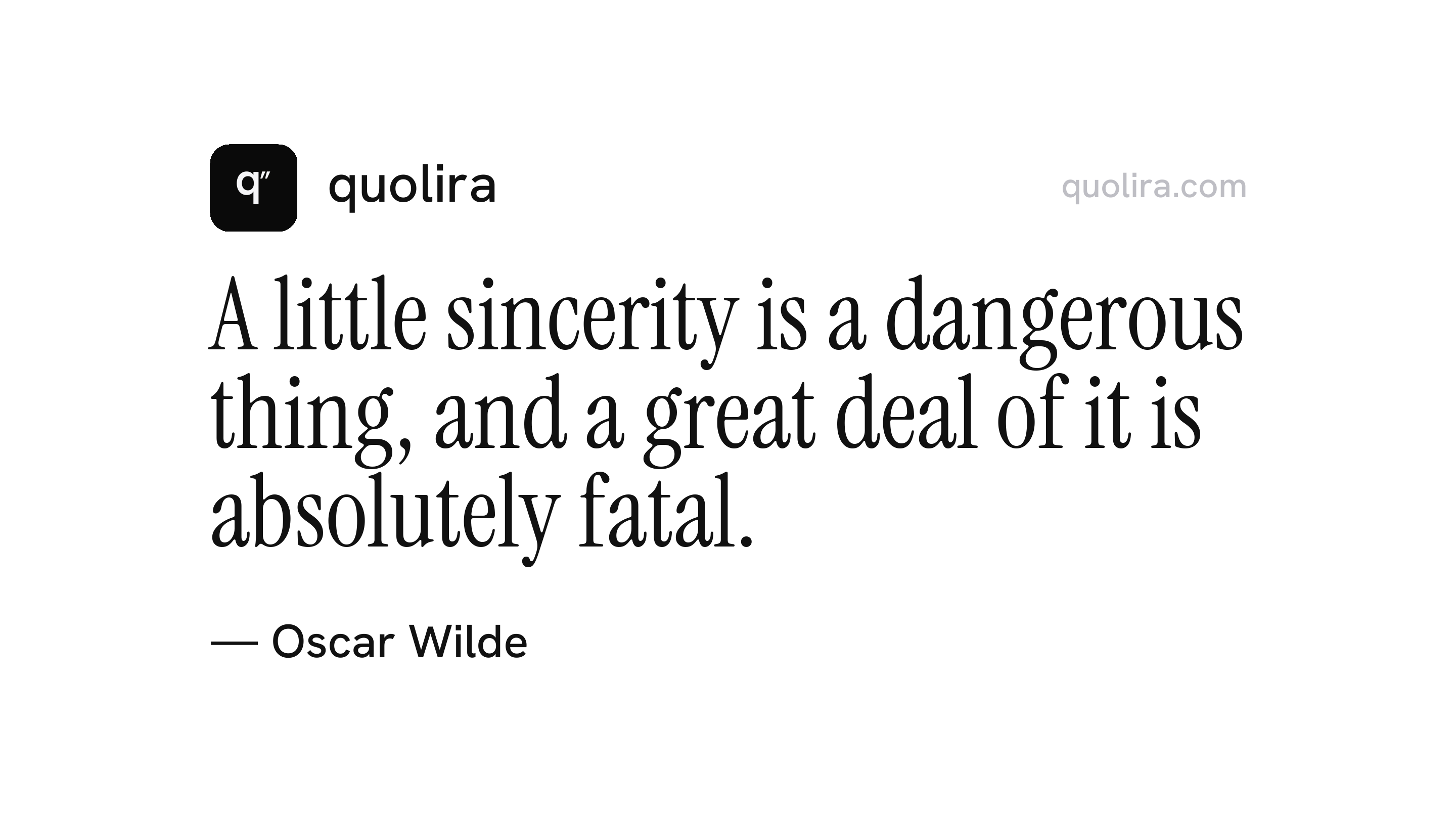
A little sincerity is a dangerous thing, and a great deal of it is absolutely fatal.
Wilde distrusted earnestness in public life, but this particular line is itself quite earnest. The joke carries a real warning about how honesty can strip away the fictions people need.
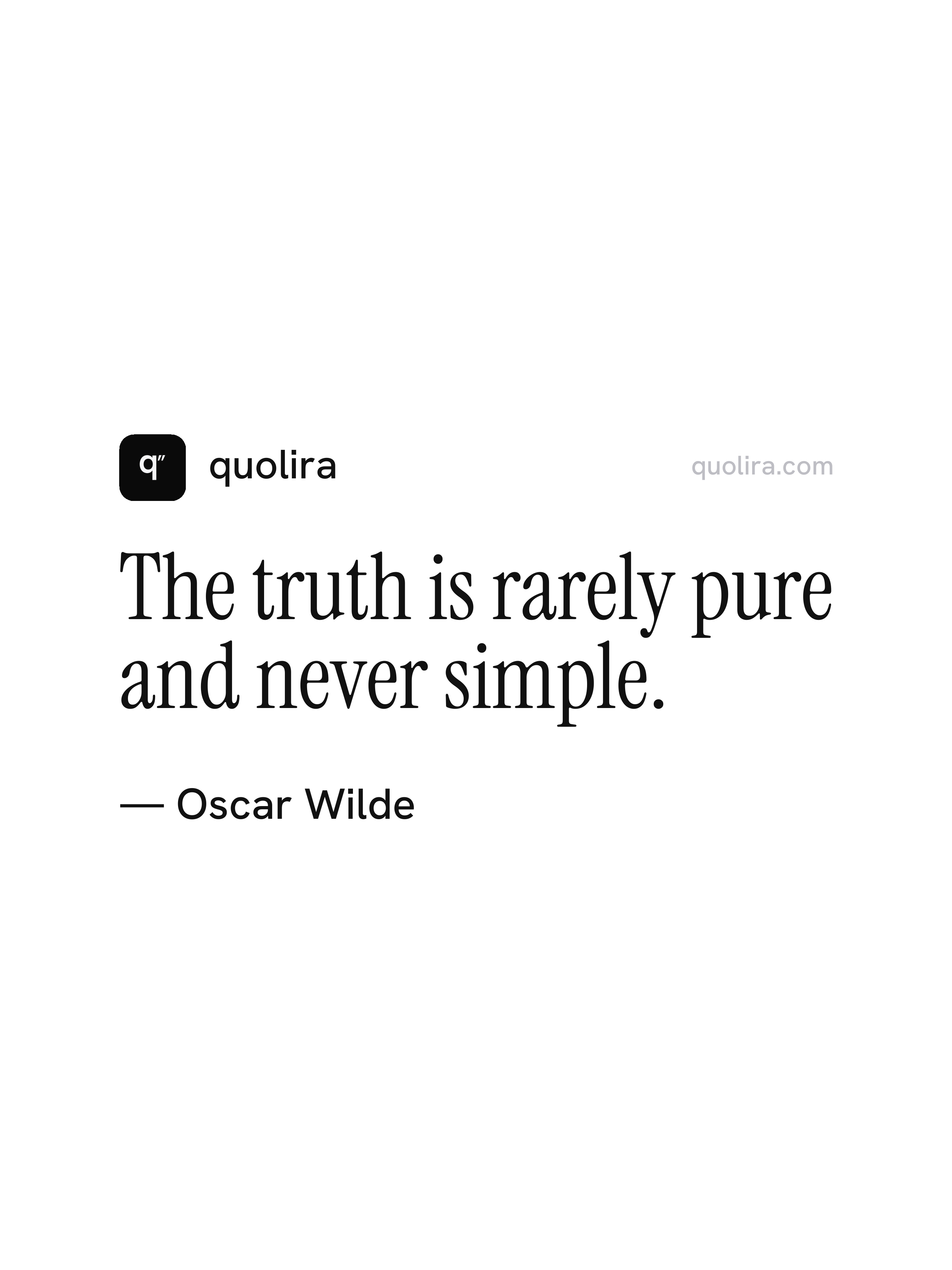
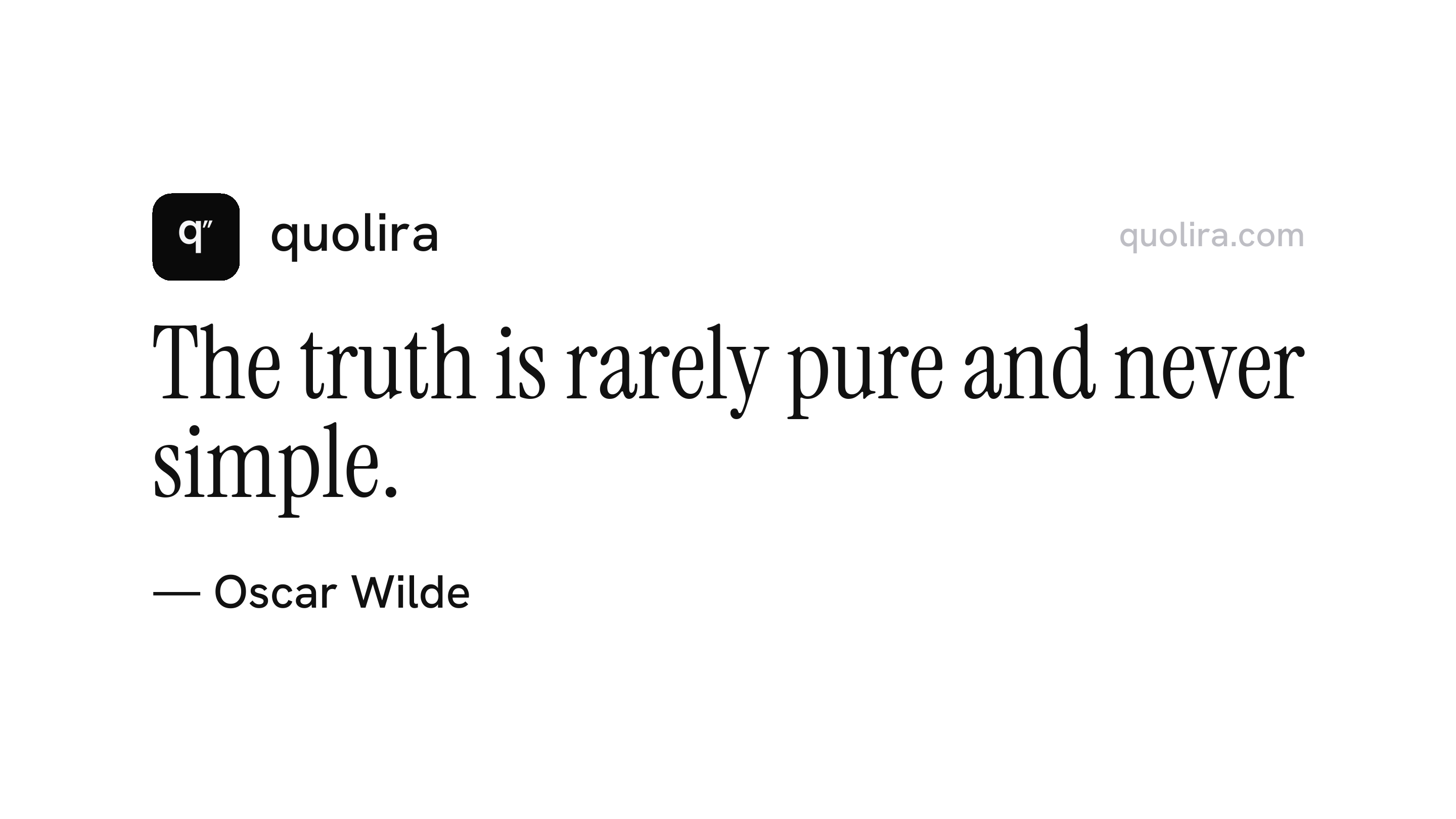
The truth is rarely pure and never simple.
Oscar Wilde The Importance of Being Earnest, 1895
Algernon says this and the audience laughs, but Wilde meant it seriously. Desire and truth share the same problem: both resist the clean, comfortable version people prefer.
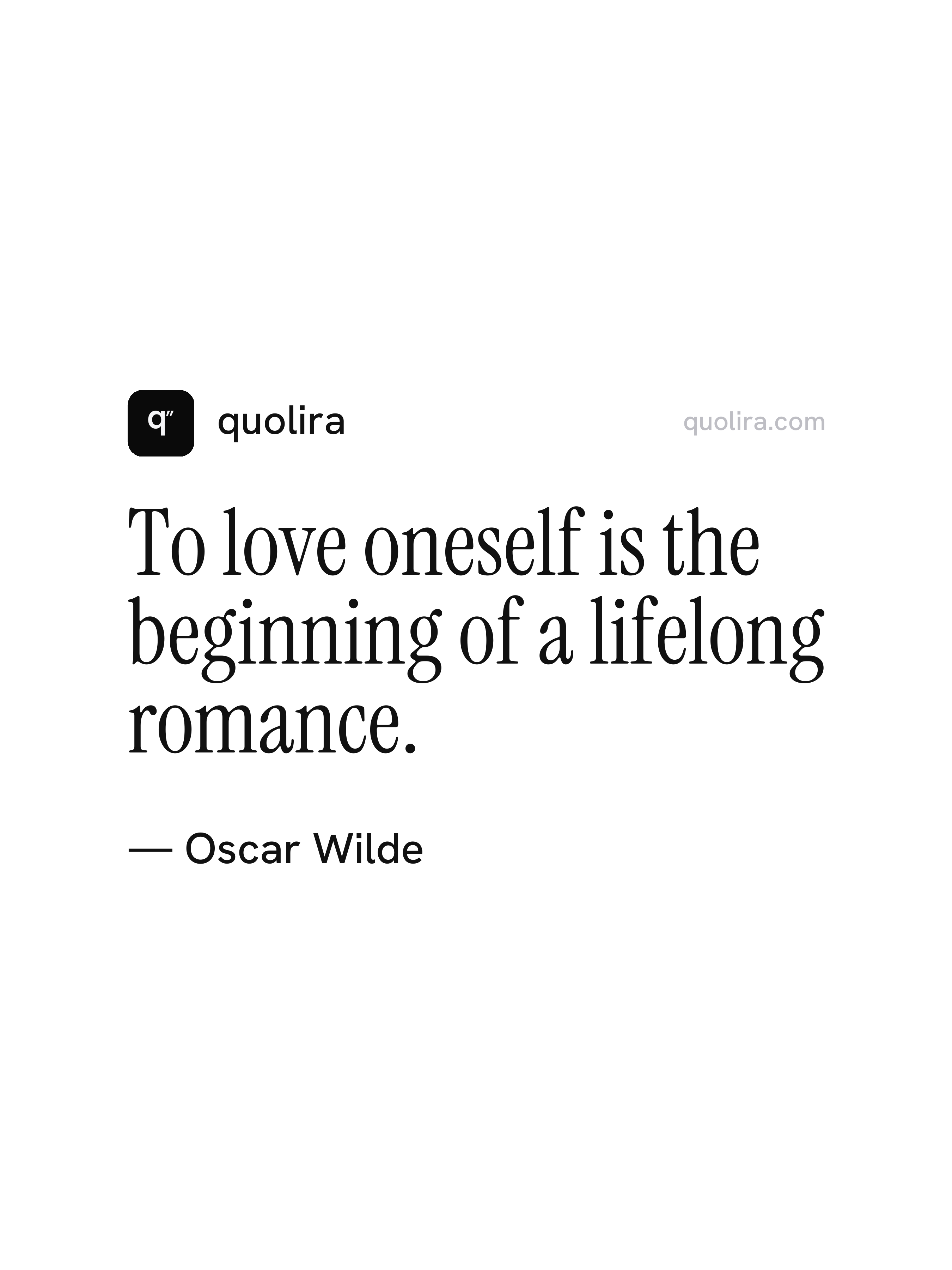
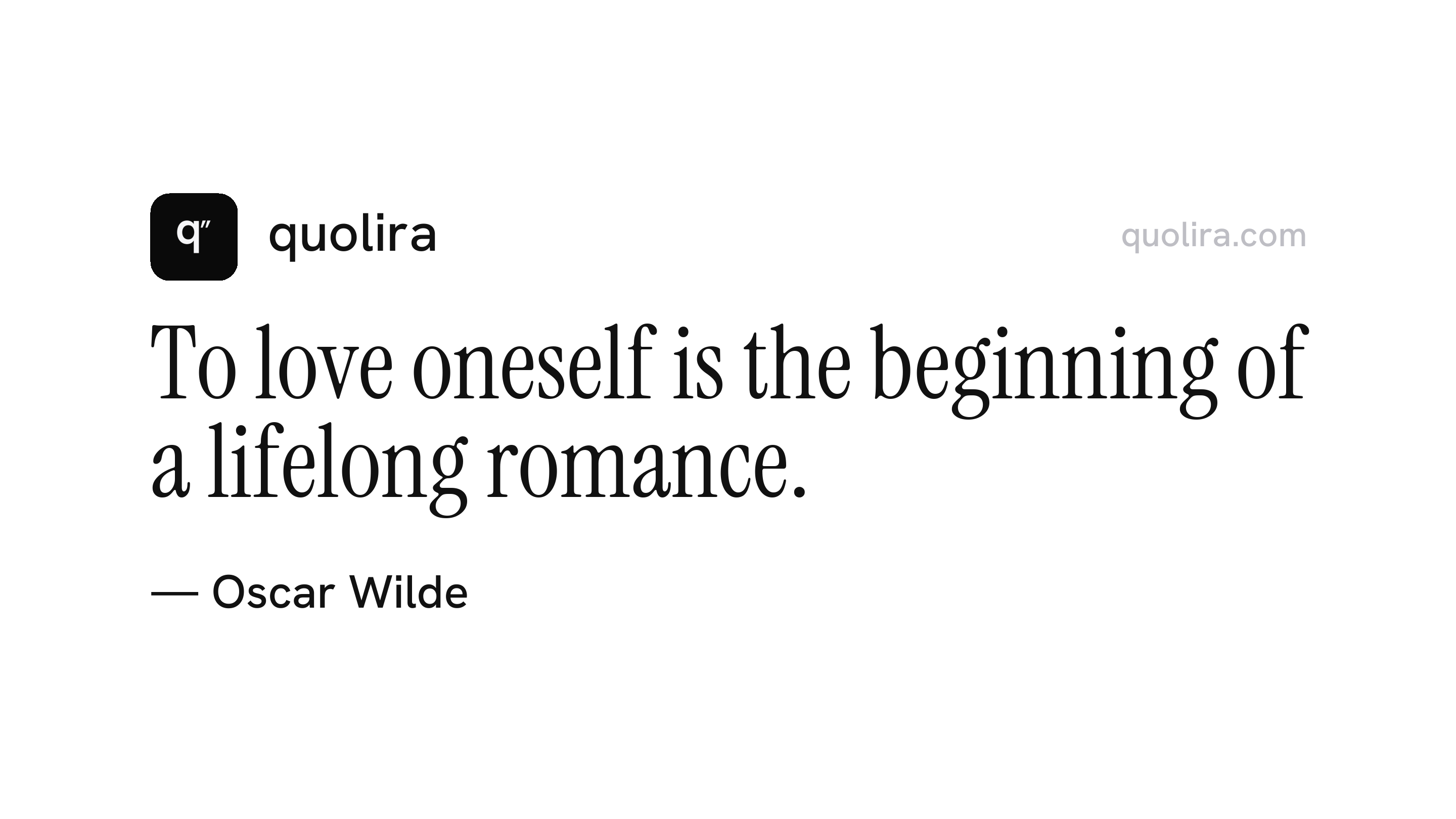
To love oneself is the beginning of a lifelong romance.
Oscar Wilde An Ideal Husband, 1895
Said by Lord Goring with a smile. Wilde was ahead of his time in treating self-regard as a foundation rather than a flaw, even if the sentiment arrived wrapped in irony.
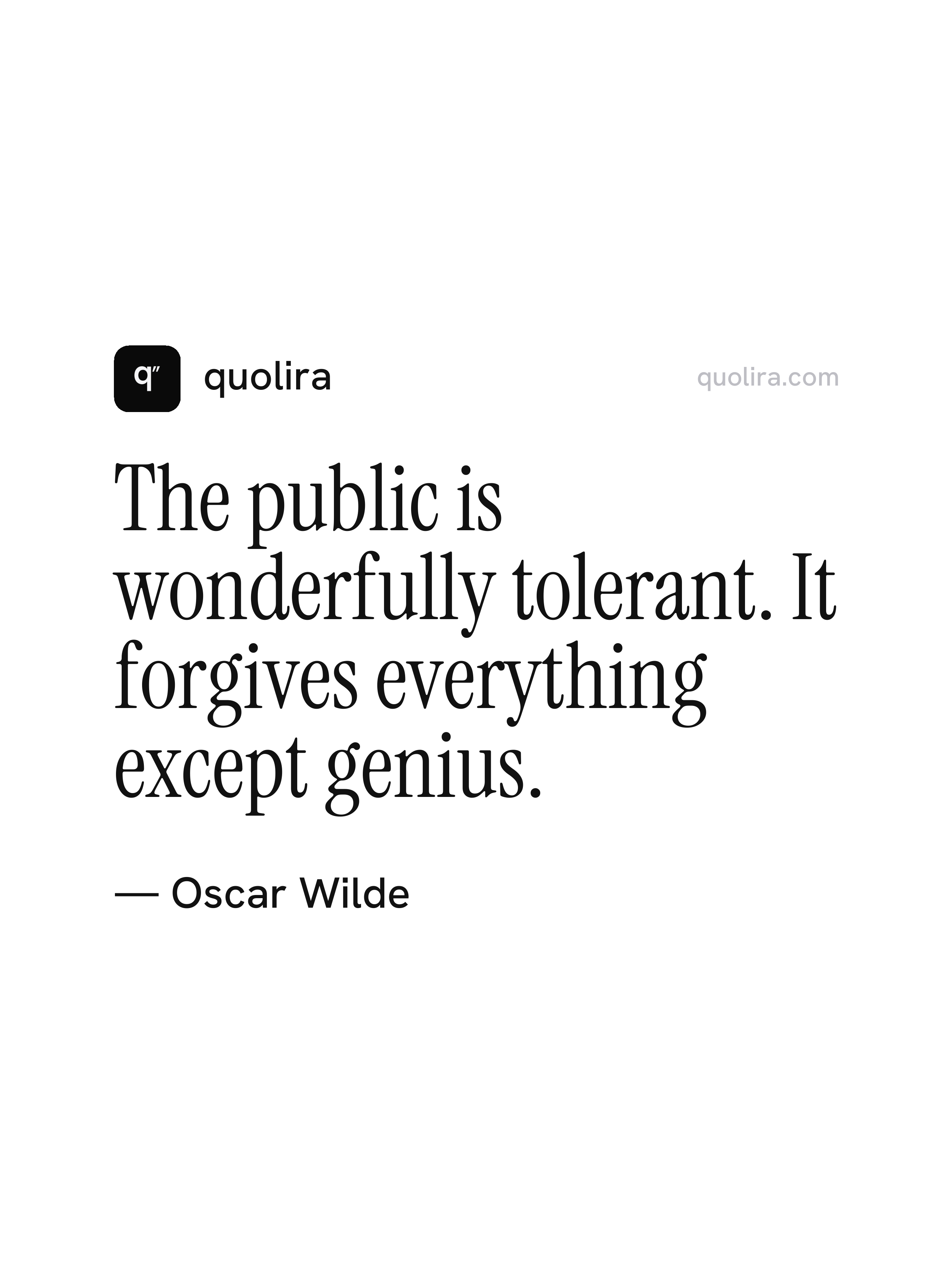
The public is wonderfully tolerant. It forgives everything except genius.
Wilde desired recognition and received it in abundance, then had it taken away. This line was written before the fall but reads differently after it.
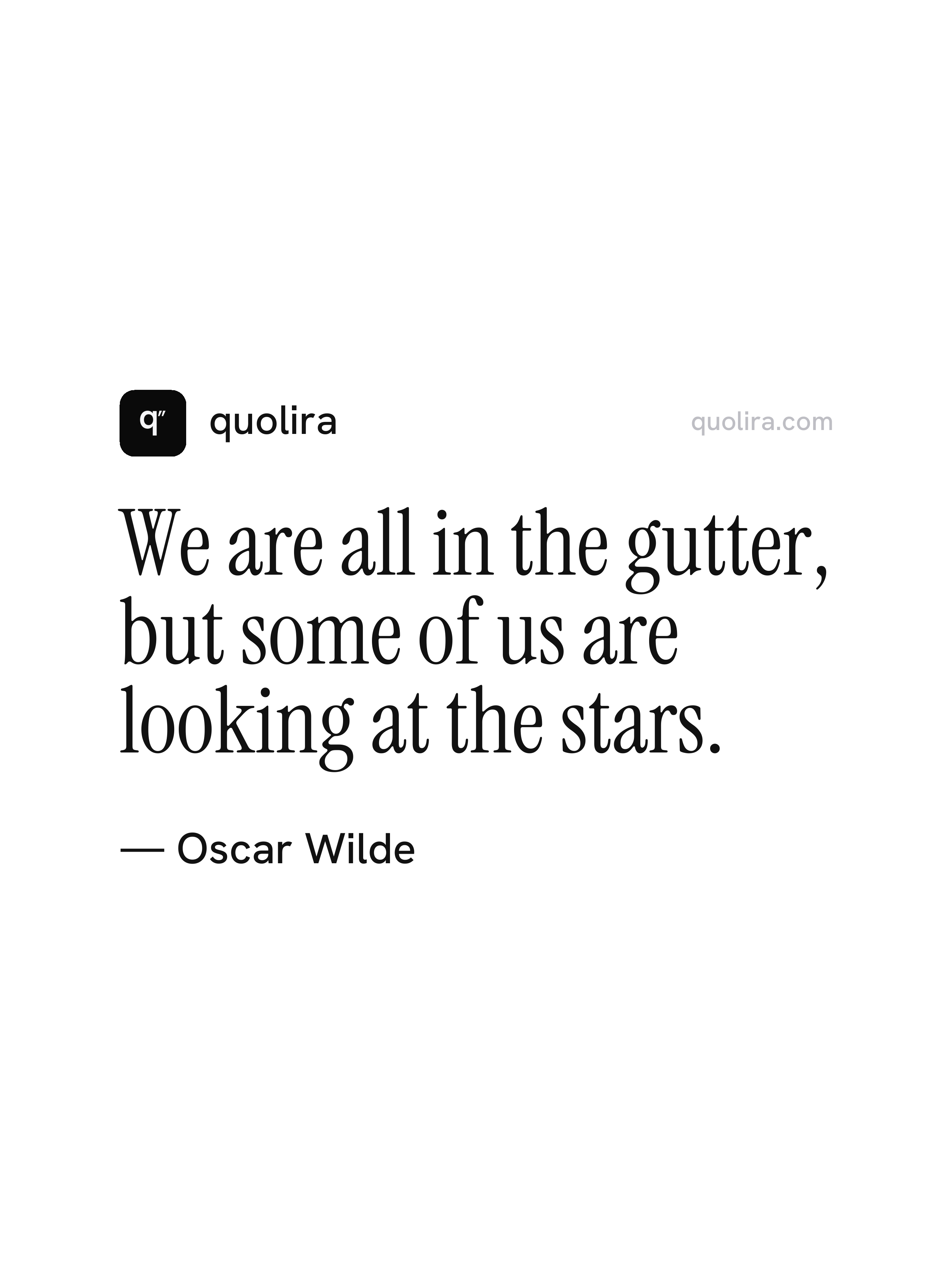
We are all in the gutter, but some of us are looking at the stars.
Oscar Wilde Lady Windermere's Fan, 1892
Lord Darlington says this, and it might be the most generous thing Wilde ever wrote about desire. Even from the worst position, the wanting itself is something. That is not nothing.
Wilde spent his life proving that desire, honestly named, is more dignified than desire politely denied. That argument is still worth making.
Frequently asked questions
What is Oscar Wilde's most famous quote about desire?
Did Oscar Wilde write about desire in his plays as well as his novels?
Are Oscar Wilde quotes about desire still relevant today?
Where can I read more Oscar Wilde in context?
Keep reading

21 Lord Voldemort Best Harry Potter Quotes That Still Chill You
The most memorable lines from the Dark Lord, weighed for what they reveal about fear, power, and the man behind the mask.

14 Satchel Paige Quotes on Aging, Motion, and Not Looking Back
The pitcher who kept throwing into his fifties left behind lines about time that still land.




16 Alice in Wonderland Quotes That Still Make You Stop and Think
The strange logic of Wonderland has a way of feeling truer than the real world.
Lord Henry says this early in the novel and it frames everything that follows. Wilde meant it as diagnosis, not advice, though generations of readers have cheerfully used it as both.