15 Robert Frost Quotes on Mothers, Sons, and the Ties That Hold
Frost wrote about roads and fences, but his sharpest lines cut straight to the people we love most.
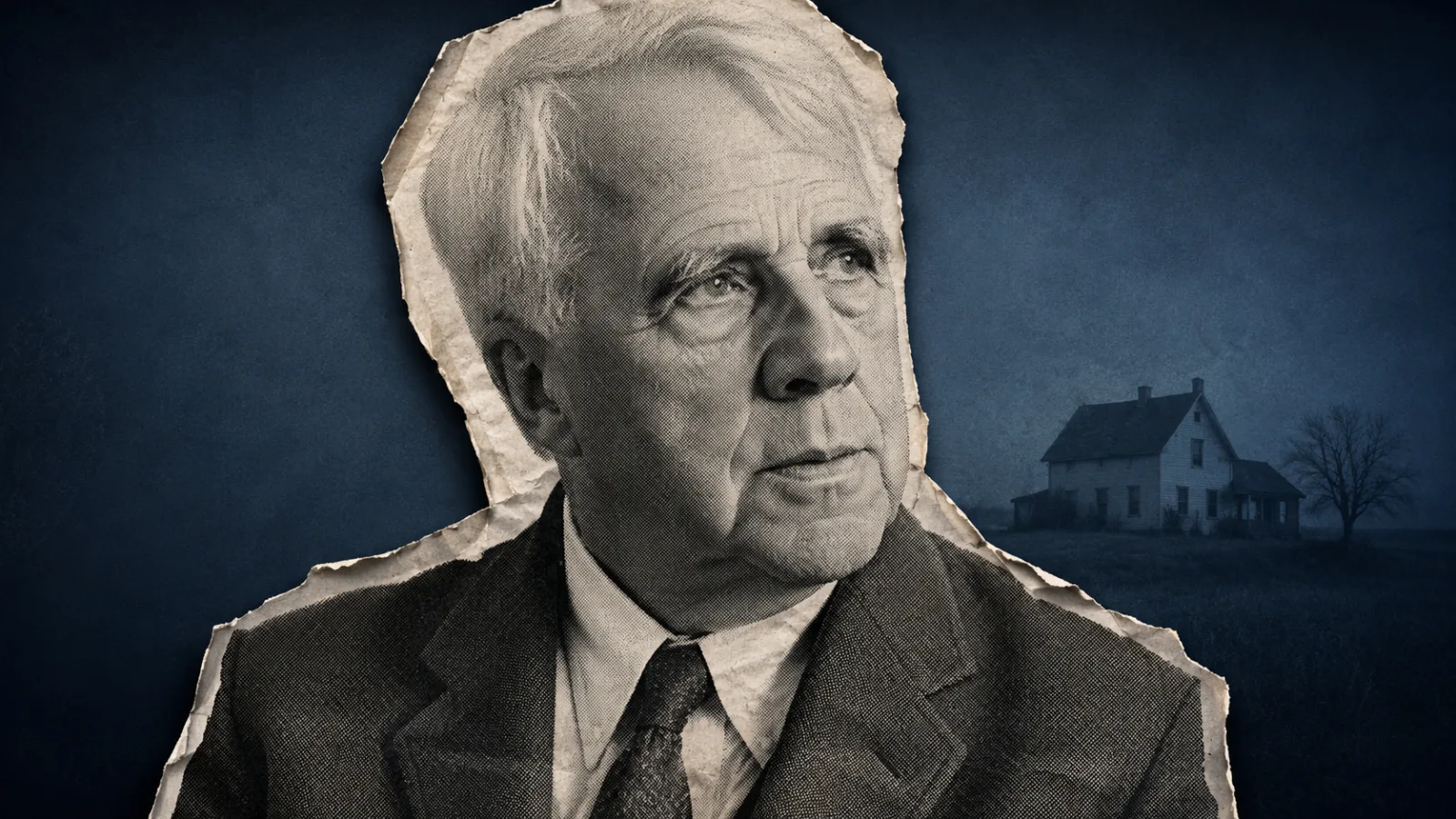
The Robert Frost mother son quote tradition runs deeper than most readers realize. Frost lost his father at 11, raised a family through grief and poverty, and buried a son. His poems about home, work, and love between parents and children carry that weight without announcing it. These 15 lines show a poet who understood family bonds and parental love from the inside, not the outside.
Home is the place where, when you have to go there, they have to take you in.
I am not a teacher, but an awakener.
Frost said this about his own role, but every parent who has watched a child suddenly understand something will recognize the feeling. Teaching hands over information; awakening hands over curiosity.
Something there is that doesn't love a wall.
Robert Frost Mending Wall, 1914
The famous opening of 'Mending Wall' is about neighbors, but it's also about every instinct in a parent that refuses to keep distance from their child. Some bonds resist every boundary we try to build.
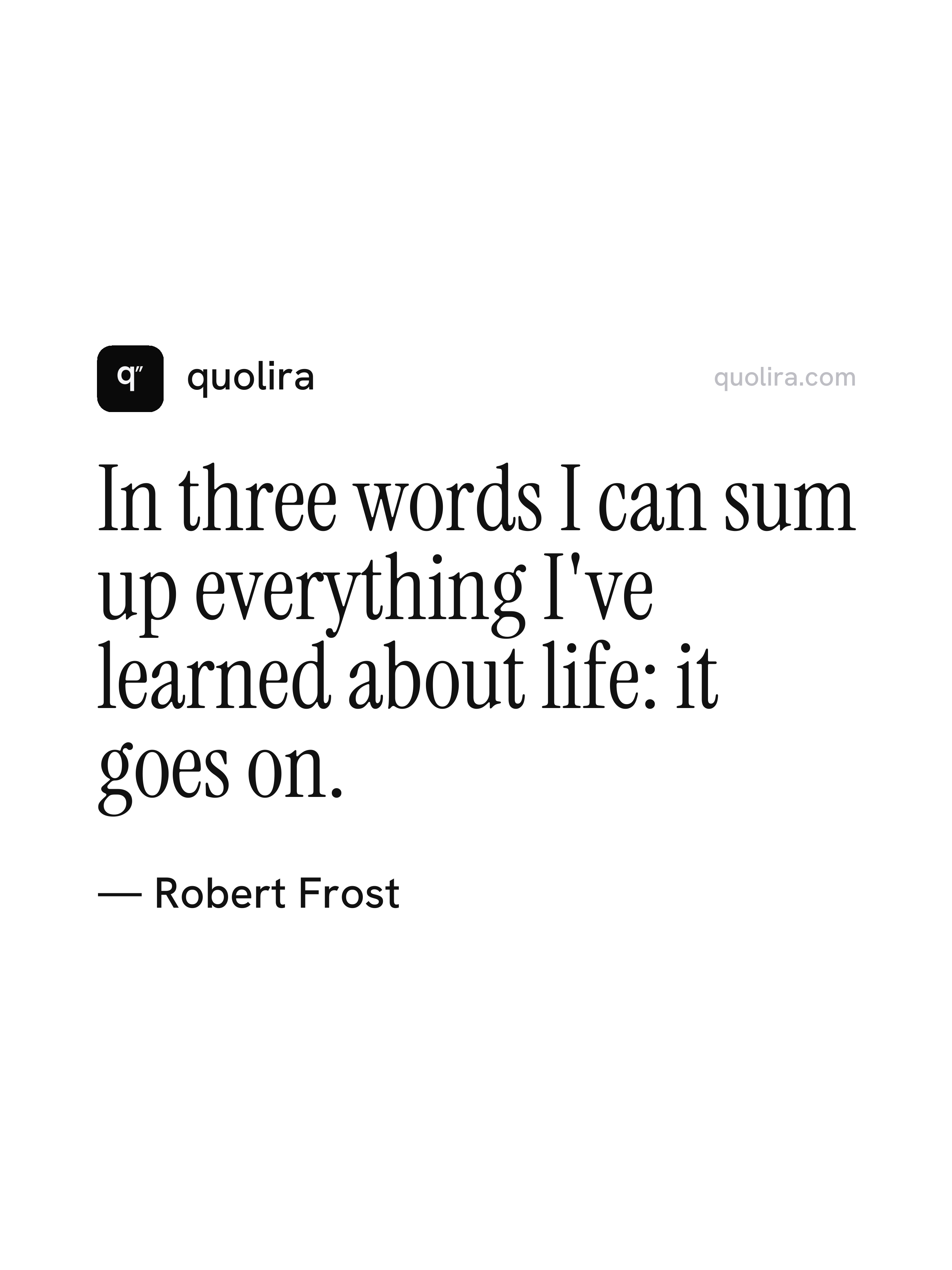
In three words I can sum up everything I've learned about life: it goes on.
Frost buried a son, a daughter, and a wife. This line is not a platitude from someone who avoided pain. It's a short sentence earned over a very long grief.
The Poetry of Robert Frost: The Collected Poems
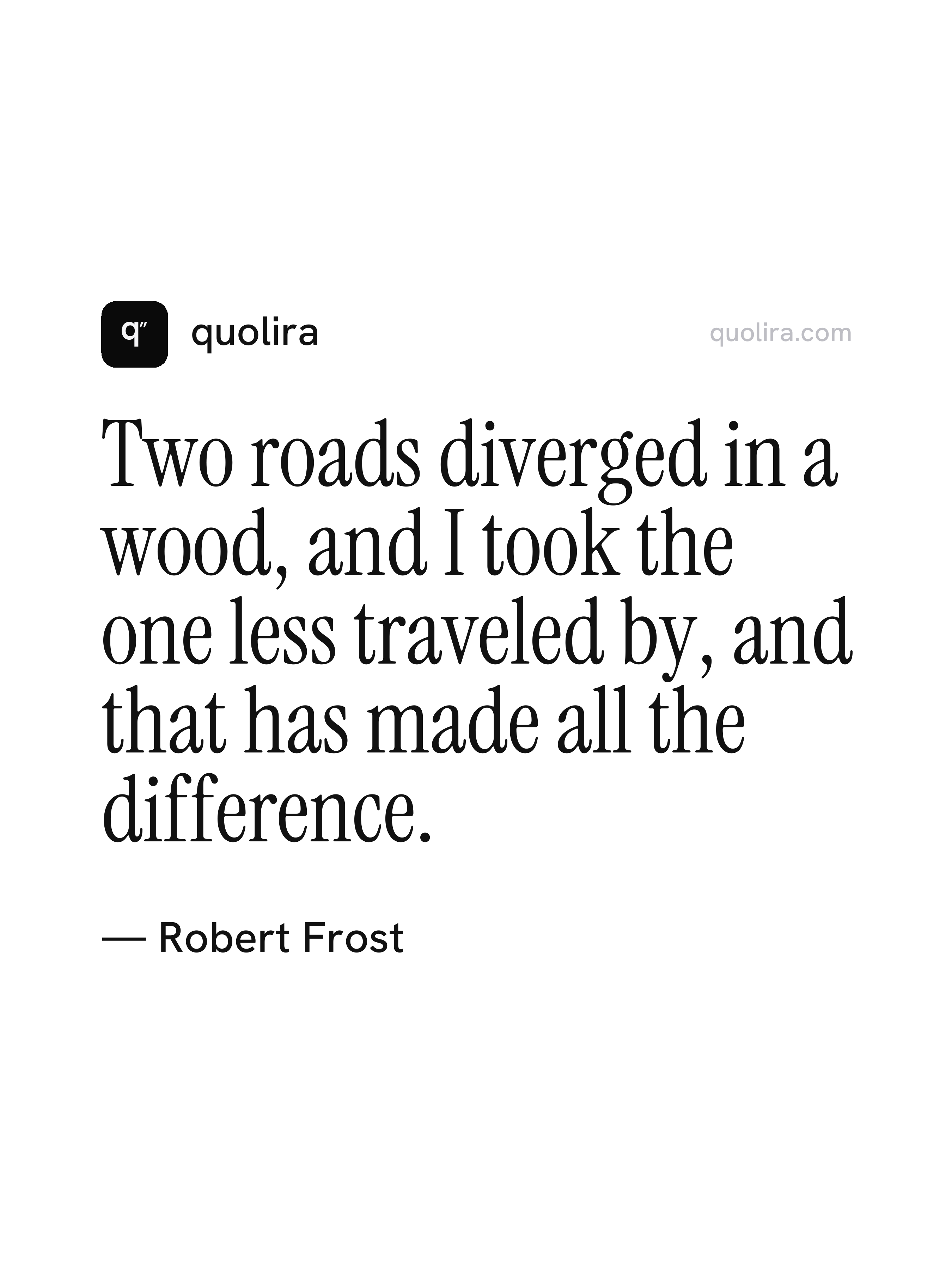
Two roads diverged in a wood, and I took the one less traveled by, and that has made all the difference.
Robert Frost The Road Not Taken, 1916
Parents quote this to children at graduations and crossroads. Frost actually wrote it as a gentle joke about indecision, but the line has taken on a life of its own as permission to choose your own path.
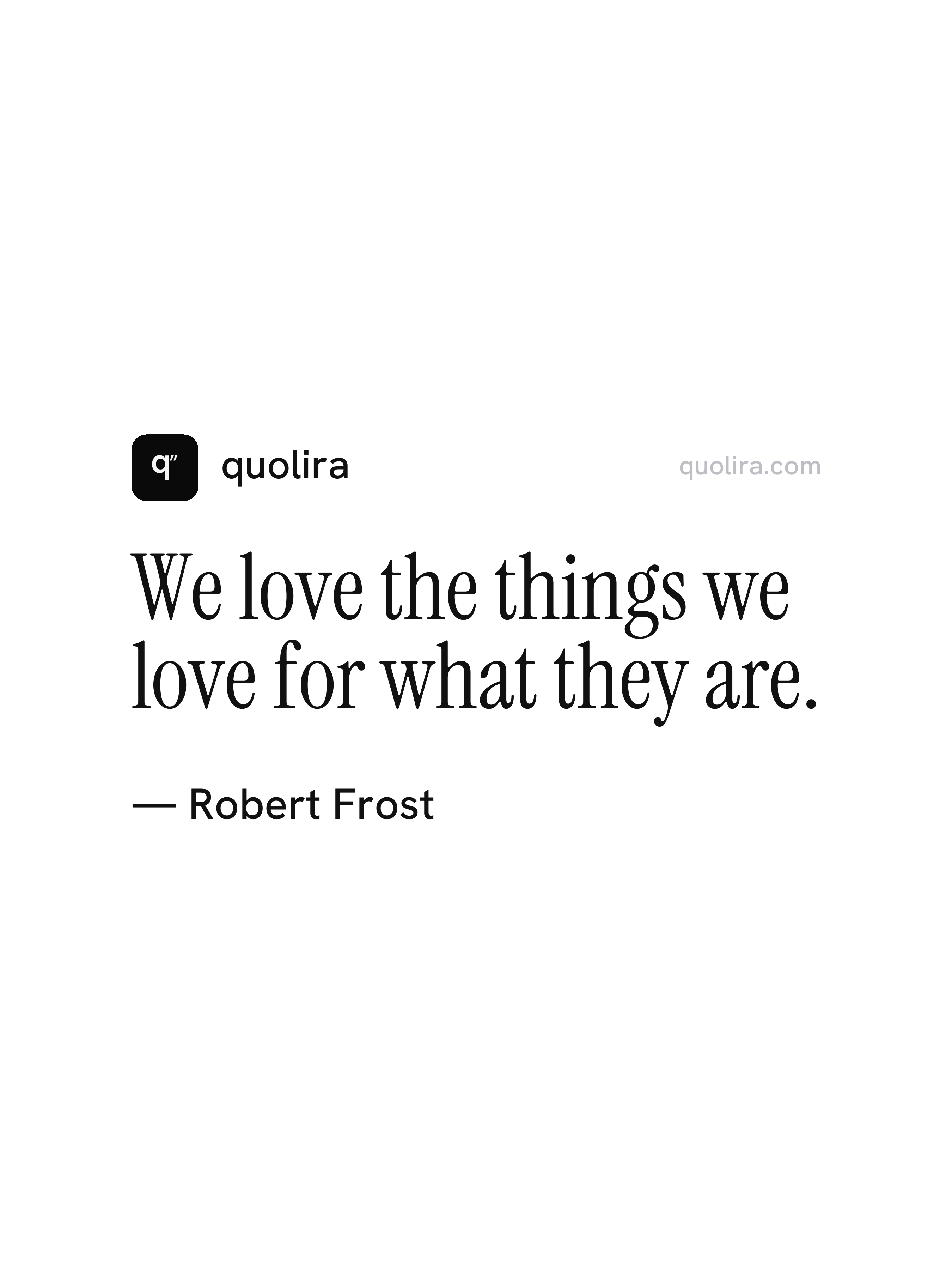
We love the things we love for what they are.
This is the whole of unconditional love in nine words. A mother doesn't love a son for what he might become; she loves him for what he already is.
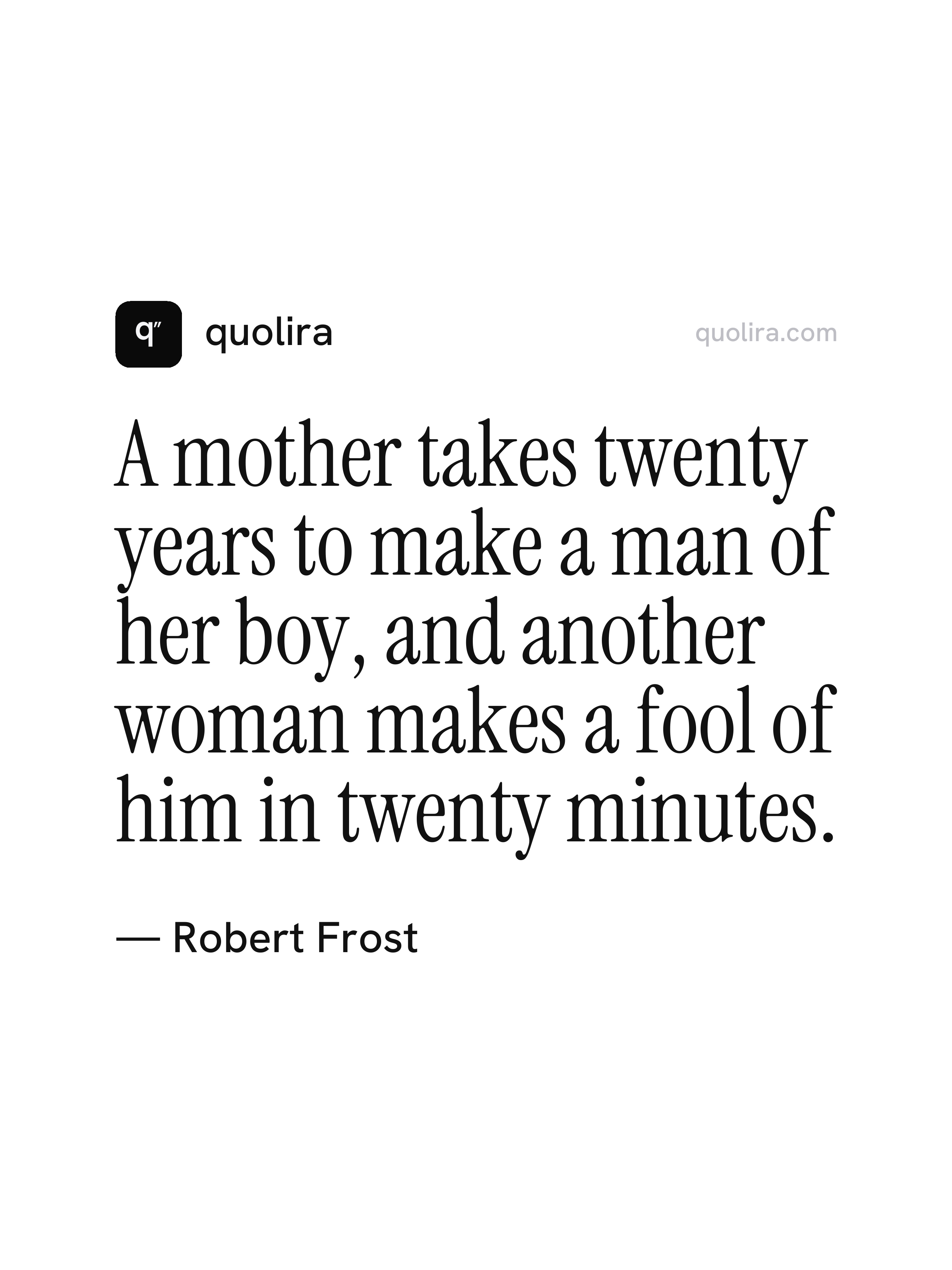
A mother takes twenty years to make a man of her boy, and another woman makes a fool of him in twenty minutes.
This one lands differently depending on whether you're the mother or the boy. Frost said it with a wry smile, but the twenty years embedded in the first half is the real point.
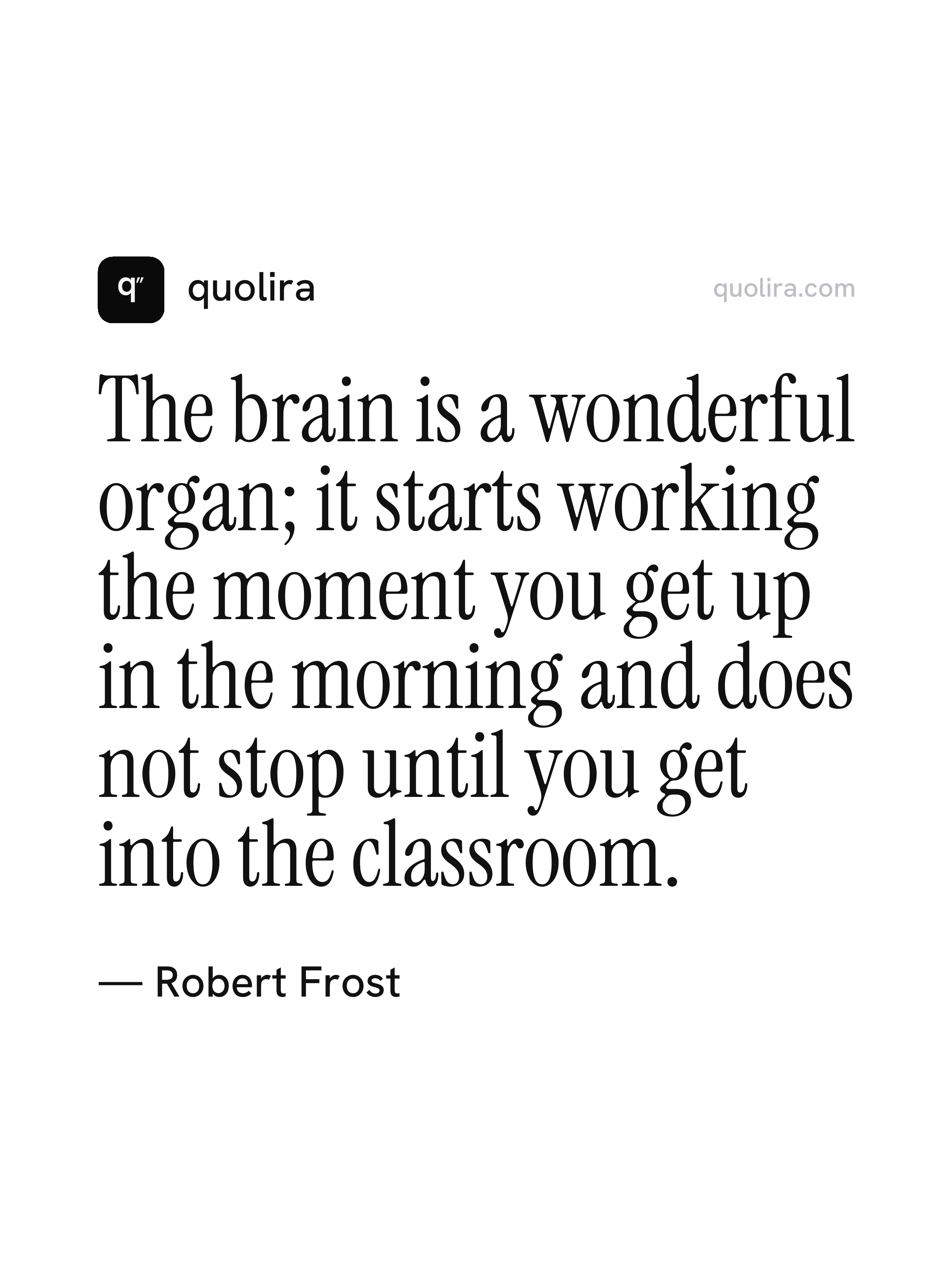
The brain is a wonderful organ; it starts working the moment you get up in the morning and does not stop until you get into the classroom.
Frost was a longtime teacher at Amherst and knew exactly how quickly a curious mind can be stilled by the wrong environment. Any parent who has watched a child lose enthusiasm for school will laugh, then wince.
Robert Frost: A Life by Jay Parini
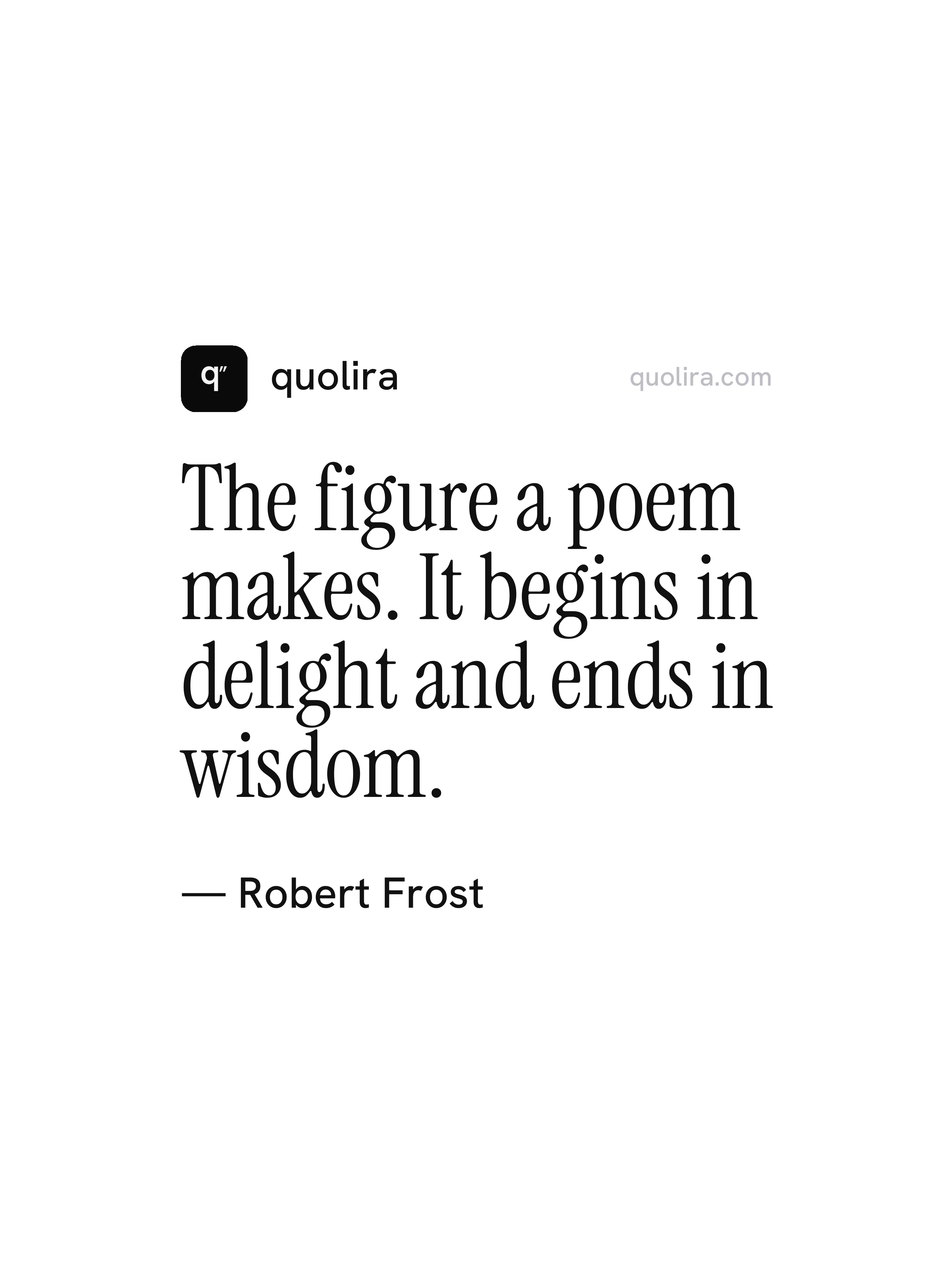
The figure a poem makes. It begins in delight and ends in wisdom.
Robert Frost The Figure a Poem Makes, 1939
Frost wrote this about poetry, but it maps onto childhood with unsettling accuracy. A child starts in delight and, if the adults around them do their job, ends in something like wisdom.
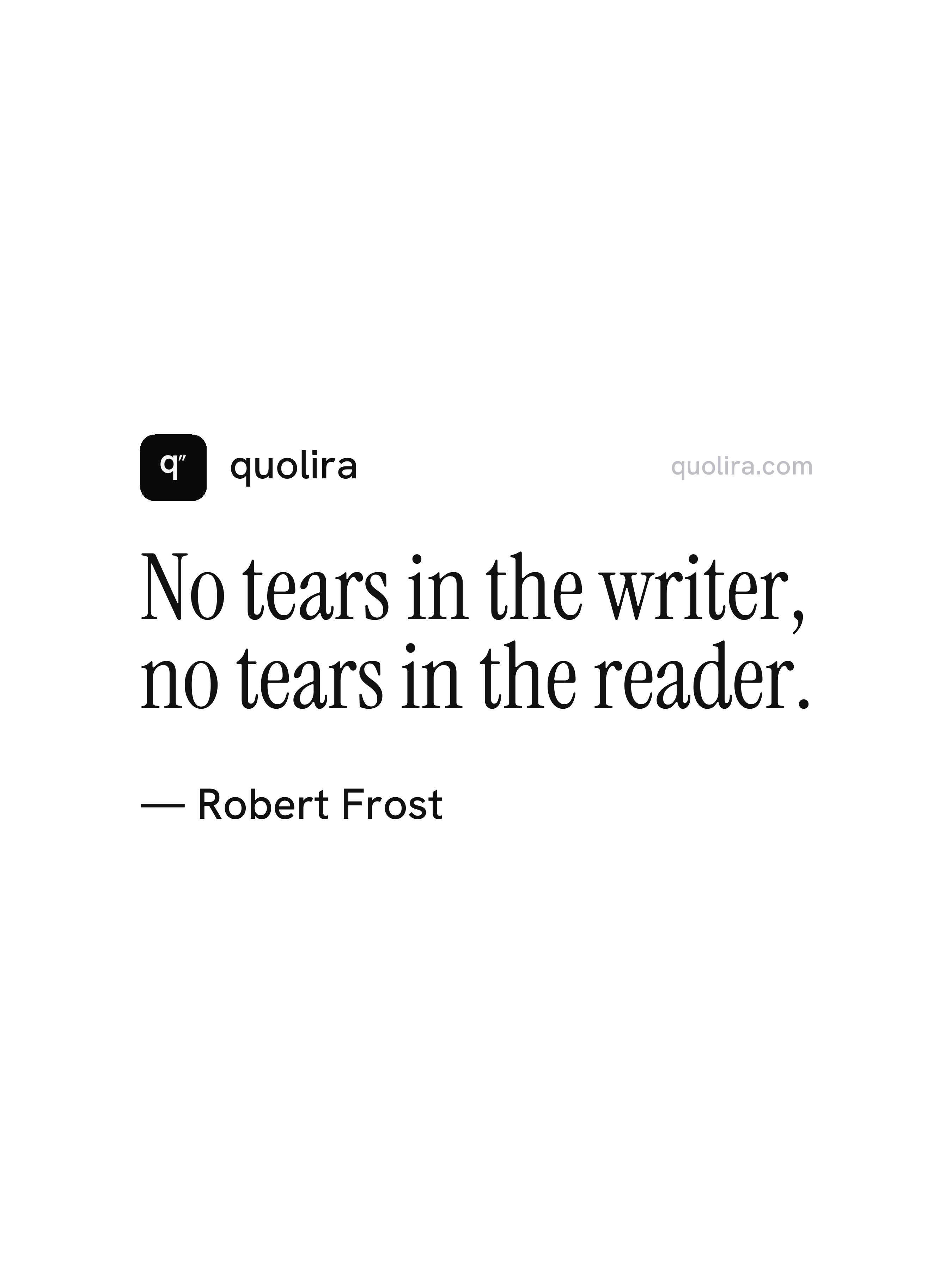
No tears in the writer, no tears in the reader.
Robert Frost The Figure a Poem Makes, 1939
Frost wrote this as a rule for poetry, but parents who have tried to hide their grief from their children know it applies to life too. Kids feel what you feel before you say a word.
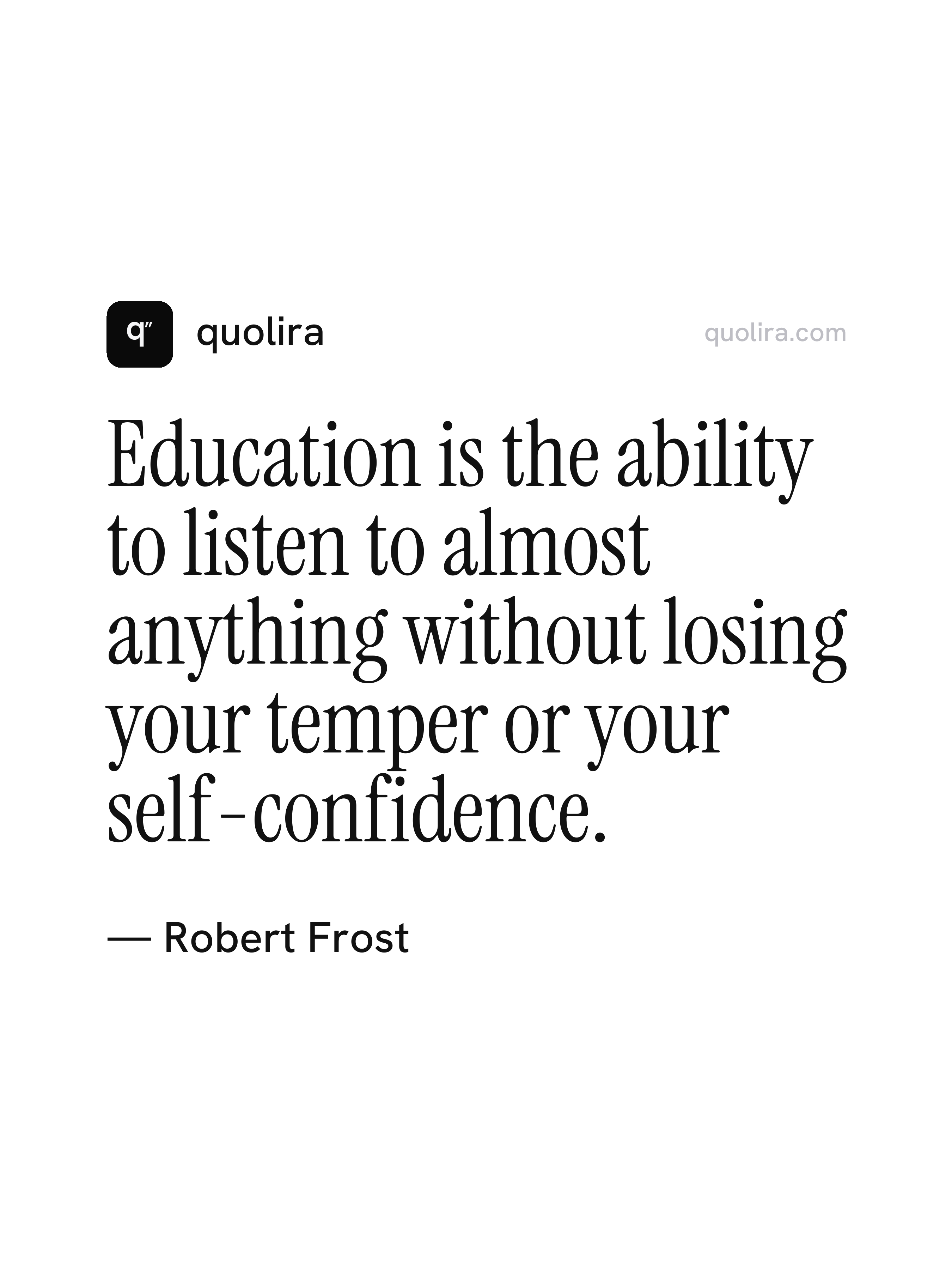
Education is the ability to listen to almost anything without losing your temper or your self-confidence.
A parent raising a teenager might frame this one and hang it on the wall. It describes exactly what a child needs both to learn and to have modeled for them.
North of Boston by Robert Frost
The best way out is always through.
Robert Frost A Servant to Servants, 1914
Frost gave this line to a woman describing how she copes with difficulty. Mothers have been handing this same instruction to sons for as long as there has been difficulty to cope with.
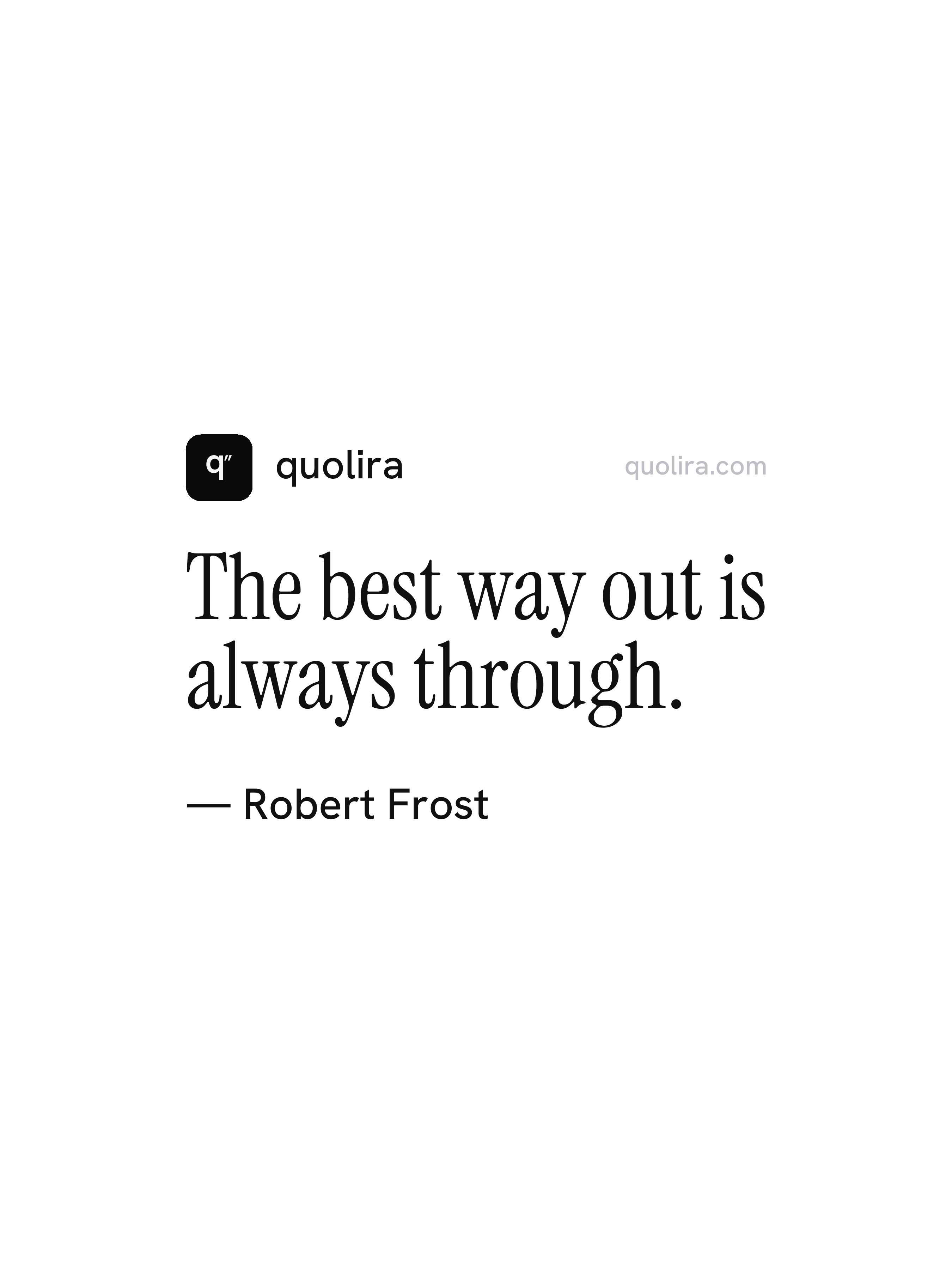
I have promises to keep, and miles to go before I sleep.
Robert Frost Stopping by Woods on a Snowy Evening, 1923
Frost repeated this couplet twice in the poem, which is almost never an accident. It reads like a parent reminding themselves why they keep going when everything is quiet and the temptation to stop is real.
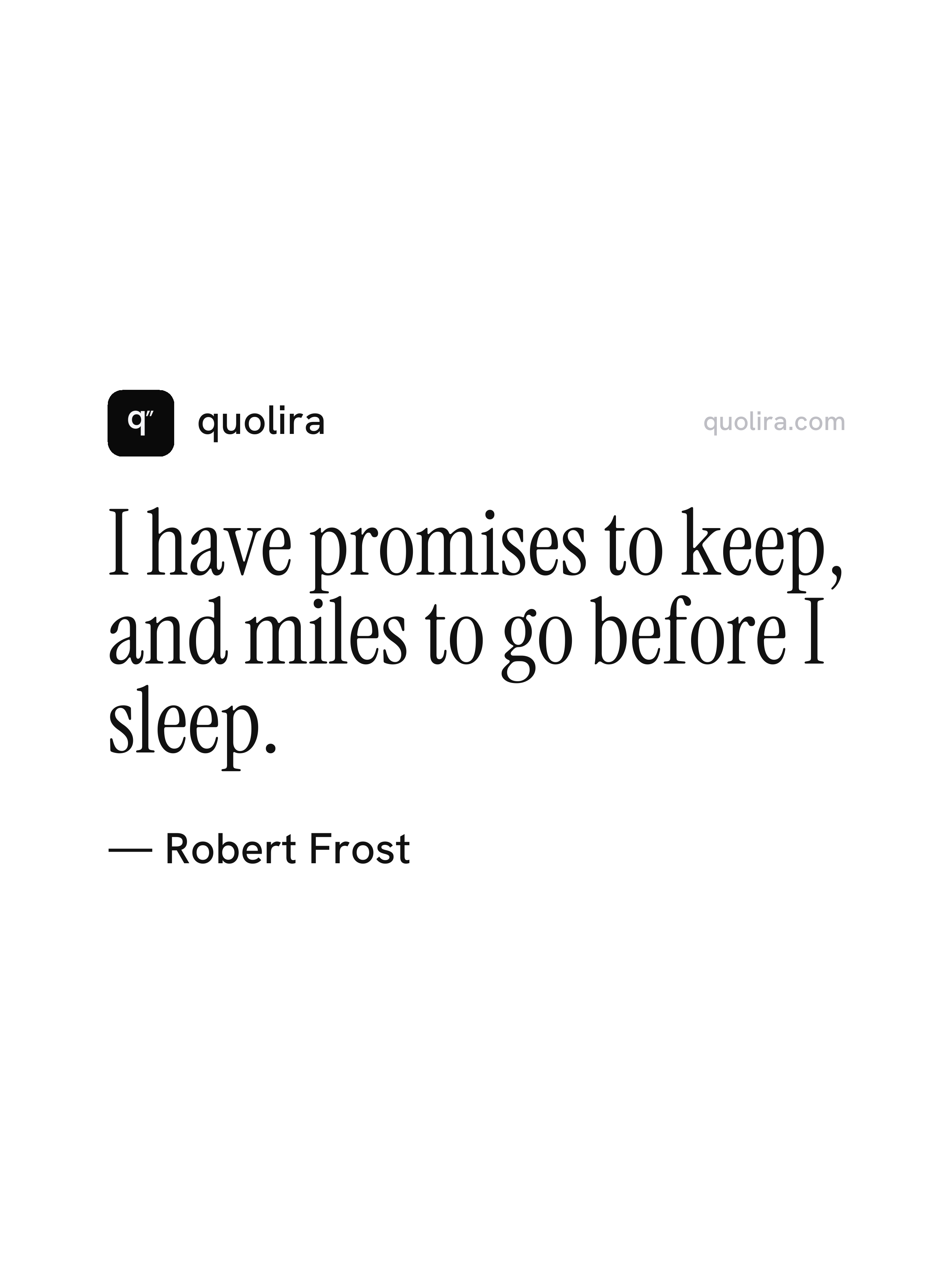
A poem begins as a lump in the throat, a sense of wrong, a homesickness, a lovesickness.
Robert Frost Letter to Louis Untermeyer, 1916
Frost told his friend Louis Untermeyer this in 1916. The pairing of homesickness and lovesickness is telling: for Frost, the two were almost the same feeling.
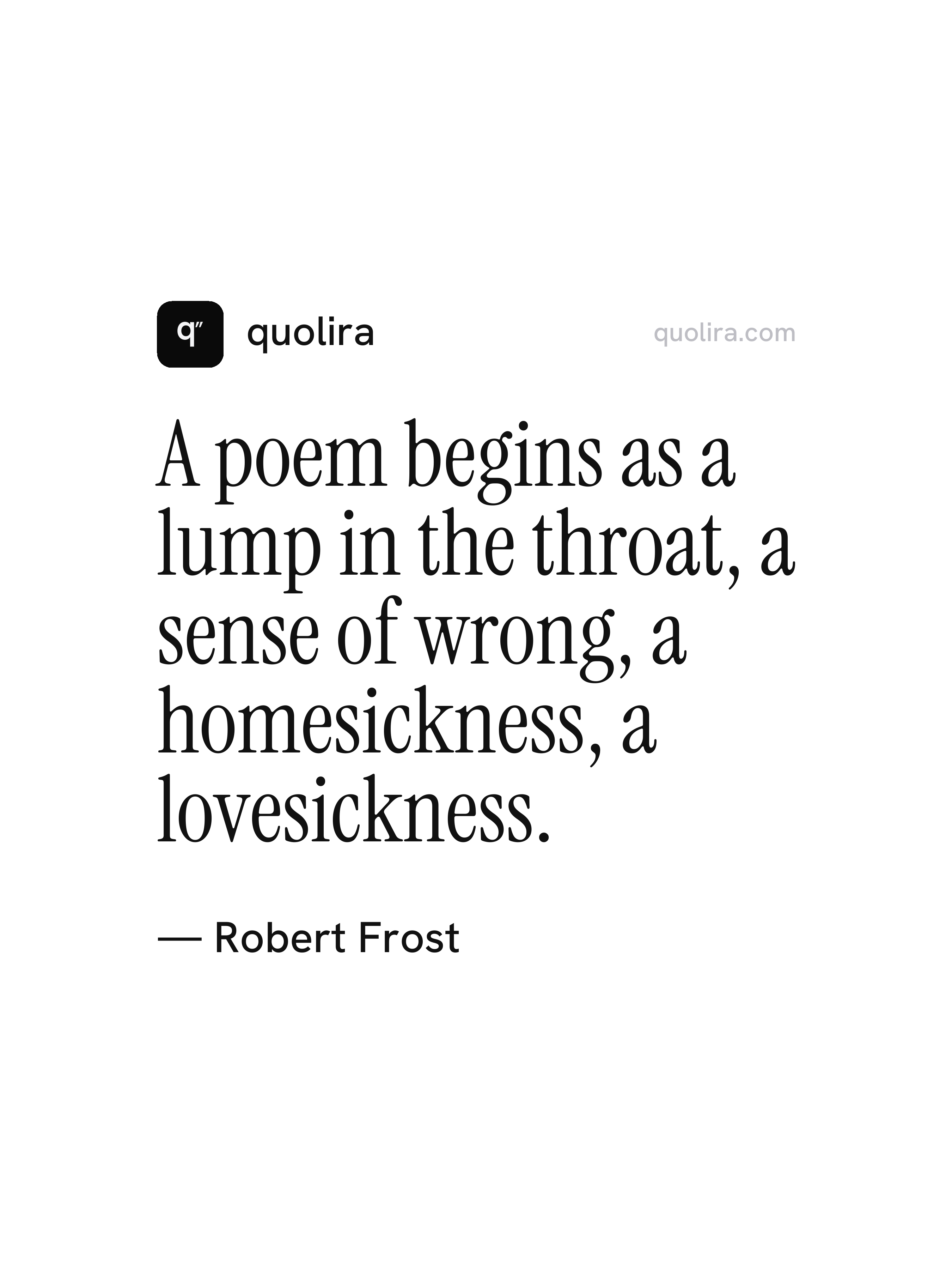
Happiness makes up in height for what it lacks in length.
Robert Frost Happiness Makes Up in Height for What It Lacks in Length, 1942
Frost titled a whole poem with this idea. Any parent who has felt a brief, intense moment of pride or joy watching their child will know he's right: some moments don't need to be long to be enough.
Frost never wrote a sentimental greeting-card. He wrote the complicated, quiet truth. That's why these lines still land.
Frequently asked questions
Did Robert Frost write any poems about mothers?
What is the most famous Robert Frost quote about home and family?
Did Robert Frost have a difficult family life?
Are Robert Frost quotes often misattributed?
Keep reading

21 Lord Voldemort Best Harry Potter Quotes That Still Chill You
The most memorable lines from the Dark Lord, weighed for what they reveal about fear, power, and the man behind the mask.

14 Satchel Paige Quotes on Aging, Motion, and Not Looking Back
The pitcher who kept throwing into his fifties left behind lines about time that still land.








16 Alice in Wonderland Quotes That Still Make You Stop and Think
The strange logic of Wonderland has a way of feeling truer than the real world.
Frost puts this line in the mouth of a farmer explaining family to his wife. It's the clearest definition of unconditional belonging in American poetry, and it says nothing about warmth or joy, only necessity.